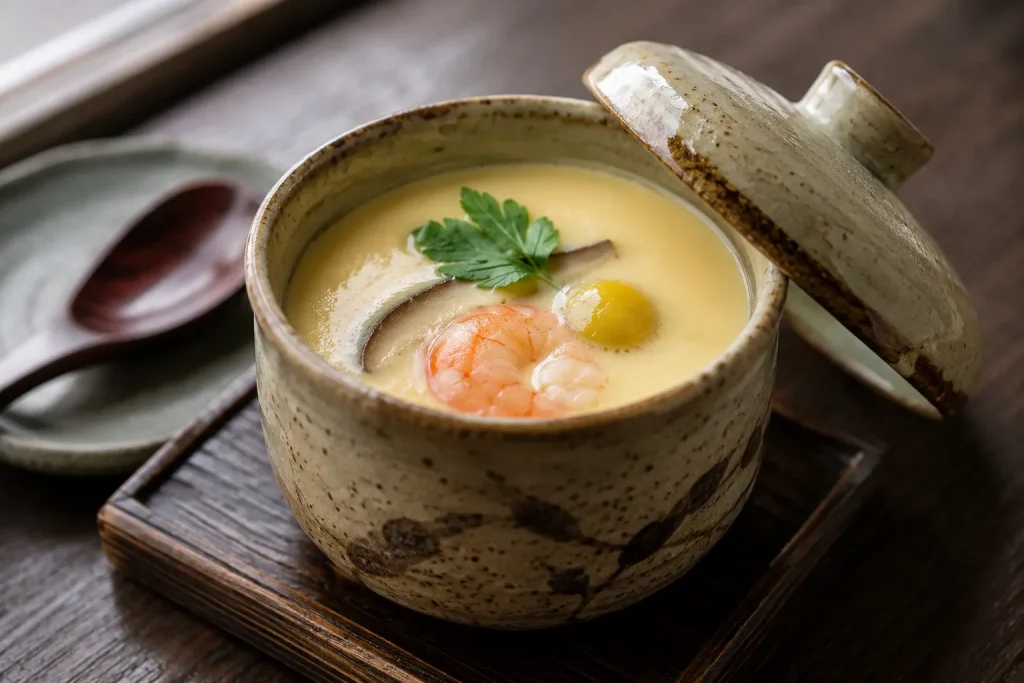
The cuisine that ranks first on this list is not the one most associated with health food marketing. It earns the top position because its everyday eating, not its signature dish, is built around vegetable density, fermentation, and portion patterns that hold up to genuine nutritional scrutiny.
That distinction matters more than most rankings admit. A cuisine can produce one extraordinary healthy dish and still feed its population a daily diet heavy in fried starch and processed fat. This ranking is not about the best salad a cuisine can produce. It is about what a typical week of eating actually looks like.
The list that follows will reorder a few assumptions. One cuisine widely marketed as a wellness trend lands lower than expected. One rarely discussed in health conversations lands near the top.
What Drove These Rankings
- Criteria: Ingredient quality and vegetable density in everyday meals, cooking methods (fermentation, steaming, light oil use versus heavy frying), nutritional balance across a typical day rather than one dish, and population-level health correlations used only where genuinely supported by research.
- Biggest surprise at the top: The cuisine at number one is rarely the first answer people give when asked to name a “healthy cuisine.”
- Biggest surprise lower down: A cuisine frequently marketed in the West as inherently healthy ranks in the middle once restaurant adaptation is separated from everyday home cooking.
- What this ranking is not: A ranking of diet trends, superfoods, or restaurant menus. It is built on how people in these food cultures actually eat day to day.
- Who should read this: Anyone trying to eat better by learning from food cultures that have done it consistently, not from a single viral ingredient.
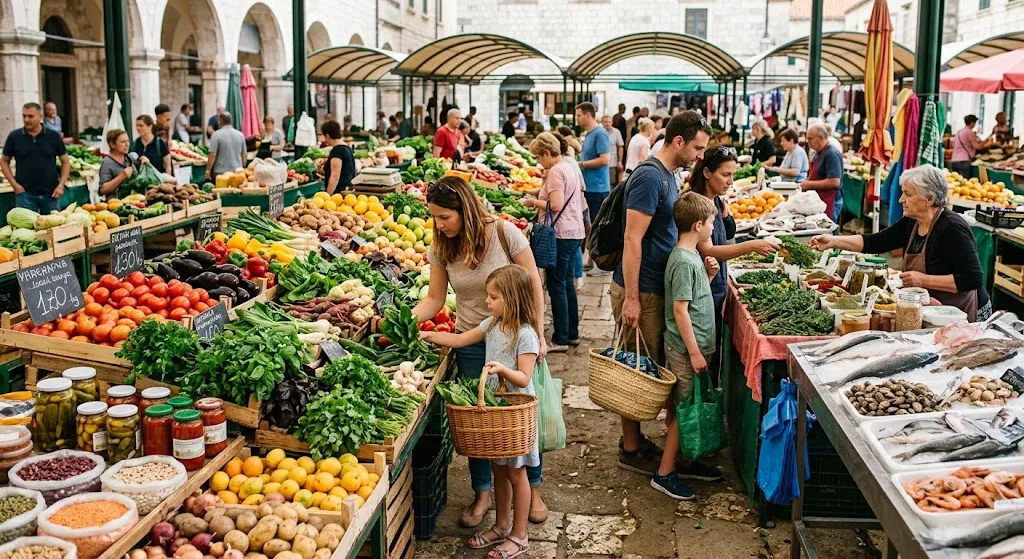
How We Defined “Healthy” Before Ranking Cuisines That Claim to Be
Most healthiest-cuisine rankings make the same mistake: they reward whichever cuisine has the best-known healthy dish in Western media, regardless of what the rest of that cuisine’s everyday eating looks like. That produces rankings built on marketing, not nutrition.
This ranking weighs four factors.
Everyday composition carries the most weight. What does a typical home-cooked meal in this cuisine actually contain, in terms of vegetable density, protein source, and starch-to-vegetable ratio, on an ordinary Tuesday, not at a restaurant or for a special occasion.
Cooking method is second. Fermentation, steaming, raw preparation, and light oil use are weighted favorably. Heavy deep-frying and processed-fat-based cooking, even when the underlying ingredients are nutritious, pull a cuisine down.
Nutritional balance across the day matters more than any single dish. A cuisine with one celebrated healthy dish surrounded by heavy, processed everyday eating ranks lower than one that is moderately healthy across every meal.
Population health correlation is used carefully and only where genuinely supported. Longevity research from specific regions is referenced where the connection between diet and outcome is well documented, not assumed.
One honest limitation: every cuisine on this list contains both healthy and unhealthy regional and modern variations. This ranking reflects traditional, everyday eating patterns, not how that cuisine has been adapted for international fast-casual restaurants.
The position most likely to surprise readers: Mediterranean cuisine does not take the top spot. Here is why, and the reasoning holds up.
The Ranked List
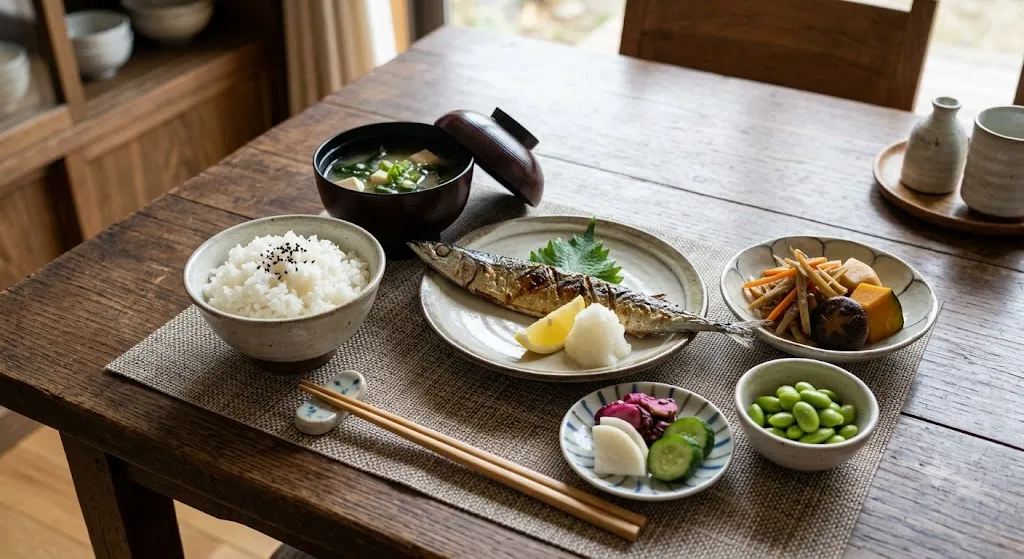
1. Japanese Cuisine — The One That Made Healthy Eating Look Effortless
Japanese cuisine ranks first because its everyday structure, not a single dish, is built around vegetable variety, fish, fermented foods, and portion control that requires no conscious dieting to maintain.
A traditional Japanese meal follows ichiju-sansai, one soup and three dishes, a structural principle that naturally limits portion size while maximizing variety. Miso soup delivers fermented soy. A small portion of fish provides protein and omega-3 fats. Rice is present but rarely dominant. A rotation of pickled and lightly cooked vegetables fills out the rest. This is not a diet plan. It is the default way meals are built, which is exactly why Japanese food is so simple and also why it works as a sustainable everyday pattern rather than a special occasion approach.
The geographic reason runs deep. Japan’s coastline made fish the primary protein for centuries, and a cultural emphasis on seasonal eating, shun, kept produce rotating rather than relying on a narrow set of staple vegetables year-round. Fermentation, central to miso, natto, and pickles, developed partly out of preservation necessity and became a defining nutritional feature.
What most people get wrong: they associate Japanese health with sushi, which in its Western adapted form is often rice-heavy and low in vegetable content. The real nutritional strength of Japanese eating sits in the home-cooked, fermentation-forward daily meal, not the restaurant export. Part of what makes this work is why umami is so important in Japanese cooking, since deep savory flavor from fermented and simmered ingredients reduces the need for added fat and sugar to make food satisfying.
The verdict: no other cuisine on this list combines portion discipline, vegetable variety, and fermentation as consistently across ordinary daily eating.
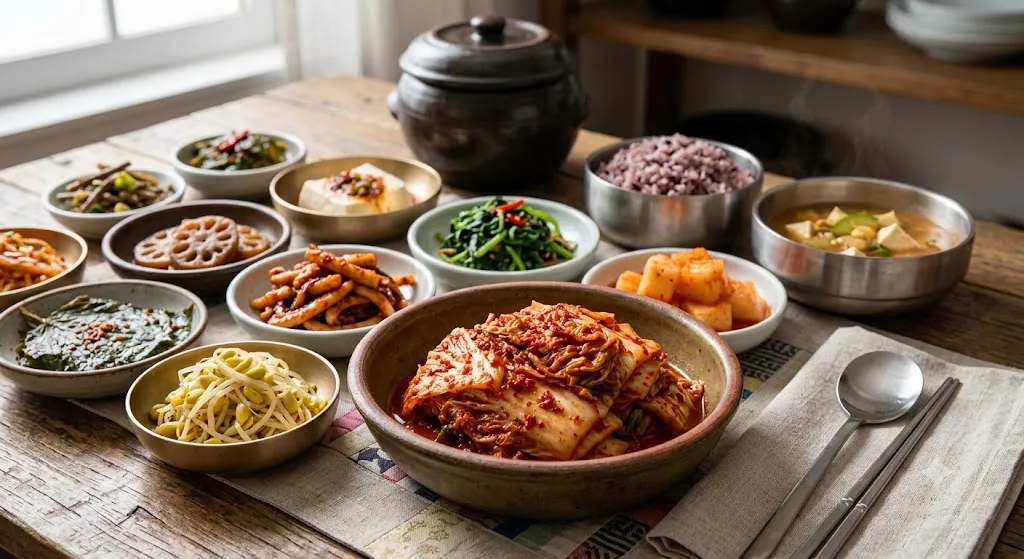
2. South Korean Cuisine — Fermentation as a Daily Habit, Not a Trend
South Korean cuisine ranks second because fermented vegetables are not a side dish here. They are present at nearly every meal, in genuine quantity, delivering probiotic and nutrient density that few other cuisines match at this frequency.
Kimchi alone is eaten daily by most Korean households and delivers fiber, vitamin C, and live fermentation cultures in a single, unglamorous side dish that accompanies breakfast, lunch, and dinner alike. Beyond kimchi, doenjang, gochujang, and a wide range of fermented vegetable banchan appear meal after meal, which is part of why Korean food is so flavorful without depending heavily on added fat or sugar for satisfaction.
The structure of a Korean meal reinforces this. A full table typically includes rice, soup, a protein, and multiple small vegetable side dishes, producing a naturally high vegetable-to-starch ratio without any conscious health framing.
What most people get wrong: they assume Korean food is primarily the fried chicken and barbecue popularized internationally. Everyday home cooking is dominated by soups, stews, and the fermented side dish rotation, a far more vegetable-forward pattern than the export version suggests.
The verdict: the most consistent fermentation-based nutrition of any cuisine on this list, applied at a daily frequency that produces real population-level benefit.
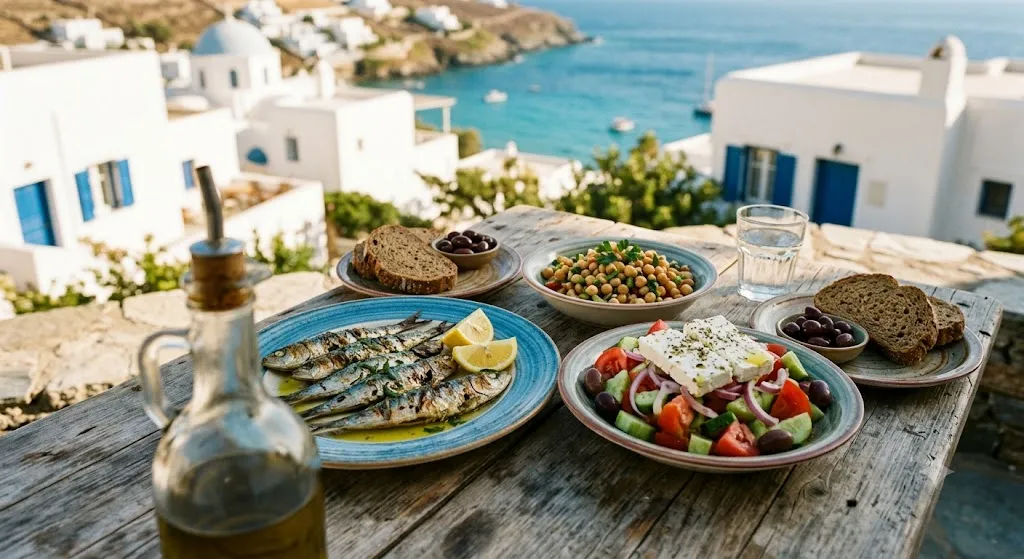
3. Mediterranean Cuisine (Greece and Southern Italy) — The Research Backs It, With One Caveat
Mediterranean cuisine ranks third, not first, because while the research support behind it is genuinely strong, modern restaurant and packaged-food adaptations have diluted what the traditional pattern actually looked like.
The traditional Mediterranean diet, studied extensively in longevity research including work tied to Blue Zone regions like Ikaria, Greece, centers on olive oil, legumes, vegetables, and modest portions of fish and meat, with bread as a whole-grain staple rather than a refined one. This pattern has decades of nutritional research behind it connecting it to lower rates of cardiovascular disease.
The caveat that keeps it from ranking first: the Mediterranean label has been stretched to cover everything from authentic village cooking to pasta-heavy restaurant menus loaded with refined carbohydrates and cheese, which bear little resemblance to the traditional pattern the research actually studied.
What most people get wrong: they assume “Mediterranean” automatically means healthy, regardless of preparation. A plate of creamy pasta at an Italian-American restaurant is not the diet that produced the longevity data. The traditional, vegetable-and-legume-forward, olive-oil-based everyday cooking is.
The verdict: the strongest research backing of any cuisine on this list, ranking third because the gap between traditional practice and modern interpretation is real and significant.
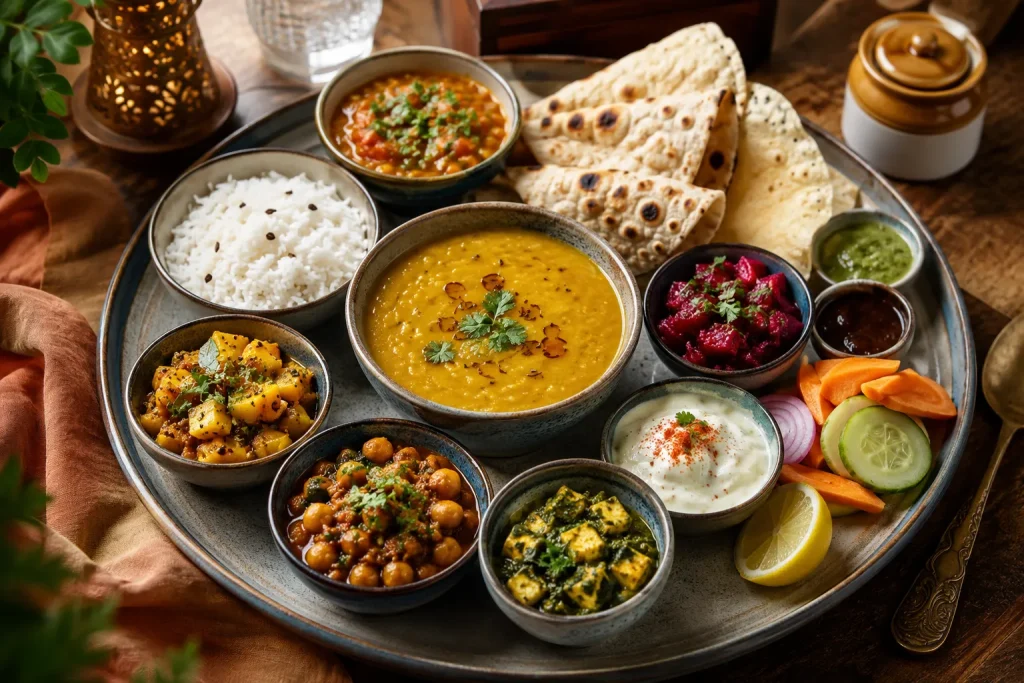
4. Indian Cuisine — The Home Cooking Tells a Different Story Than the Restaurant Menu
Indian cuisine ranking fourth will surprise people who think primarily of cream-heavy restaurant dishes like butter chicken. The home cooking tells a different story: turmeric, legumes, fermentation, and vegetable density that most Western diets cannot match.
A typical Indian household meal centers on dal, a lentil preparation eaten almost daily, alongside vegetable sabzi, a portion of rice or whole-grain roti, and a small amount of yogurt, producing a legume-and-vegetable-forward pattern with significant fiber and plant protein. This is part of why Indian food tastes so complex without relying on the cream and butter common in restaurant adaptations abroad.
Fermentation appears here too, in idli and dosa batters left to ferment overnight, and in yogurt-based preparations eaten with most meals. Turmeric, used in nearly every savory dish, carries curcumin, a compound studied for anti-inflammatory properties.
What most people get wrong: international Indian restaurants, particularly in the West, skew heavily toward cream-based curries and fried items that represent a small fraction of everyday Indian eating. The surprising journey of curry across the world explains how dramatically the dish changed as it traveled, often becoming richer and heavier than its origins.
The verdict: extraordinary everyday nutritional depth once the restaurant version is separated from the home-cooked reality, with legume and fermentation frequency that few cuisines match.
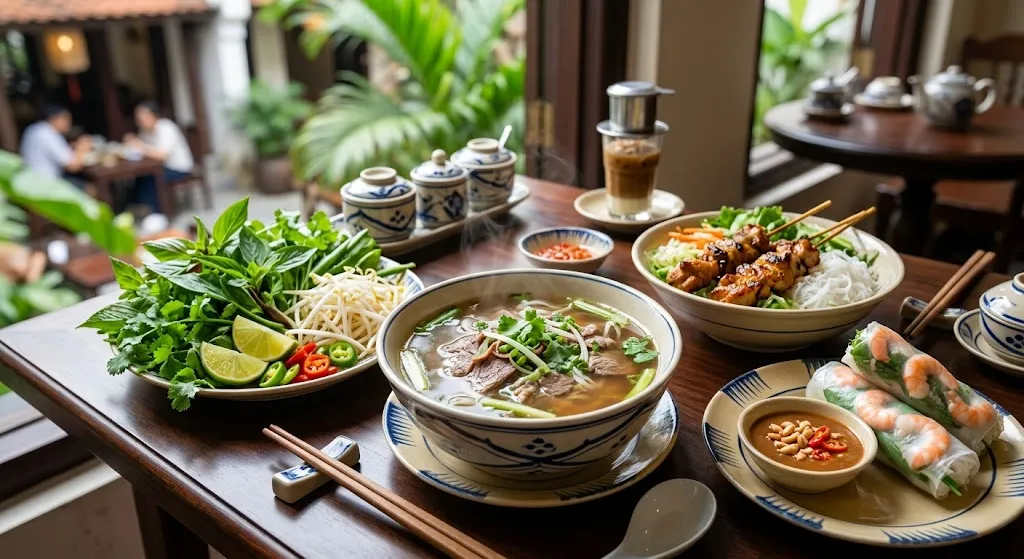
5. Vietnamese Cuisine — Freshness as the Operating Principle
Vietnamese cuisine ranks fifth because its defining characteristic, an emphasis on fresh herbs, raw vegetables, and light broths over heavy sauces and frying, produces consistently lower-calorie, higher-nutrient everyday meals.
A bowl of pho or a plate of bun cha arrives with a generous pile of raw herbs, bean sprouts, and lime added at the table, meaning the diner controls a significant portion of the vegetable content of the meal themselves. This is central to why Vietnamese food is so fresh, and that freshness translates directly into nutritional density that heavier, sauce-forward cuisines do not match as consistently.
Vietnamese cooking also favors broth-based and grilled preparations over fried ones for everyday meals, and fish sauce, used widely, provides flavor depth without the fat content of cream or heavy oil-based sauces.
What most people get wrong: they assume all Southeast Asian cuisine is equally light, but Vietnamese cooking specifically minimizes oil and emphasizes raw produce volume in a way that distinguishes it from heavier regional neighbors.
The verdict: the freshest produce-to-meal ratio of any cuisine ranked so far, with light broths and raw herb volume doing real nutritional work.
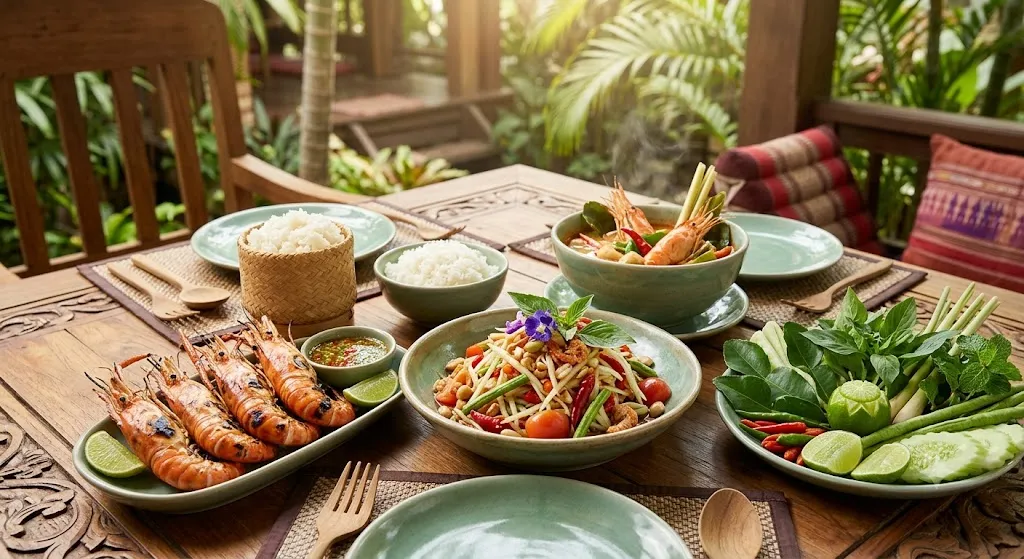
6. Thai Cuisine — Balanced, But Coconut Milk and Sugar Pull It Down Slightly
Thai cuisine ranks sixth because while it is genuinely vegetable-rich and herb-forward, the frequent use of coconut milk and added sugar in curries and sauces introduces a fat and sugar density that the cuisines above it generally avoid.
Thai cooking’s strength is its herb and vegetable volume. Lemongrass, galangal, kaffir lime, cilantro, and a wide range of fresh vegetables appear in everyday dishes in genuine quantity, contributing to why Thai food balances flavors better than almost any other cuisine on a sensory level, which also supports nutritional variety.
The limiting factor is coconut milk, which appears in many everyday Thai curries and soups and carries significant saturated fat content, combined with palm sugar used to balance the cuisine’s characteristic sweet-sour-salty-spicy profile. These are not occasional additions. They are structural to much of the cuisine’s everyday cooking.
What most people get wrong: they assume Thai food is uniformly light because of its herb-forward reputation, when many of its most popular everyday dishes carry meaningful fat and sugar content from coconut milk and palm sugar.
The verdict: exceptional vegetable and herb density undercut by structural fat and sugar content, ranking sixth as a genuinely good but not top-tier nutritional pattern.
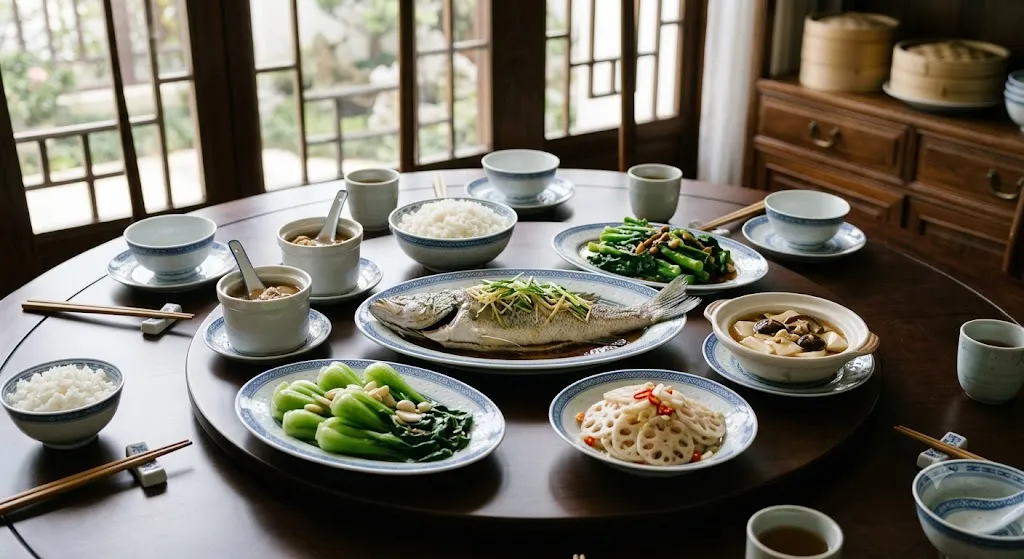
7. Chinese Cuisine — Too Vast to Rank as One, So This Reflects the Average
Chinese cuisine ranks seventh with an important caveat acknowledged directly: China’s regional cuisines vary enormously, from the lighter, steam-and-stir-fry-forward cooking of Cantonese tradition to the oil-heavy preparations common in other regions, and this ranking reflects an honest average across that range.
Cantonese cooking, with its emphasis on steaming, light stir-frying, and minimal heavy sauce use, would rank significantly higher evaluated alone. This regional variation is part of what makes the case for how China created the world’s most diverse cuisine, since no single nutritional profile captures the full country.
Everyday Chinese home cooking across most regions emphasizes vegetable stir-fries, soup, and modest meat portions over rice, a generally favorable ratio, though oil use in stir-frying is often higher than the steaming-based methods of Japanese or Korean cooking. Fermented elements, including soy sauce, doubanjiang, and pickled vegetables, add some of the same benefits seen in Korean cuisine, though at lower relative frequency.
What most people get wrong: they judge Chinese food by Western Chinese-American restaurant menus, which are heavily fried, sauce-laden, and bear limited resemblance to home cooking across most of mainland China.
The verdict: genuinely strong nutritional fundamentals dragged down by oil-heavy regional cooking styles and restaurant-adapted exports, ranking seventh as an honest average across an enormous and varied food culture.
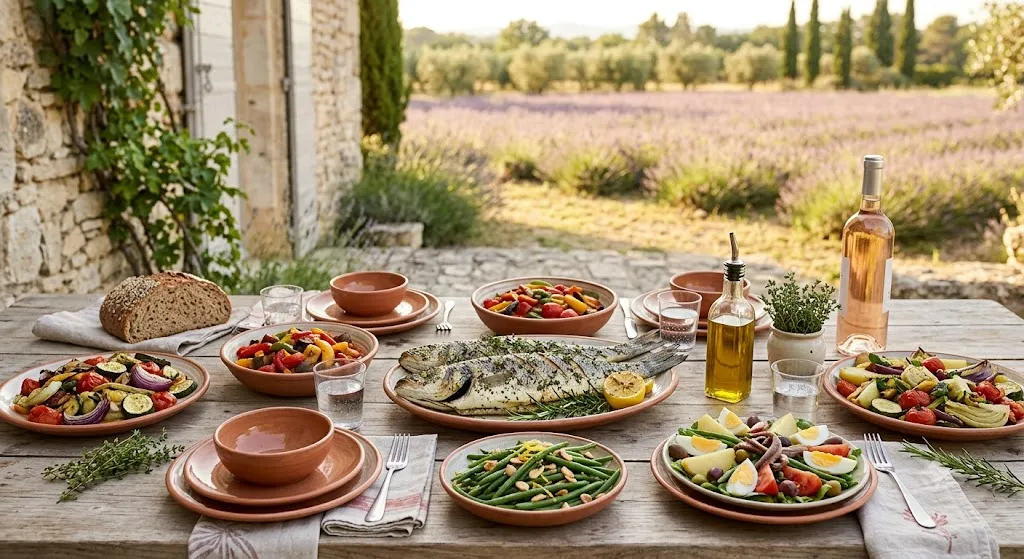
8. French Cuisine — Technique-Driven Richness That Earns Its Place, Carefully
French cuisine ranking eighth reflects a genuine tension: the cuisine’s technical sophistication produces extraordinary food, but butter, cream, and refined pastry are structurally central to it in a way that limits its everyday nutritional profile compared to the cuisines ranked above it.
Traditional French regional cooking, particularly in the south, includes a genuinely healthy pattern built around olive oil, fresh vegetables, and fish, which is part of why French food is so rich and flavorful without relying exclusively on cream-based technique. This regional variation matters, similar to the Chinese entry above.
However, the broader French culinary identity, particularly in classical technique and northern regional cooking, relies heavily on butter-based sauces, cream reductions, and refined pastry in everyday contexts, including breakfast.
What most people get wrong: they associate the French paradox, the observation that French populations have historically had lower cardiovascular disease rates despite a rich diet, with proof that French food is healthy. The explanation is more complicated, involving portion size, wine consumption patterns, and meal pacing, not the absence of saturated fat.
The verdict: extraordinary culinary craft with real regional healthy variation, ranking eighth because butter and cream are too structurally central to the broader cuisine to rank higher.
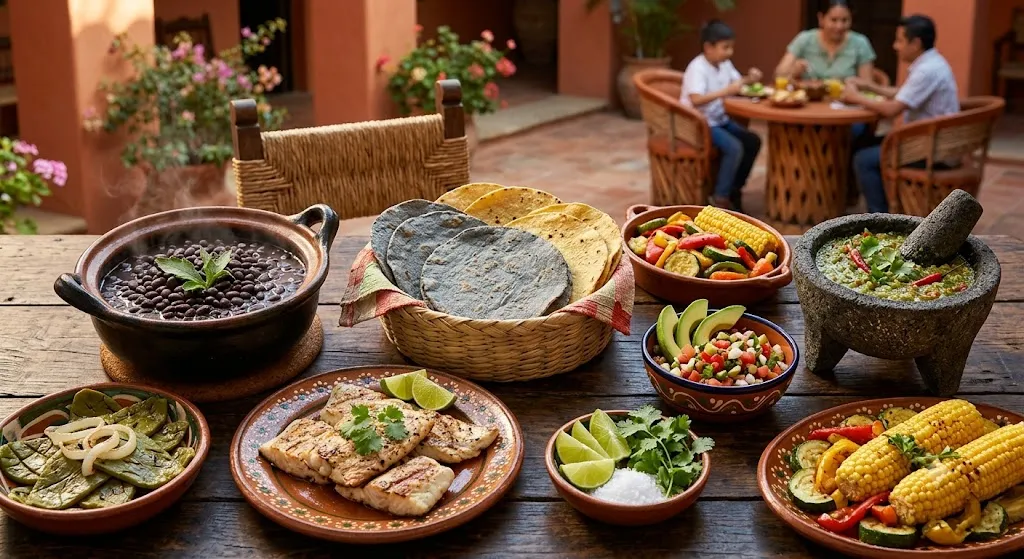
9. Mexican Cuisine — Traditional Ingredients, Modern Adaptation Problem
Mexican cuisine ranks ninth, reflecting a significant gap between its traditional foundation, which is genuinely nutrient-dense, and how the cuisine is most commonly eaten today, both within Mexico and internationally.
Traditional Mexican cooking is built on beans, corn, tomatoes, chilies, and a wide range of vegetables, a foundation that is, on paper, highly nutritious and is part of why Mexican food is so flavorful without needing heavy processed additions. Beans alone provide significant fiber and plant protein, and nixtamalized corn, the traditional preparation for tortillas, has real nutritional advantages over refined corn products.
The problem is what has happened to that foundation in common modern practice. Cheese, sour cream, and fried preparations have become heavily layered onto traditional dishes, and refined flour tortillas have displaced traditional nixtamalized corn ones in much everyday and restaurant eating.
What most people get wrong: they conflate Tex-Mex and heavily Americanized Mexican restaurant food, loaded with cheese and fried components, with the lighter, bean-and-vegetable-forward traditional cooking that exists at the cuisine’s foundation.
The verdict: a genuinely healthy traditional foundation undermined by widespread modern adaptation, ranking ninth for that gap between origin and common practice.
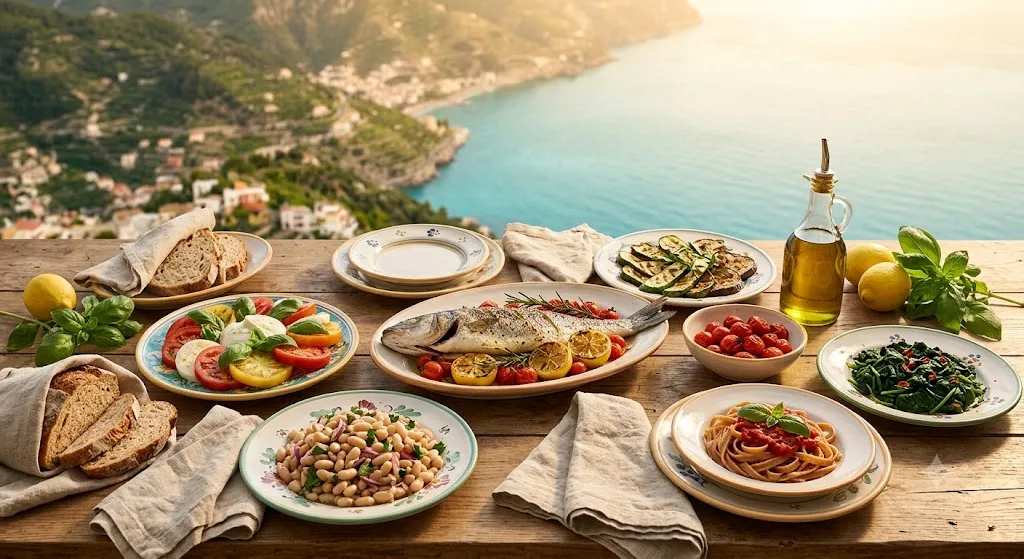
10. Italian Cuisine — Regional Variation Is the Whole Story
Italian cuisine rounds out the list at tenth, not because it lacks healthy traditions, but because the cuisine most commonly eaten and exported internationally, pizza and pasta in their richest, cheese-heaviest forms, represents the opposite end of the spectrum from southern Italian and Mediterranean-aligned traditional eating.
Southern Italian regional cooking, closely related to the broader Mediterranean pattern referenced above, emphasizes vegetables, legumes, olive oil, and modest portions of pasta as a course rather than a meal, a pattern with real research support. The history connected to how a Neapolitan flatbread conquered the world shows how far the dish has traveled from its simple, vegetable-topped origins toward the cheese-heavy, calorie-dense version most commonly eaten today internationally.
The everyday international experience of Italian food, large pasta portions as a main course, bread baskets, and cheese-heavy preparations, bears limited resemblance to traditional regional eating patterns, particularly outside the south.
What most people get wrong: they assume Italian food is uniformly Mediterranean and therefore healthy, when northern Italian cooking and most international Italian restaurant adaptation lean heavily toward cream, cheese, and refined carbohydrate volume.
The verdict: genuine healthy regional roots, ranked tenth because the cuisine’s dominant global expression has drifted furthest from that traditional foundation of any cuisine on this list.
The Full Ranking at a Glance
| Rank | Cuisine | Key Strength | Defining Element | Best For |
|---|---|---|---|---|
| 1 | Japanese | Portion discipline + variety | Ichiju-sansai meal structure | Sustainable daily eating without dieting |
| 2 | South Korean | Daily fermentation | Kimchi and banchan rotation | Gut health and vegetable frequency |
| 3 | Mediterranean (Greece/S. Italy) | Strongest research backing | Olive oil, legumes, fish | Long-term cardiovascular health |
| 4 | Indian | Legume and spice density | Daily dal, turmeric, fermented batters | Plant protein and anti-inflammatory compounds |
| 5 | Vietnamese | Freshness and raw produce | Herb-loaded broths and salads | Low-calorie, high-nutrient meals |
| 6 | Thai | Herb and vegetable volume | Lemongrass, galangal, fresh chili | Flavor-forward eating with moderate caution on coconut milk |
| 7 | Chinese | Steaming and stir-fry tradition | Cantonese-style light cooking | Vegetable variety, with regional caution |
| 8 | French | Technique with regional balance | Southern olive-oil-based cooking | Mindful, portion-paced eating |
| 9 | Mexican | Bean and corn foundation | Nixtamalized corn, legumes | Traditional plant-forward base, watch modern toppings |
| 10 | Italian | Strong regional roots | Southern vegetable and legume cooking | Mediterranean-aligned eating, avoid the export version |
Five More That Deserve Recognition
Peruvian cuisine came close, with quinoa, fish, and a genuinely impressive range of native vegetables and tubers, but did not make the main list because its everyday eating patterns vary enormously between coastal, highland, and Amazonian regions, making a single ranking position harder to defend.
Ethiopian cuisine offers real nutritional strength through injera’s fermentation and a genuinely high legume and vegetable content in everyday eating, particularly during fasting periods, but the nit’ir kibbeh, spiced clarified butter, used generously in many dishes pulled it just below the cut.
Lebanese cuisine has strong fundamentals, including hummus, tabbouleh, and grilled preparations, but did not make the main ten because its modern, internationally exported version leans heavily toward fried mezze and bread-forward eating that diverges from the traditional pattern.
Moroccan cuisine offers vegetable and legume density through tagines and couscous-based dishes, but frequent use of preserved butter and a heavier reliance on refined couscous over whole grains kept it just outside the top ten.
Scandinavian cuisine deserves mention for fish, whole grains, and berries central to traditional Nordic eating, an emerging area of nutrition research, but did not make the list due to limited comparative research depth relative to the other cuisines ranked.
Why Mediterranean Cuisine Is Not at Number One
The most likely objection to this ranking is Mediterranean cuisine sitting at three rather than one. It has the most extensive research backing of any entry on this list. The argument for first place is reasonable.
Here is the counterargument, stated directly.
Research backing measures something real but specific: it tells you that the traditional, properly executed version of this diet correlates with strong health outcomes. It does not tell you how consistently that traditional version is actually practiced today, either within Mediterranean countries or internationally.
Japan and South Korea rank above Mediterranean cuisine here because their traditional, everyday eating patterns remain closer to their historical roots in current daily practice. The fermentation habits, portion structures, and vegetable-forward defaults documented in Japanese and Korean nutrition research are still the dominant way most people actually eat day to day, not a historical pattern that has been significantly diluted.
Mediterranean cuisine’s traditional, research-backed pattern is real, and where it is practiced as originally intended, it likely matches or exceeds the cuisines above it. But “Mediterranean” as commonly eaten today, both in much of southern Europe and especially internationally, frequently means refined pasta, bread, and cheese in proportions far removed from the village diets that produced the longevity data.
This ranking measures cuisines as commonly practiced, not as ideally practiced. That is the honest standard, and it is the reason Mediterranean cuisine sits at three rather than one.
How This List Changes What You Order Next Time
This ranking is most useful as a template, not a verdict to memorize.
If you are trying to eat more like Japanese or Korean everyday cooking, the actionable habit is structural: build your plate around a soup, a modest protein portion, and multiple small vegetable or fermented sides, rather than one large protein-and-starch-dominant dish.
If you love Mediterranean, Italian, or French food and want to keep eating it while leaning into the healthier end of each tradition, the practical move is regional. Choose southern Italian and Greek preparations over northern French and northern Italian cream-based ones, and treat pasta as a course alongside vegetables rather than the entire meal.
If Indian or Mexican food is a regular part of your diet, the highest-leverage change is recognizing the gap between restaurant and home cooking. Dal, sabzi, beans, and corn-based dishes without heavy cheese or cream additions represent the traditional, more nutritionally favorable version of both cuisines.
The specific insight this ranking offers: the healthiest cuisines in the world are not defined by a single ingredient or superfood. They are defined by structure, how a meal is built and how often vegetables, legumes, and fermented foods appear by default, not as an occasional health-conscious choice.
The Bottom Line
A ranking of the world’s healthiest cuisines, built honestly, ends up being a ranking of meal structure and consistency, not ingredient lists. Japan and South Korea rank first and second not because they have access to uniquely healthy ingredients but because their everyday meal architecture defaults to variety, fermentation, and portion balance without requiring conscious effort.
That distinction matters beyond the ranking itself. It suggests that the path to eating more like the healthiest food cultures in the world is not about adopting a single new ingredient or following a diet plan borrowed from one famous dish. It is about restructuring how a plate is built, every day, as a default rather than an exception.
What this list ultimately reveals is that health, in food culture terms, is rarely about restriction. The cuisines at the top of this ranking are not minimalist or austere. They are simply structured so that vegetables, legumes, and fermented foods show up constantly, by habit, rather than by willpower.
People Also Ask
What is the healthiest cuisine in the world?
Japanese cuisine ranks as the healthiest in the world based on everyday eating patterns, largely due to its traditional meal structure of one soup and three dishes, which naturally balances portion size with vegetable and fermented food variety. This structure is part of daily home cooking rather than a special diet, which is what gives it consistency that other cuisines with one famous healthy dish often lack.
Is the Mediterranean diet really the healthiest, or is that overrated?
The Mediterranean diet has the strongest scientific research backing of any cuisine on this list, but it is not automatically the healthiest as commonly eaten today. Much of what is marketed as Mediterranean food, particularly internationally, has drifted toward refined pasta, bread, and cheese, far from the vegetable, legume, and olive-oil-based traditional pattern that produced the longevity research in the first place.
Why does Indian food rank as healthy if restaurant dishes are often cream-heavy?
Indian restaurant menus, especially outside India, skew toward cream-based dishes like butter chicken that represent a small fraction of everyday Indian eating. Home cooking is dominated by lentil-based dal, vegetable sabzi, and fermented batters for dishes like idli and dosa, producing a fiber-rich, plant-forward pattern that differs significantly from the restaurant version most people experience first.
Is Thai food actually healthy?
Thai food is genuinely vegetable and herb-rich, but coconut milk and added sugar in many popular curries and sauces introduce meaningful fat and sugar content that pulls it below cuisines with lighter everyday cooking methods. The cuisine’s herb-forward dishes, like som tam and many grilled preparations, are excellent choices, while coconut-milk-heavy curries are better treated as occasional rather than everyday eating.
Why isn’t Italian food ranked higher given the Mediterranean diet connection?
Southern Italian cooking is closely connected to the traditional Mediterranean pattern and is genuinely healthy, but the cuisine most commonly eaten and exported internationally, cheese-heavy pizza and large pasta portions, has drifted far from that foundation. The ranking reflects how Italian food is actually eaten on average today, not the healthiest regional version that exists within the broader cuisine.
What makes fermented foods so important to a cuisine’s health ranking?
Fermented foods like kimchi, miso, and natto deliver probiotic bacteria that support gut health, along with enhanced nutrient availability compared to their unfermented form. Cuisines that include fermented foods at daily frequency, like Korean and Japanese cooking, show this benefit consistently across the population rather than occasionally, which is why fermentation frequency carries significant weight in this ranking.
Which cuisine should I try first if I want to eat healthier?
Japanese or Korean everyday home cooking offers the most accessible entry point, since the core principle, building a meal around a soup, a modest protein, and multiple vegetable or fermented sides, can be adapted to ingredients available almost anywhere. Starting with that structural template, rather than trying to source unfamiliar specialty ingredients, makes the transition more sustainable.
Sources and References
This ranking reflects TasteHavenDaily’s editorial assessment based on nutritional research and cross-cultural comparison. The Mediterranean diet’s connection to cardiovascular health outcomes, including research tied to Blue Zone regions such as Ikaria, Greece, draws from longevity research published in peer-reviewed nutrition and epidemiology journals over the past several decades. The nutritional profile of fermented foods, including probiotic content in kimchi and miso, reflects established food science research on fermentation.
Readers seeking deeper sourcing on specific dietary pattern research are directed to peer-reviewed journals such as The New England Journal of Medicine and The Lancet, both of which have published major studies on Mediterranean dietary patterns and cardiovascular outcomes.