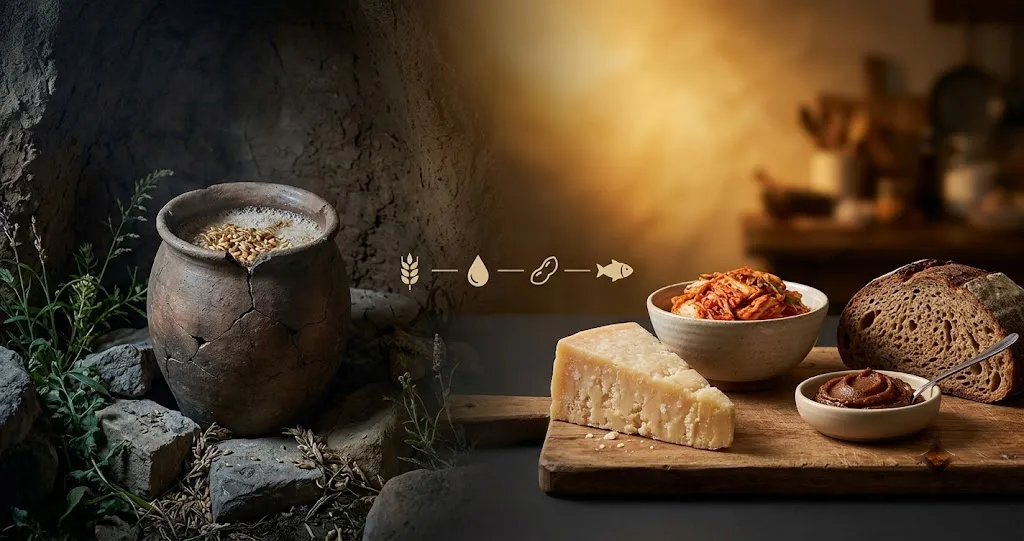
Mexican food does not get its flavor from a single dominant ingredient or technique. It gets it from a systematic layering of heat, acid, smoke, and earthiness that was thousands of years in the making before a single Spanish ship ever crossed the Atlantic. The reason a good mole tastes the way it does, or why a freshly made corn tortilla has that warm, nutty depth that a flour tortilla simply cannot replicate, comes down to a set of specific chemical transformations built into the cuisine’s foundations that most food writing never stops to explain.
Most people assume the defining feature of Mexican food is heat, meaning chile pepper spice. That misses everything interesting. Heat is one element in a much more complex architecture. The flavors are actually built through a deliberate system of toasting, charring, grinding, and slow-cooking that transforms raw ingredients at a molecular level before they ever combine in a pot.
What Is Actually Happening on Your Tongue
- Mexican cuisine’s flavor is built through layered transformation, not combination. Raw ingredients are toasted, charred, or dry-roasted before they are blended, dramatically changing their chemical makeup.
- Chile peppers are the structural backbone of Mexican flavor. Mexico has over 60 named chile varieties in common use, each with a distinct capsaicinoid profile, aromatics, and heat intensity.
- Nixtamalization — the ancient process of treating dried corn with calcium hydroxide (slaked lime) in water — creates the distinctive nutty, earthy flavor of authentic corn tortillas and masa by chemically restructuring the corn’s starches and releasing bound flavor compounds.
- The Maillard reaction (the chemical browning of amino acids and sugars under heat) is triggered repeatedly throughout Mexican cooking, in toasted dried chiles, charred tomatoes on a comal, roasted garlic, and slow-braised meats, each time generating new aromatic compounds not present in the raw ingredients.
- Acidity — from tomatillos, tomatoes, lime, and fermented elements — cuts through fat and amplifies the perception of every other flavor in a dish, making the overall profile taste brighter and more layered than it would without it.
How 9,000 Years of Agriculture Made This Flavor Inevitable
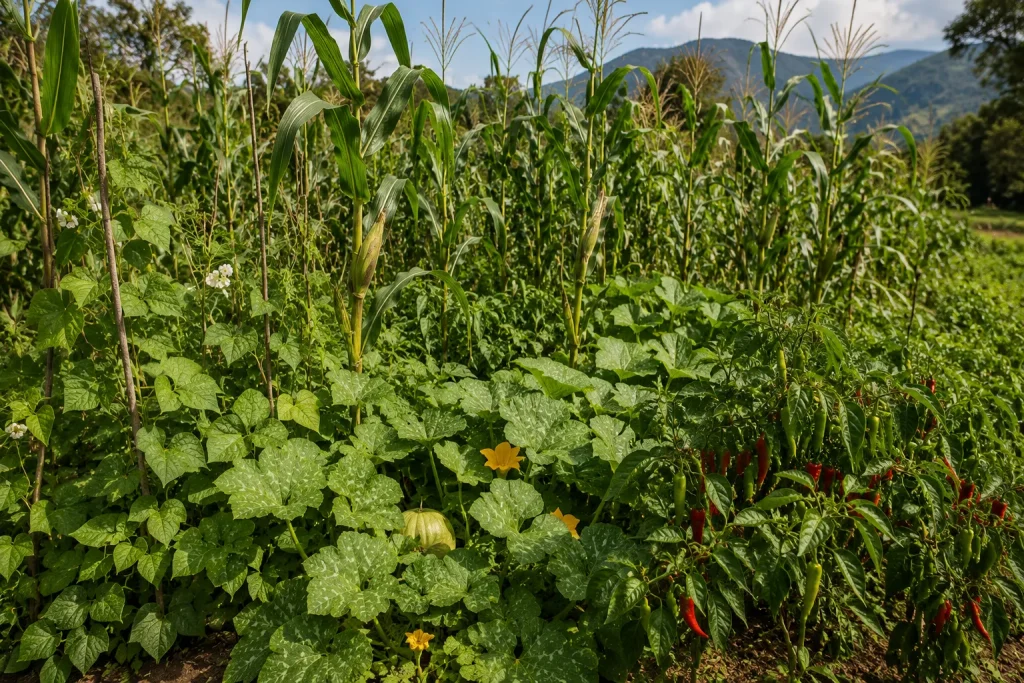
The geography of Mexico did not simply produce ingredients. It produced the right density of biodiversity in a relatively contained region, which meant that over thousands of years, the cultures of Mesoamerica were able to develop, domesticate, and systematically combine a remarkable range of flavor-active plants without ever needing to trade across continents for them.
Archaeological evidence shows that chiles were in use across Mesoamerica as early as 400 BCE, with domestication likely beginning around 6,000 years ago in northeast Mexico. Corn was being cultivated by around 2000 BCE. The “milpa” farming system — planting corn, beans, squash, and chiles together in the same field — was not just an efficient agricultural practice. It was the origin story of Mexican flavor. These four ingredients, grown and eaten together for millennia, became the chemical foundation of the cuisine.
Nixtamalization, the alkaline treatment of corn that transforms its flavor and nutrition, emerged roughly 3,500 years ago from the Nahuatl words nextli (ashes) and tamalli (corn dough). Early cooks noticed that corn treated with wood ash or limestone water became easier to grind and tasted fundamentally different. What they had discovered, without the vocabulary of food science, was that the alkaline solution was restructuring the corn’s internal chemistry in ways that released flavor compounds locked inside the kernel.
Then came Spanish colonization in the 16th century. The introduction of lard, pork, chicken, dairy, and new spices like cinnamon and cumin did not replace indigenous flavor principles. It collided with them. The resulting hybrid is what we now recognize as Mexican cuisine: an ancient architecture of chiles, corn, and acidity, reinforced and complicated by new fats, proteins, and aromatics that the Maillard reaction could work on in entirely new ways.
UNESCO recognized this depth in 2010, inscribing traditional Mexican cuisine — exemplified by the practices of Michoacán — as an Intangible Cultural Heritage of Humanity.
The Chemistry Behind Why Mexican Food Tastes Unlike Anything Else
Here is what people usually get wrong about Mexican food’s flavor: they think the chile pepper is adding heat to a dish. It is not — or at least, heat is the least interesting thing it is doing.
When you bite into a dish that contains roasted dried chile peppers, the sensation you feel is not technically taste at all. Capsaicin (8-methyl-N-vanillyl-6-nonenamide, chemical formula C18H27O3N) is the primary pungent compound in chiles. It binds to a protein receptor called TRPV1 — the transient receptor potential vanilloid 1 channel — which is the same receptor your body uses to sense actual heat damage. Capsaicin tricks this receptor into firing as though your mouth is being burned, even when the temperature of the food is completely normal. This is a trigeminal response, not a taste response. It runs through different nerve pathways than sweet, salty, sour, bitter, or umami signals do.
That distinction matters enormously, because according to published research on capsaicin and TRPV1 receptor function in the Advances in Pharmacological and Pharmaceutical Sciences journal, capsaicin does not simply cause a burning sensation. It sensitizes the surrounding taste receptors, making the flavors of every other ingredient in the dish register more intensely. A well-made salsa verde tastes brighter and more complex partly because the capsaicin from the serrano chile has primed the surrounding taste cells to be more receptive.
But capsaicin is only part of the equation. Chiles contain more than 15 distinct capsaicinoid compounds alongside flavonoids including quercetin and luteolin, as well as volatile aromatic compounds that are dramatically transformed by heat. As IntechOpen’s review of capsaicinoid and flavonoid content in Mexican chile varieties documents, capsaicinoids and flavonoids together are the primary determinants of color, flavor, texture, and aroma in dishes made with chiles — and those properties change substantially depending on whether the chile is used raw, dried, toasted, or rehydrated.
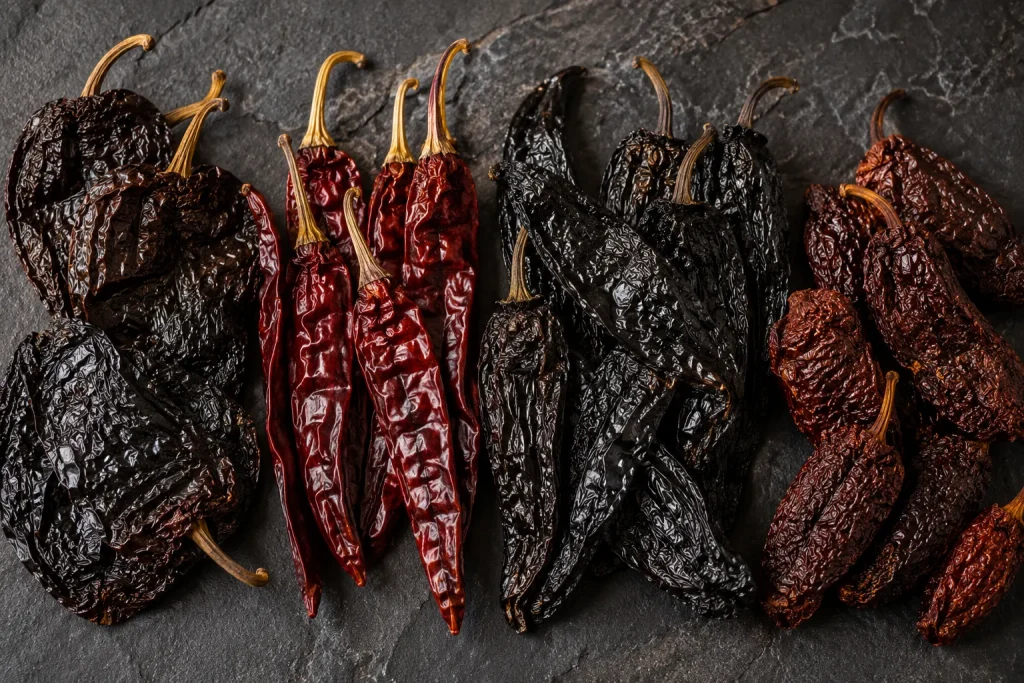
Dry toasting a dried ancho or guajillo chile on a hot comal triggers the Maillard reaction — the chemical process by which amino acids and reducing sugars react under heat to create hundreds of new aromatic compounds. The same fundamental reaction that browns bread crust and sears meat is happening to the dried chile’s skin. Pyrazines, furans, and aldehydes are generated that were not present in the raw chile, contributing the smoky, nutty, almost chocolatey depth that characterizes a good mole or enchilada sauce. Research on Maillard-driven volatile compound formation in dried and baked chile peppers confirms that heat treatment through toasting is the primary mechanism for creating this aromatic complexity.
And underneath all of this runs nixtamalization. When calcium hydroxide meets corn in hot water, the alkaline solution breaks down the pericarp (the corn kernel’s outer hull), alters the starch structure, and releases flavor compounds that are chemically inaccessible in untreated corn. The result is the unmistakable warm, nutty, slightly mineral aroma of real masa — a flavor no amount of fresh corn flour can replicate because it requires this specific chemical transformation to exist.
The Ingredients and Techniques That Make Mexican Flavor Work
Dried Chiles: The Foundation, Not the Accent
Most food cultures use chile peppers as a seasoning. Mexican cuisine treats dried chiles as a primary ingredient — something you cook with in the same way French cuisine cooks with butter, meaning structurally and fundamentally, not as a garnish.
Mexico has over 60 named chile varieties in common use. A fresh jalapeño becomes a dried chipotle when smoked. A fresh poblano becomes an ancho when dried. The transformation is not just a change in moisture content. Drying and smoking create entirely new volatile compounds through oxidation, concentration, and the Maillard reaction. A dried ancho contributes dark fruit and chocolate aromatics. A dried guajillo contributes berry and mild heat. A dried pasilla contributes a raisin-like, earthy depth. When these are combined in a mole negro alongside tomatoes, chocolate, and spices, what the cook is doing is layering five or six distinct capsaicinoid and aromatic profiles that interact with and amplify each other across a dish.
The Comal and Dry Heat
The comal — a flat griddle used without oil — is arguably the single most important tool in Mexican cooking for flavor development. Charring fresh tomatoes, tomatillos, onion, and garlic directly on a dry comal generates Maillard compounds and caramelized sugars on the exterior while keeping the interior moist. The result is a roasted, smoky sweetness that blended raw tomatoes can never produce.
This technique also applies to dried chiles. Pressing a dried chile flat against a hot, dry comal for 20 to 30 seconds per side toasts the skin, releases aromatic oils, and creates the slightly bitter, deeply smoky note that characterizes the backbone of many Mexican salsas and sauces. Overdo it by even 15 seconds and the chile turns acrid and bitter. The technique is precise, and that precision is doing real chemistry.
Nixtamalized Corn
Nixtamalization, from the Nahuatl nextli and tamalli, is the 3,500-year-old process of cooking dried corn in an alkaline lime-water solution before grinding it into masa. As research at VT Tortilla Co. explains, the alkaline environment breaks down the pericarp, restructures the starch granules, and transforms organic compounds inside the kernel in ways that generate the characteristic nutty, warm aroma of real masa that is chemically impossible to achieve with untreated corn flour.
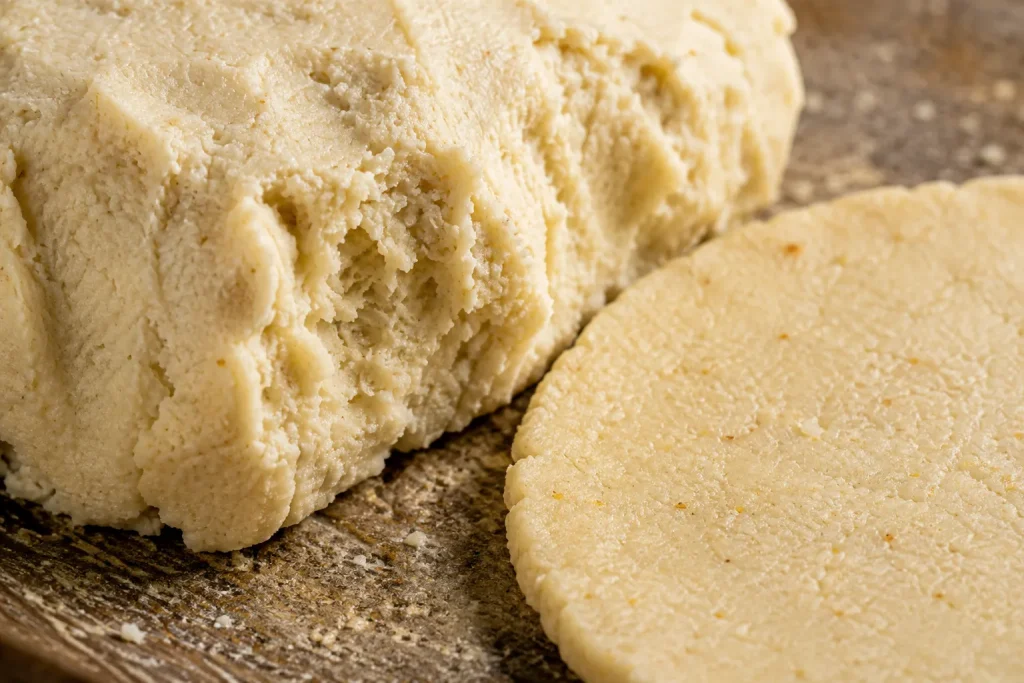
A tortilla made from masa harina (properly nixtamalized, dried, and ground corn) tastes categorically different from a “corn tortilla” made with plain cornmeal. The difference is not freshness. It is chemistry. The nixtamalization step is what separates the two.
Tomatillos and the Role of Acidity
The tomatillo — a green, papery-husked fruit botanically distinct from the tomato — contributes a sharp, almost citric acidity alongside green, herbal aromatics that tomatoes simply cannot provide. In a salsa verde, that acidity is doing something specific: it is cutting through the fat in the dish and raising the perceived brightness of every other flavor present.
Acidity in food science works partly by contrast. The sourness of a tomatillo-based sauce sharpens the perception of the savory depth from roasted garlic, the heat from serrano chiles, and the grassy freshness from cilantro. Without it, the same dish would taste flatter and heavier. Mexican cuisine’s consistent use of lime, tomatillos, and fermented elements maintains this acidity throughout the flavor profile, which is partly why it registers as “bright” even when the dishes are dense and deeply flavored.
Slow Cooking and the Release of Gelatin
Mexican braised dishes — birria, barbacoa, cochinita pibil — rely on low, slow heat over hours to convert the collagen in tough cuts of meat into gelatin. Gelatin is flavor-neutral on its own, but it creates a mouthcoating viscosity that slows down how quickly other flavor compounds evaporate from your palate. The practical effect is that the smoky, acidic, capsaicin-touched flavor of a good birria lingers substantially longer than it would in a faster-cooked dish. The slow cook is not just tenderizing the meat. It is extending the duration of flavor.
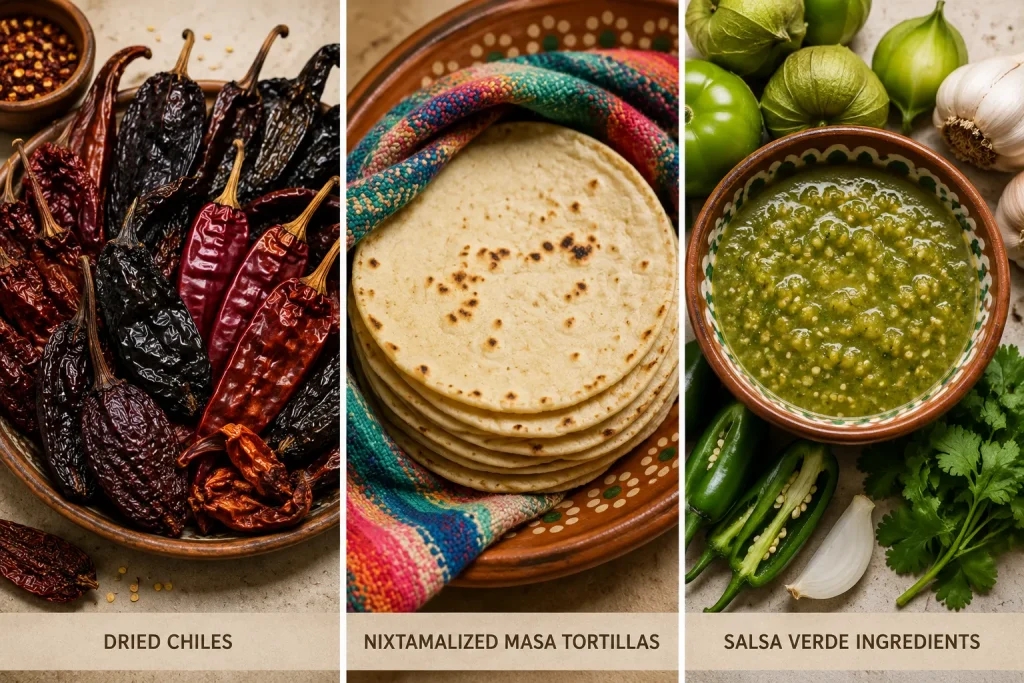
Key Ingredient and Technique Comparison
| Ingredient / Technique | Key Compounds | Flavor Contribution | Common Application | Transforms When |
|---|---|---|---|---|
| Dried ancho chile | Capsaicinoids, pyrazines, flavonoids | Dark fruit, chocolate, mild heat, earthiness | Mole, enchilada sauce, adobo | Toasted on dry comal |
| Dried guajillo chile | Capsaicinoids, carotenoids, volatile esters | Berry, mild heat, slight acidity | Salsas, braises, chile colorado | Toasted and rehydrated |
| Nixtamalized masa | Modified starches, calcium-bound amino acids | Nutty, mineral, warm corn aroma | Tortillas, tamales, tlayudas | Alkaline treatment of raw corn |
| Tomatillo | Citric acid, malic acid, withanolides | Sharp acidity, green herb, subtle bitterness | Salsa verde, pozole verde, enchiladas verdes | Charred on comal or roasted |
| Charred tomato | Maillard compounds, caramelized sugars | Smoky sweetness, reduced acidity | Salsas rojas, moles, sauces | Dry-charred directly on flame or comal |
| Epazote (herb) | Ascaridole, terpenes, volatile oils | Pungent, medicinal, pine-adjacent | Black beans, quesadillas, soups | Used fresh or dried |
| Slow-braised collagen | Gelatin, dissolved fat-soluble aromatics | Mouthcoating viscosity, extended flavor | Birria, barbacoa, cochinita pibil | Low heat over 4 to 8 hours |
How Mexican Cuisine’s Approach Compares to Other Traditions
The comparison that reveals most about Mexican food’s flavor logic is with Indian cuisine. Both traditions treat spices as primary ingredients rather than accents, both rely on specific heat application to transform those spices chemically before combining them with other elements, and both produce layered, deeply aromatic results. The key difference is structural. Indian cooking layers spices sequentially in hot oil, blooming them to release fat-soluble aromatics. Mexican cooking tends to dry-toast and then grind or blend, creating flavor compounds through the Maillard reaction and then suspending them in a liquid medium. The transformation happens before the fat enters the equation, not during.
Compare this to Thai cuisine, which builds flavor through the simultaneous balance of sweet, sour, salty, spicy, and umami within a single dish. The philosophy is balance within each bite. Mexican cuisine more often builds flavor in distinct layers that are applied to a base (the masa, the braised meat, the broth) rather than balanced inside a single sauce.
Korean fermentation, which creates new flavor compounds through microbial transformation over days or weeks, is a close philosophical parallel to nixtamalization in Mexican cooking. Both processes are about using chemistry over time to create flavor that raw ingredients cannot produce. You can read more about why Korean food is so flavorful and how fermentation-built umami compares to the transformation-built complexity in Mexican cuisine.
European cuisines, by contrast, largely arrived at flavor depth through fat-soluble cooking — stocks, reductions, butter-based sauces — which concentrate flavor compounds rather than transform them at a molecular level. The mechanisms are different even when the goals (depth, complexity, layering) are the same.
What Understanding This Changes in Your Kitchen
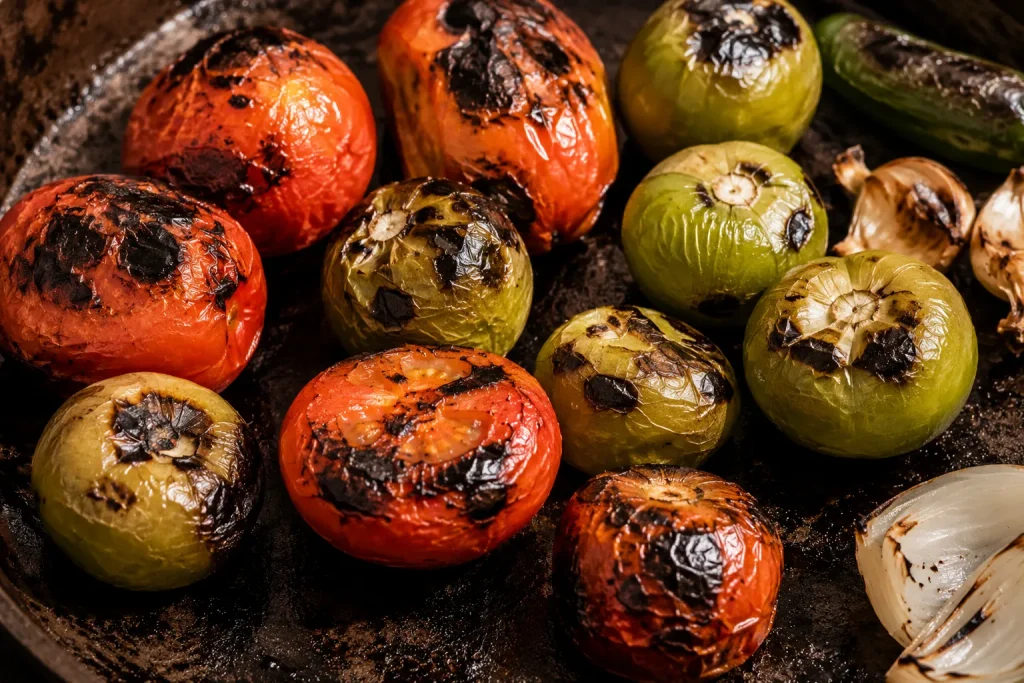
The single most useful thing you can take from this article into your own cooking is the concept of intentional transformation before combination.
When most home cooks make a Mexican-style salsa or sauce at home, they blend raw ingredients. The result tastes fine but flat. What it is missing is the transformation step. Char your tomatoes and tomatillos directly on a dry pan or under a broiler until they are blackened in places. Toast your dried chiles for 20 to 30 seconds per side on a dry skillet before rehydrating them. Do not skip these steps because they seem fussy. Those steps are doing the chemistry that makes the final dish taste like it does in a good restaurant.
The other insight worth carrying is about the acid. A squeeze of lime added at the end of a dish is not garnish. It is a structural flavor element that brightens every other compound in the bowl. If a dish you have cooked tastes heavy or flat, the solution is often more acid, not more salt.
One common mistake: using chile powder as a substitute for dried whole chiles. Ground chile powder was likely processed months ago, and the volatile aromatic compounds that make dried chiles taste complex deteriorate over time once ground. If a dish should taste earthy and rich and instead tastes merely spicy, the dried whole chile — toasted yourself before using — is usually the answer.
Next time you eat a really good mole or a birria taco, pay attention to the back of the flavor — the moment after the initial hit of heat and acidity fades. That lingering warmth, that smoky-sweet depth that sits on the palate for 20 or 30 seconds after you have swallowed, is the gelatin from slow-cooked meat, the Maillard compounds from toasted chiles, and the chemical transformation of nixtamalized corn all working in the same direction. Now that you know what is producing it, you will recognize it every time.
The Regional Variations That Complicate This Picture
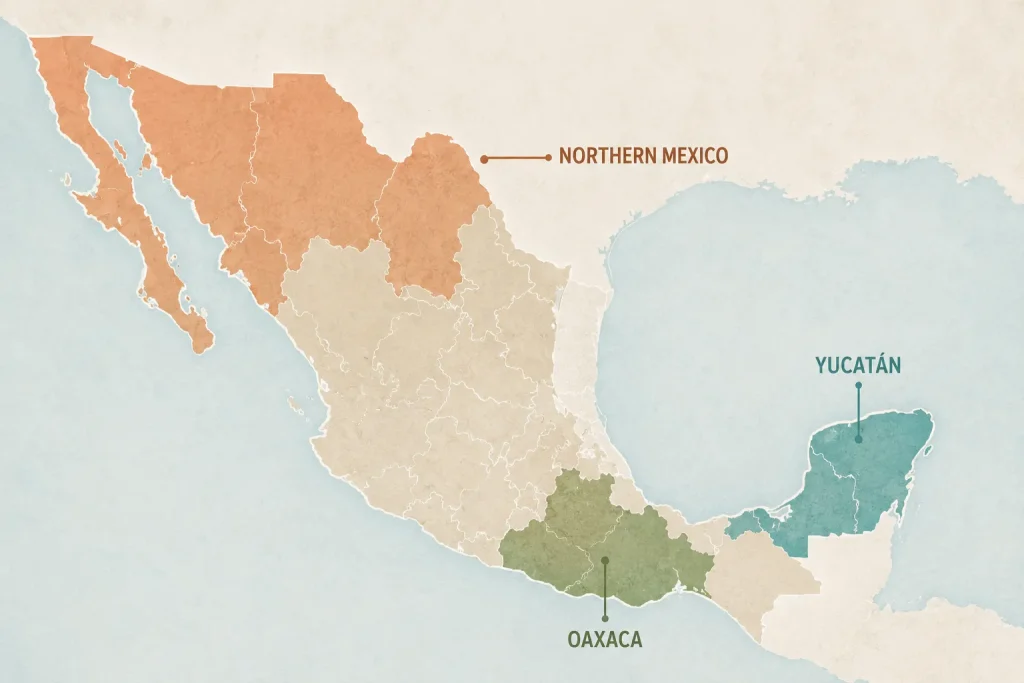
The Oaxacan tradition is probably the most internally diverse in Mexico. Oaxaca is sometimes called “the land of seven moles” — negro, rojo, coloradito, amarillo, verde, chichilo, and manchamanteles — each built from a different combination of dried chiles, charred aromatics, and spices. The flavor logic is the same in each: dry transformation before liquid combination. But the specific chile selections create dramatically different results, from the near-black bitterness of mole negro (built around the dried chile negro and mulato) to the herbal brightness of mole verde (built around fresh tomatillos, epazote, and green chiles). The cuisine’s defining principle does not change; its application is extraordinarily varied.
The Yucatán peninsula represents perhaps the biggest regional departure from the central Mexican model. Influenced by Mayan cooking traditions and geographically isolated from central Mexico until relatively recently, Yucatecan cuisine relies heavily on the habanero — one of the hottest chiles in Mexican use — alongside achiote (annatto seed paste) for color and subtle earthiness, sour orange rather than lime for acid, and the pit-roasting tradition of cochinita pibil. The heat level is higher and the flavor profile is distinctly citrus-and-earth forward rather than smoke-forward.
Northern Mexican cuisine (Sonora, Chihuahua, Nuevo León) diverges substantially from the chile-and-masa framework. Wheat flour dominates over corn, beef is the primary protein, and the flavor profile is comparatively clean and direct. This is partly geography — the northern desert is cattle country, not corn country — and partly the longer and more complete integration of Spanish culinary influences in the region. The dried chile is still present, but it plays a supporting role rather than the lead.
The Bottom Line
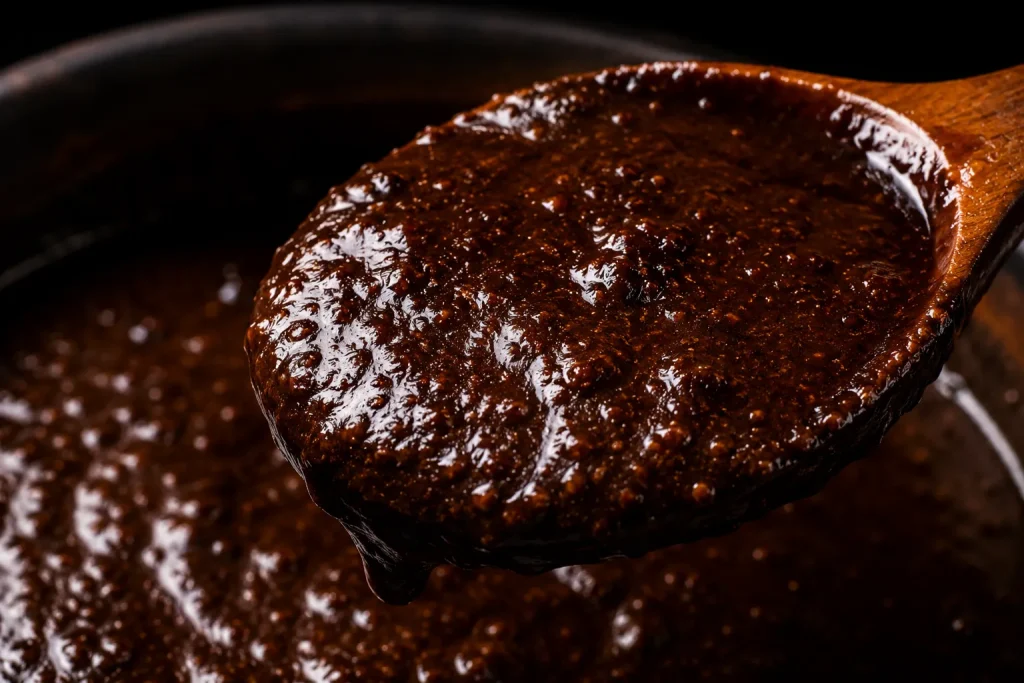
Mexican food is flavorful because it is built on chemical transformation, not just combination. Chiles are toasted to generate aromatic compounds through the Maillard reaction. Corn is treated with alkaline lime to restructure its chemistry and release bound flavor. Tomatoes and tomatillos are charred to create smoky sweetness. Collagen is slow-cooked to gelatin to extend the perception of flavor in the mouth. Every major technique in the cuisine is doing something specific at a molecular level, not just adding one flavor to another.
When you eat a great taco, a well-made mole, or a bowl of pozole that stops you mid-bite, you are tasting thousands of years of accumulated culinary knowledge about how to change ingredients, not just how to combine them. The next mole negro you eat will taste different now that you know what is in it. That dark, smoky, almost cacao-scented depth is not richness for its own sake. It is chemistry, running exactly as intended.
People Also Ask
Why does Mexican food taste so different from Tex-Mex?
Tex-Mex evolved as a regional American adaptation of Mexican cooking, with an emphasis on yellow cheese, beef, and wheat flour tortillas that reflects the ingredients available in Texas throughout the 19th and early 20th centuries. Authentic Mexican cooking relies heavily on nixtamalized corn tortillas, dried whole chiles, tomatillos, and slow transformation techniques that are largely absent in Tex-Mex. The flavor difference is not subtle — it reflects genuinely different ingredient sets and cooking philosophies.
What makes Mexican food spicy?
The spiciness in Mexican food comes primarily from capsaicin, the active compound in chile peppers that binds to TRPV1 pain receptors on the tongue and creates the sensation of burning heat. Mexico has over 60 named chile varieties in common use, ranging from the mild ancho to the very hot habanero, and most Mexican cooking uses multiple chile types simultaneously, each contributing different heat levels and aromatic profiles alongside the pungency.
Why does fresh restaurant salsa taste better than store-bought?
Most commercial salsas are cooked, blended, and jarred — a process that destroys the volatile aromatic compounds that give fresh salsa its brightness. In a good Mexican restaurant, tomatoes and tomatillos are charred on a comal, which generates Maillard compounds while preserving internal moisture. The result is a depth and freshness that the pasteurization required for jarred salsa cannot survive. The technique, not the ingredients alone, is the difference.
What is the secret to good Mexican mole?
There is no single secret, but the core principle is layered chemical transformation. A proper mole begins with dried chiles that are toasted on a dry comal to develop Maillard compounds, then rehydrated and blended. Tomatoes and aromatics are charred separately. Spices are toasted. Each element is transformed individually before everything combines and slow-cooks together. The complexity of mole comes from stacking multiple transformation steps, not from combining raw ingredients in one pot.
Why does Mexican street food taste better than what I make at home?
Almost certainly, the transformation step is missing. Street food cooks char their tomatoes and tomatillos directly on high-heat comales, toast their dried chiles correctly, use masa made from properly nixtamalized corn, and cook their proteins slowly enough to develop gelatin. Home cooks typically skip the charring, use chile powder instead of whole dried chiles, and reach for flour tortillas. The flavor difference between those two approaches is the flavor difference you are tasting.
Does Mexican food always have to be spicy?
No. Chile peppers are central to Mexican cooking, but not all chiles are hot, and not all dishes emphasize heat. The ancho chile, one of the most widely used in Mexican cooking, has a mild heat level and is valued primarily for its fruity, earthy flavor compounds. Many regional Mexican dishes, particularly in Oaxaca and Yucatán, are designed for complexity and depth rather than heat, with capsaicin contributing aromatic dimension rather than pungency.
Why does a corn tortilla from a tortilleria taste so much better than a supermarket tortilla?
A fresh tortilleria tortilla is made from masa produced through nixtamalization, where dried corn is treated with calcium hydroxide before grinding. This process creates the characteristic warm, nutty, mineral flavor of real masa. Most supermarket corn tortillas are made from masa harina — a dried, industrially processed version — which retains some of this character but loses much of the aromatic complexity that makes a fresh tortilla taste the way it does. The difference is a question of how recently and how thoroughly the corn was chemically transformed.
Sources and References
VT Tortilla Co. (2026). The Science of Nixtamalization: Why Real Corn Tortillas Start With Lime.
McGee, H. (2004). On Food and Cooking: The Science and Lore of the Kitchen. Scribner.
Coe, S. D. (1994). America’s First Cuisines. University of Texas Press.