The cuisine that ranks first on this list is not the one with the world’s hottest individual pepper. It earns the top position because heat is not a feature of its cooking — heat is the architecture. Understanding that distinction is what separates a useful spice ranking from a list of countries with famous hot sauces.
These rankings are built on one core question: if you eat your way through the everyday food of this cuisine, across its street stalls, home kitchens, and regional variations, how much sustained heat are you dealing with? Not peak heat. Sustained heat. That question produces a very different list than a Scoville leaderboard.
The rankings that follow will likely rearrange a few things you assumed. One cuisine that appears near the top of most Western lists lands in the middle here, and the cuisine that earns the number one position is not the one most food tourists encounter first.
The Ranking at a Glance
- Criteria: Frequency of capsaicin use across everyday dishes, breadth of heat through the cuisine, cultural baseline heat tolerance, and variety of heat sources — not individual pepper Scoville ratings alone.
- Biggest surprise at the top: The cuisine at number one integrates heat into virtually every dish, including breakfast, at concentrations that would qualify as extreme in most other food cultures.
- Biggest surprise in the middle: One cuisine widely associated with bold spice ranks lower than expected because its heat is concentrated in a small subset of dishes rather than distributed across the whole cuisine.
- What this ranking is not: A list of countries that grow hot peppers or export hot sauce. Production and consumption are very different things.
- Who should read this: Anyone planning to eat their way through a new cuisine and wanting to know, honestly, what they are walking into.
What “Spiciest” Actually Means — And Why This Ranking Defines It Differently
Most spice rankings make one of two mistakes. They either rank by the hottest dish a cuisine can produce — which tells you nothing about what everyday eating in that cuisine feels like — or they rank loosely by reputation, which tends to reflect Western food media coverage more than culinary reality.
This ranking uses four criteria, each weighted differently.
Frequency carries the most weight. A cuisine where eight out of ten dishes carry meaningful heat ranks above one where two dishes are incendiary and the rest are mild. Everyday breadth matters more than ceiling.
Cultural baseline is second. What does a home cook in this cuisine consider normal? What does a street stall serve as the default, before any tourist-accommodation adjustments? This is the honest measure of how a cuisine actually sits at the table.
Variety of heat sources adds nuance. A cuisine that builds heat through dried chilies, fresh chilies, fermented chili pastes, and peppercorns simultaneously produces a more complex and persistent heat experience than one relying on a single pepper type, even a very hot one.
Regional distribution rounds it out. Does the heat represent most of the cuisine’s geography, or a specific region within a food culture that is otherwise moderate?
One honest limitation: cuisines are not monoliths. Every cuisine on this list has mild regional pockets and regional extremes. These rankings reflect the center of gravity, not the edges.
The position most likely to cause arguments: Korean cuisine. Here is why it ranks where it does, and why the defense is solid.
The Ranked List
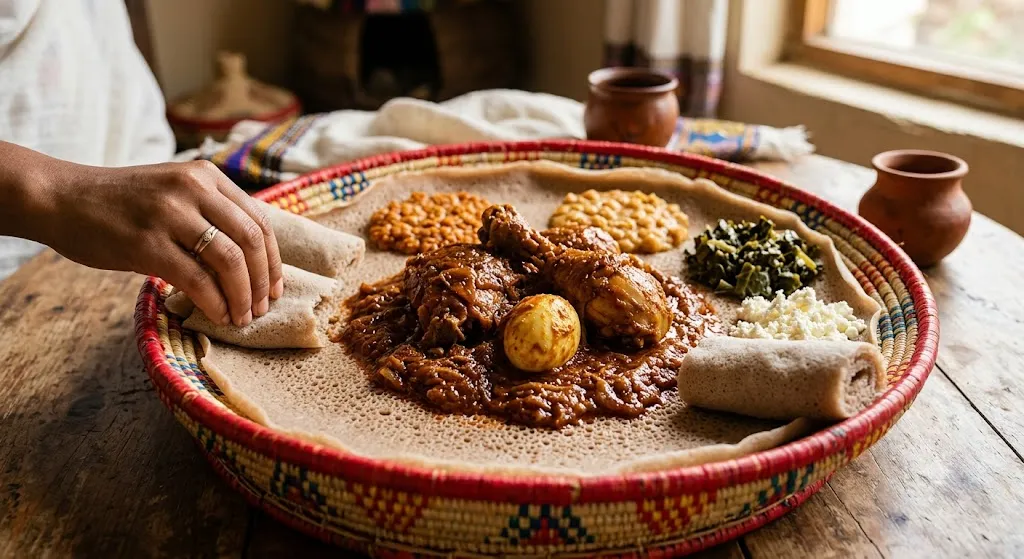
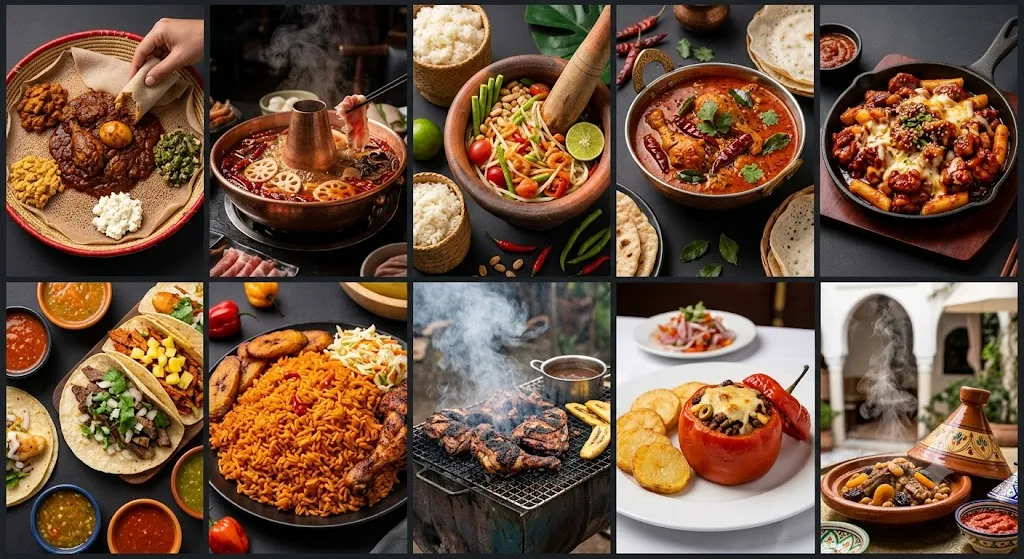
1. Ethiopian Cuisine — The One That Builds Heat Into the Foundation, Not the Finishing
Ethiopian cuisine earns the top position because berbere and mitmita are not condiments. They are the base of the cooking. Before a stew reaches the table, it has already been built on a spice paste containing up to twenty ingredients, with dried red chilies as the dominant note throughout.
Berbere is the key to understanding why Ethiopia ranks first. A typical berbere blend contains dried chili varieties at concentrations that, combined with black pepper, korarima (Ethiopian cardamom), and fenugreek, produce a layered, sustained heat that does not peak and fade. It sits. A doro wat, the national dish of chicken stewed in berbere-spiced nit’ir kibbeh, carries heat through every bite across a dish that a family might eat over an hour. That is not a hot dish. That is a hot cuisine.
The geographic and cultural reason is partly agricultural. Ethiopia’s highlands have cultivated chili varieties for centuries, and the Afar region in particular developed spice blends that were designed to function as preservation as much as seasoning in a pre-refrigeration context. Heat was practical before it was cultural, and then it became both.
What most people get wrong: they associate Ethiopian spice with injera, the sourdough flatbread, which is genuinely mild. The injera is the vehicle. The stews, lentils, and meat dishes piled on top are where the heat lives. Eating injera and assuming you understand Ethiopian spice is like drinking the water and forming an opinion about the whiskey.
The verdict: no other cuisine on this list builds high-capsaicin compounds into as many dishes, across as many meal types, as a default rather than an option.
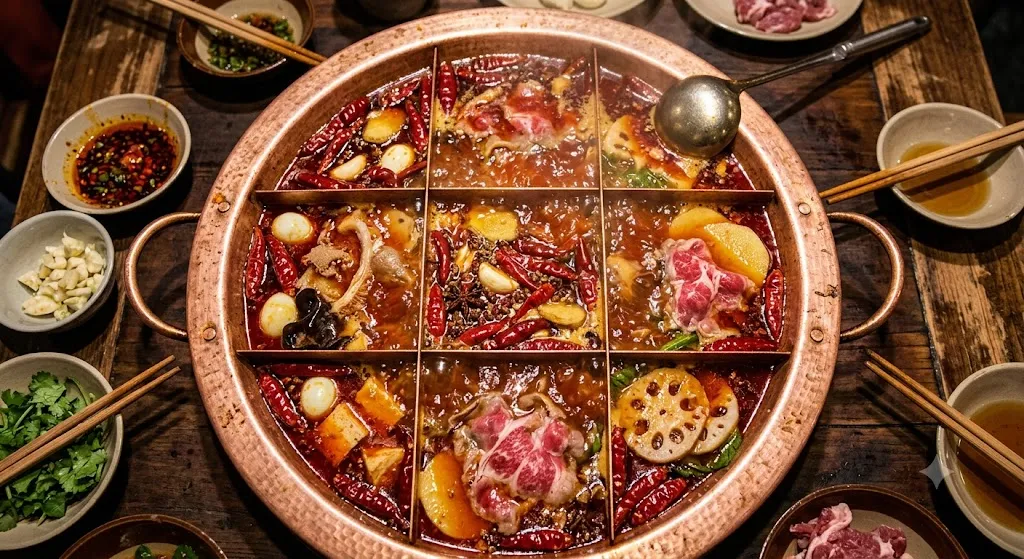
2. Sichuan Cuisine (China) — The Cuisine That Invented a New Kind of Pain
Sichuan cuisine does not simply burn. It numbs, then burns, then numbs again. The combination of dried facing heaven chilies and Sichuan peppercorns produces what Chinese food scholars call mala — literally “numbing spicy” — a sensation with no real equivalent in Western culinary vocabulary.
The Sichuan peppercorn is not a peppercorn. It is the dried husk of a citrus plant, and it contains hydroxy-alpha-sanshool, a compound that directly triggers the same nerve receptors as carbonation and mild electrical stimulation. When combined with the capsaicin in dried chilies at the concentrations used in dishes like mapo tofu and dan dan noodles, the result is a heat experience that is genuinely unlike anything else on this list.
Everyday Sichuan cooking — the kind served in worker canteens and neighborhood restaurants in Chengdu, not in adapted international versions — applies this combination to breakfast noodles, cold dishes, hotpot broth, and rice toppings. Heat at every meal, built into the broth and the oil, is the baseline.
What most people experience as “Sichuan food” in Western countries is heat-adjusted. The real version ranks here not because of one extreme dish but because of how comprehensively the mala principle is applied across the full cuisine.
The verdict: the most technically sophisticated heat system of any cuisine on this list, applied broadly enough across everyday cooking to rank second overall.
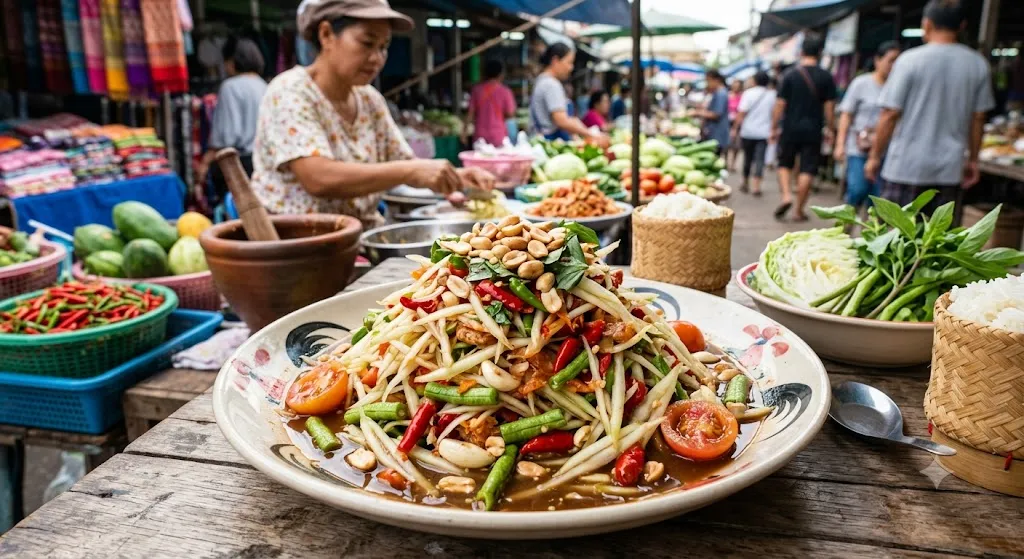
3. Thai Cuisine — Where Precision and Heat Are the Same Thing
Thai cuisine ranks third not because it is slightly less spicy than the top two, but because the heat, while genuinely high, is more strategically distributed. The som tam pla ra of northeastern Isan — fermented fish, bird’s eye chilies, and unripe papaya — is as aggressive as anything in Sichuan cooking. But a Thai meal at the same table might include a coconut-milk-based curry that carries sweetness alongside the heat, and a noodle soup where the chili is added at the table rather than built in.
That distribution is a feature, not a weakness. It is part of why Thai food balances flavors better than almost any other cuisine — heat is one instrument in a larger composition, not the whole song. Bird’s eye chilies, which register between 50,000 and 100,000 Scoville heat units, appear in Thai cooking at frequencies that would qualify as extreme in virtually any other food culture. They show up raw in som tam, cooked into nam prik pastes, fried into stir-fries, and blended into curry pastes that form the base of dishes across the full cuisine.
The Isan region is the heat center. If the ranking were built on Isan cooking alone, Thailand might compete for first. The full cuisine, including central and southern Thai cooking, sits at genuinely high heat with more internal variation than Ethiopia or Sichuan.
The verdict: the most flavor-complex heat system on the list, with breadth and frequency high enough to rank third even accounting for its internal variation.
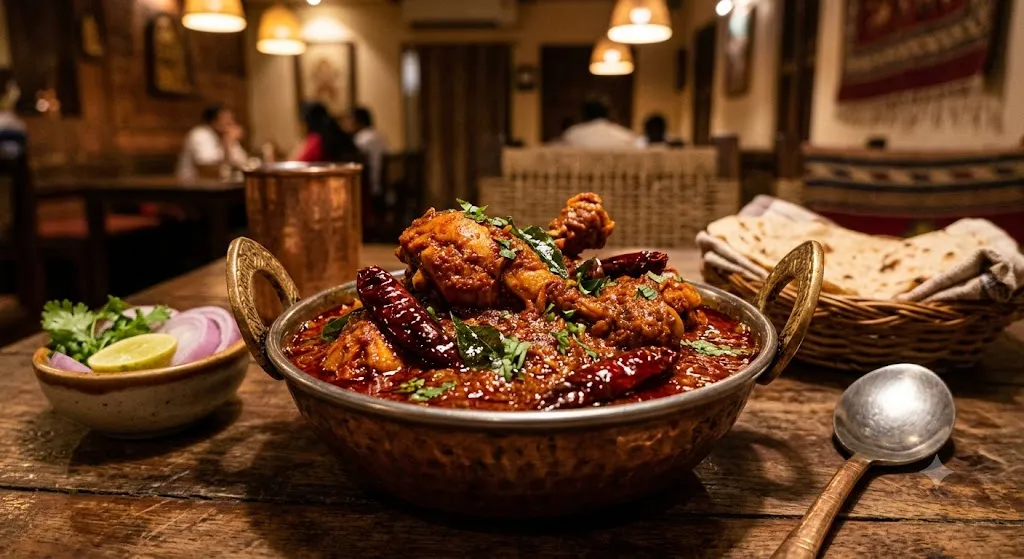
4. Indian Cuisine — Ten Million Home Kitchens Running at Full Heat
Indian cuisine ranking fourth will disappoint people who expected it higher. The ranking reflects one honest complication: India is enormous, and its food is not one cuisine. The cooking of Kashmir, Kerala, Rajasthan, Andhra Pradesh, and the northeast are as different from each other as French cooking is from Hungarian.
What earns India the fourth position is Andhra Pradesh, where the baseline heat in everyday cooking is among the highest of any regional cuisine in the world, and the fact that even in moderate Indian cooking, dried red chilies, green chilies, and chili powder appear in quantities that most other cuisines would reserve for their hottest dishes.
Indian cooking’s distinction is that it layers heat — dried chili in the tempering oil, green chili in the dal, chili powder in the masala — so that capsaicin compounds come from multiple stages of the cooking process rather than one. It is the same principle that makes Indian food taste so complex at every level of the recipe, not just the finish. The result is a cumulative heat that builds through a meal rather than arriving at the first bite.
The verdict: extraordinary heat breadth when you take the full subcontinent, with specific regional pockets that would rank first on any list if evaluated alone.
5. Korean Cuisine — Spicier Than Its Reputation, But Not Where You Think
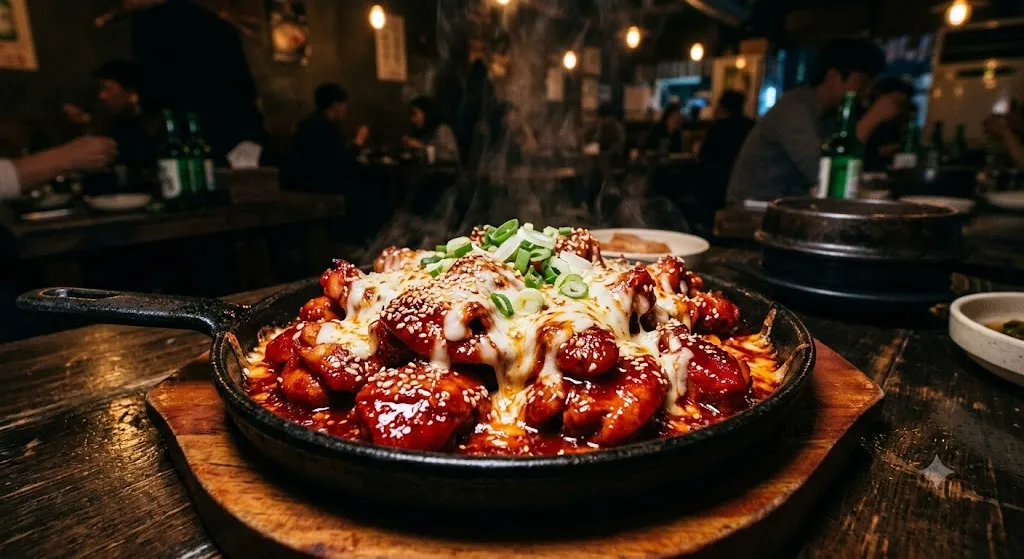
Korean cuisine sits in the middle of this list for a specific reason: gochugaru and gochujang are central to the cuisine, but the heat they deliver is moderate by the standards of the top four. Korean chili flakes register between 1,000 and 8,000 Scoville heat units — genuinely warm, but not the concentrated high-capsaicin cooking of Sichuan, Thai, or Andhra cuisine.
What Korean cooking does with that moderate-heat ingredient is apply it with extraordinary frequency. Kimchi ferments in gochugaru for weeks before it reaches the table. Tteokbokki, the ubiquitous rice cake street snack, swims in gochujang. Korean fried chicken, army stew, bibimbap, cold noodles — the chili paste runs through the cuisine like a thread.
The dish that most underestimates Korea is buldak, fire chicken, which uses a concentrated gochugaru sauce that jumps the heat level far above the cuisine’s baseline. But buldak is not representative of everyday Korean eating. It is the ceiling, not the floor.
The verdict: wide breadth of chili application at moderate-to-warm heat levels, with a ceiling that genuinely surprises, ranking fifth because frequency without intensity cannot overtake cuisines where both are high.
6. Mexican Cuisine — The Heat Lives in the Salsa, Not the Dish
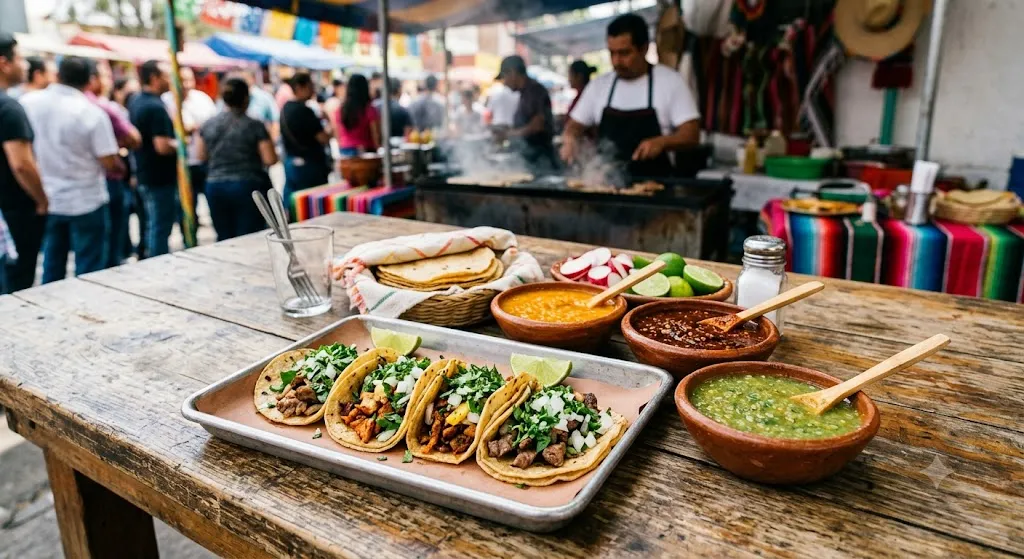
Mexican cuisine’s placement at six will be the most contested ranking on this list, and the defense of it sits in Section 7. The short version: Mexican cooking is extraordinarily complex, and chili is central to it, but the heat in most traditional Mexican dishes is carried by the salsa served alongside, not built into the dish itself.
A mole negro from Oaxaca contains upward of thirty ingredients and multiple dried chili varieties, but the resulting dish is complex and earthy more than hot. The heat in a proper taco al pastor comes from the salsa verde or salsa roja added at the table, not the adobo marinade.
The exception is Yucatecan cuisine, where habanero appears in quantities that place certain dishes among the genuinely dangerous eating experiences on this continent. Habaneros register between 100,000 and 350,000 Scoville heat units, and a cochinita pibil served with habanero salsa in Mérida is not a mild dish by any standard.
The verdict: a chili-forward cuisine where the heat is often architectural but frequently external to the dish, ranking sixth because of that consistent distribution pattern.
7. West African Cuisine (Nigeria / Ghana) — The Scotch Bonnet Baseline
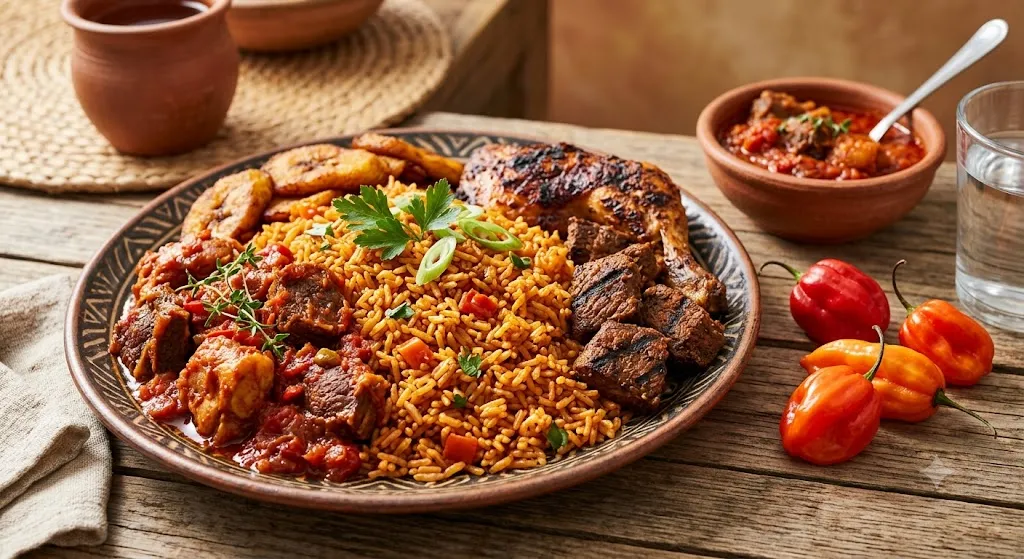
West African cooking, particularly Nigerian and Ghanaian cuisine, is built around scotch bonnet peppers in a way that is rarely acknowledged in Western food media. Scotch bonnets register between 100,000 and 350,000 Scoville heat units — comparable to habaneros — and they appear in the pepper base that forms the foundation of most Nigerian stews, soups, and rice dishes.
Jollof rice cooked for a Nigerian household is built on a blended base of scotch bonnets, tomatoes, and onions that is cooked down before the rice is added. The heat is in the foundation, not added at the table. Egusi soup, suya spice, and pepper soup take a similar approach.
What keeps West African cuisine at seven rather than higher is that the heat, while high and consistent, relies on a narrower range of chili types than the cuisines above it. The scotch bonnet does most of the work. The layered heat-building of Indian or Sichuan cooking, where multiple chili formats and other heat compounds combine, is less present.
The verdict: a genuinely spicy cuisine that deserves more recognition in global spice conversations, ranking seventh because of pepper variety rather than heat intensity.
8. Jamaican Cuisine — One Pepper, Used With Conviction
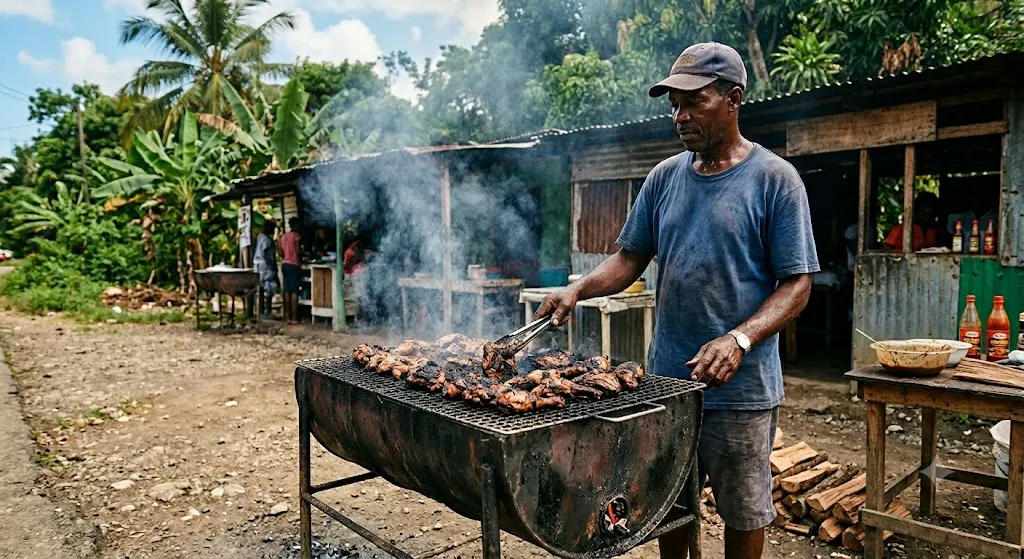
Jamaican cuisine’s heat comes almost entirely from one source: scotch bonnet peppers, used in jerk seasoning, pepper sauces, and curry preparations. The scotch bonnet’s fruity, almost floral heat is distinctive — less linear than a bird’s eye chili, with a sweetness that arrives before the burn and a finish that lingers longer than most high-heat peppers.
Jerk chicken from a roadside barrel in Jamaica is a specific eating experience that most people underestimate before they encounter it. The scotch bonnet in a proper jerk marinade is not background heat. It is the point.
What limits Jamaican cuisine’s ranking is the same thing that makes it singular: the heat system is built around one pepper applied through a relatively consistent set of preparations. The breadth across the full cuisine is narrower than the cuisines ranked above it.
The verdict: one of the world’s most distinctive heat experiences, ranking eighth because of breadth rather than intensity.
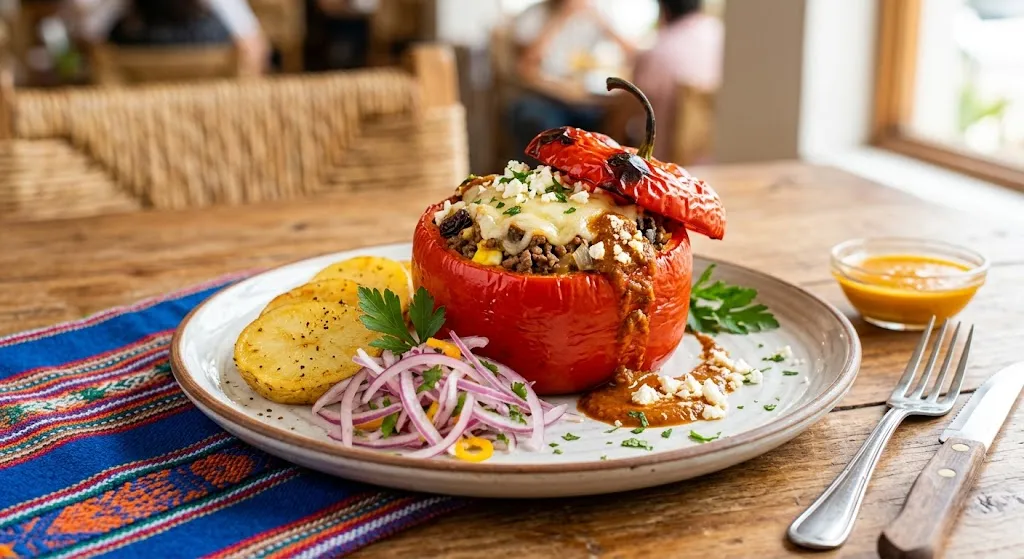
9. Peruvian Cuisine — Aji Heat With Extraordinary Range
Peru is the world’s center of chili biodiversity, and its cuisine reflects that in ways that are genuinely underappreciated outside South America. Aji amarillo, aji panca, aji rocoto, and aji limo appear across Peruvian cooking in different preparations, and the rocoto in particular — a thick-fleshed, apple-shaped chili — carries serious heat.
Peruvian cuisine ranks ninth because the heat, while real and varied, is not applied at the frequency of the cuisines above it. A ceviche with aji amarillo leche de tigre is genuinely hot. Much of the surrounding Peruvian table is warm to moderate.
The verdict: the most diverse chili vocabulary of any cuisine on this list, ranking ninth because diversity of ingredient does not equal frequency of heat application.
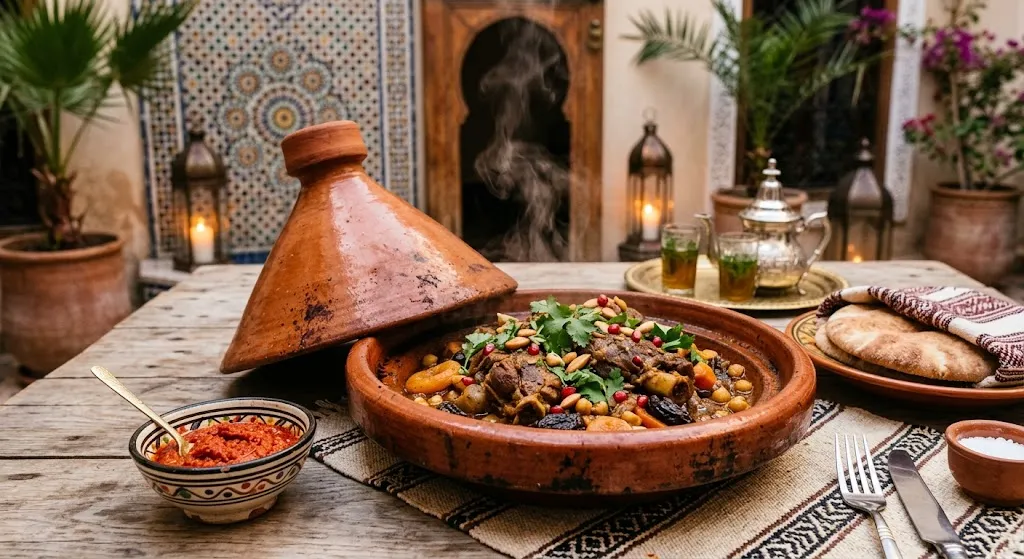
10. Moroccan Cuisine — The Slow Burn That Earns Its Place
Moroccan cuisine at tenth is a surprise to readers who categorize North African food as mild. Harissa — a paste of dried chilies, garlic, caraway, and coriander — appears alongside nearly every Moroccan meal and is incorporated into many dishes directly. The heat is moderate in Scoville terms but persistent and cumulative.
What earns Morocco the final position over other contenders is the consistency of harissa’s presence across the cuisine. This is not a cuisine where heat is optional or occasional. It is there at the table, in the tagine, and in the chermoula, across most of the cuisine’s geography.
The verdict: warmer than its reputation suggests, ranking tenth for moderate-but-consistent heat that earns it a place on any honest spice list.
The Full Ranking at a Glance
| Rank | Cuisine | Key Strength | Defining Element | Heat Experience |
|---|---|---|---|---|
| 1 | Ethiopian | Heat in every base | Berbere spice paste | Layered, sustained, unavoidable |
| 2 | Sichuan (China) | Numbing + burning | Mala (chili + Sichuan peppercorn) | Neurologically unique |
| 3 | Thai | Precision + frequency | Bird’s eye chili, nam prik | Strategic and cumulative |
| 4 | Indian | Layered heat sources | Dried, fresh, and powdered chili combined | Builds through the meal |
| 5 | Korean | Breadth of application | Gochugaru and gochujang | Warm and pervasive |
| 6 | Mexican | Salsa-forward heat | Habanero (Yucatán), dried chili moles | External but intense |
| 7 | West African | Scotch bonnet base | Pepper stew foundation | High, consistent, focused |
| 8 | Jamaican | Jerk tradition | Scotch bonnet marinade | Fruity heat with long finish |
| 9 | Peruvian | Chili biodiversity | Aji rocoto, aji amarillo | Varied but less frequent |
| 10 | Moroccan | Consistent accompaniment | Harissa paste | Moderate, cumulative |
What Almost Made the List — And Why It Did Not
Sri Lankan cuisine came very close. The coconut milk curries of the coast carry bird’s eye chilies at concentrations comparable to Thai cooking, and the island’s cooking has a heat baseline that surpasses most cuisines not on this list. It narrowly missed because its heat breadth across the full cuisine is slightly narrower than the top ten.
Hunanese cuisine (China) is arguably spicier than Sichuan in raw chili frequency — Hunan cooking uses fresh and dried chilies without the numbing counterpoint of Sichuan peppercorn, meaning the heat is more direct. It is not listed separately because this ranking treats Chinese regional cuisines as part of a broader entry, and Sichuan was selected as the representative for its technical complexity.
Yemenite cuisine uses zhug, a fresh chili and herb paste, across almost every meal. It is genuinely underrepresented in global spice conversations and would rank comfortably on an expanded list.
Bhutanese cuisine deserves a mention specifically for ema datshi, a dish of chilies and cheese where the chili is the vegetable, not the seasoning. Bhutan is one of the few places on earth where chilies function as a primary ingredient rather than a flavoring.
Why Mexican Cuisine Is Not in the Top Five — And Why That Ranking Stands
The most likely objection to this list is Mexico’s placement at six. Mexican food is chili food. The argument for a higher ranking is obvious.
Here is the counterargument, stated plainly.
Traditional Mexican cooking is one of the most sophisticated chili-forward cuisines on earth, but sophistication and heat are not the same thing. The chilies in a mole negro — ancho, mulato, pasilla, chipotle — are dried, toasted, and combined in ways that develop deep flavor with moderate heat. The goal of a mole is not to be hot. The goal is to be complex. That is a culinary achievement, not a downgrade. It simply does not rank at number one on a heat list.
The heat in Mexican cuisine largely lives in the salsa, which is added at the table and is genuinely, sometimes dangerously, hot. But a ranking of cuisines measures how the cuisine delivers heat, not how hot the optional condiment can get.
The Yucatecan exception with habanero is real, noted in the entry, and acknowledged. It is a regional exception in a large and varied food culture, not the rule of the cuisine.
Anyone who has eaten their way through a full traditional Mexican meal — from antojitos through the main dish — knows that the cooking itself, divorced from the salsa, is not in the same heat tier as Ethiopian, Sichuan, or Thai cooking. The ranking reflects that honestly.
How to Use This Ranking When You Actually Sit Down to Eat
This list is most useful if you approach it as a spice progression rather than a competition.
If you are building your tolerance for heat, start at the bottom of this list. Moroccan harissa and Korean gochujang are excellent entry points — consistent enough that your palate adapts, not so aggressive that the experience is unpleasant. Move upward.
If you are traveling and want to eat honestly in a cuisine rather than in its tourist-adjusted version, ask specifically for the local version. In Thailand, that means specifying that you do not want it mild. In Ethiopia, it means ordering doro wat or tibs without hedging. In Sichuan, it means asking for the mapo tofu as it would be made for a local table.
If you are cooking at home, this list is a roadmap for stocking a real chili pantry. Ethiopian berbere, Sichuan doubanjiang, Thai bird’s eye chilies, Indian Kashmiri and Byadagi chili varieties, Korean gochugaru — these are not interchangeable, and each one opens a different approach to heat.
The specific insight this ranking offers: if you want to understand what makes a cuisine spicy, eat its breakfast. Ethiopian firfir, Sichuan dan dan noodles, Thai jok with nam prik, a Korean morning side of kimchi — the morning meal is the most honest signal of a cuisine’s actual heat baseline.
The Bottom Line
A ranking of the world’s spiciest cuisines, built honestly, ends up being a ranking of how central heat is to a cuisine’s identity. Ethiopia and Sichuan rank first and second not because they produce the hottest individual dishes but because they have built capsaicin into the logic of their cooking in ways that leave nowhere to hide.
That distinction matters beyond the ranking. It suggests that the cuisines most associated with heat in Western food media — often Mexican and Indian — are widely recognized because they are widely eaten, not because they are categorically hotter. Ethiopia and Sichuan remain underrepresented in international food culture relative to how they actually eat at home.
What this list ultimately reveals is that spice, in its most interesting form, is not about extremity. It is about integration. The cuisines at the top of this ranking did not add heat to their cooking. They built their cooking around heat. That is a fundamentally different relationship with the ingredient, and it produces a fundamentally different experience at the table.
People Also Ask
What is the spiciest cuisine in the world?
Ethiopian cuisine is the spiciest in the world when ranked by frequency of capsaicin use across everyday dishes. The spice paste berbere, which contains dried red chilies as its dominant ingredient, forms the base of most Ethiopian stews, lentil dishes, and meat preparations — meaning heat is present across nearly every dish in the cuisine rather than in a few outliers.
Is Indian food spicier than Thai food?
When comparing the full cuisines, Thai food typically produces a higher sustained heat experience for most diners, though specific regional Indian cooking — particularly from Andhra Pradesh — surpasses Thai heat levels significantly. The difference is distribution: Andhra cooking is extremely hot across its range, while the rest of Indian cooking varies widely from mild to moderate. Thai cooking maintains high heat more consistently across its full geography.
Why does Mexican food taste so spicy if it is only ranked sixth?
Mexican food tastes intensely spicy largely because of the salsas served alongside dishes, which are often made with habanero or serrano chilies at genuinely high heat levels. The dishes themselves use dried chilies primarily for flavor and complexity. This is a meaningful culinary distinction: the cuisine is not mild, but its heat delivery system is different from cuisines where high-capsaicin chilies are cooked into every dish from the base.
Is Sichuan food really as numbing as people say?
Yes, and the mechanism is specific. Sichuan peppercorns contain hydroxy-alpha-sanshool, a compound that triggers nerve receptors responsible for detecting light touch and vibration, producing a genuine tingling and numbing sensation. Combined with the burn of dried facing heaven chilies, the result is an experience that is neurologically unlike ordinary chili heat. Mapo tofu and Sichuan hotpot deliver this combination at its most concentrated.
What is the mildest cuisine on this list?
Moroccan cuisine ranks last on this list, making it the most approachable entry point for anyone building heat tolerance. Harissa provides consistent warmth rather than intensity, and much of Moroccan cooking uses spices like cumin, coriander, and cinnamon that add complexity without capsaicin heat. The cuisine is warmer than most Western readers expect, but it is genuinely mild compared to the top five.
Is Korean food getting spicier, or has it always been this way?
Korean cuisine’s relationship with chili is relatively recent in historical terms. Chili peppers arrived in Korea via Portuguese traders in the late 16th century, and gochugaru became central to Korean cooking over the following two centuries. The intensity of modern Korean chili use in dishes like buldak represents a contemporary escalation, partly driven by social media food challenges, that goes beyond the cuisine’s traditional baseline.
Which spicy cuisine should a first-timer try?
Korean cuisine is the most accessible entry point for someone new to spicy food. Gochugaru and gochujang deliver consistent, warm heat with sweetness and fermented depth that makes the spice feel inviting rather than aggressive. From there, Thai cooking represents a natural progression — bird’s eye chili heat is sharper and more direct, but the cuisine’s balance of sweet, sour, salty, and spicy gives the palate context for the heat rather than presenting it in isolation.
Sources and References
This ranking reflects TasteHavenDaily’s editorial assessment based on culinary research, cross-cultural comparison, and analysis of chili variety characteristics. Scoville heat unit ranges referenced for bird’s eye chilies, habaneros, scotch bonnets, and gochugaru reflect widely reported figures from food science literature. The characterization of hydroxy-alpha-sanshool’s neurological effects draws from research published in food chemistry journals including work by researchers at the University of California, San Diego on TRP channel activation.
Readers seeking deeper sourcing on specific Scoville measurements are directed to the Chile Pepper Institute at New Mexico State University, which maintains research-backed heat data for documented chili varieties.