Most of the cheese in your fridge did not exist a century ago. But a handful of cheeses being made right now follow a process that has barely changed in over a thousand years, and in one case, closer to two thousand. That is not marketing language. It is a documented, traceable production method.
Pecorino Romano, Roquefort, and a small alpine cheese called Storico Ribelle are still made using techniques that predate refrigeration, pasteurization, and in some cases, the printing press. Understanding why they have survived this long is not really a story about tradition for its own sake. It is a story about chemistry that happened to work, and communities that had no reason to change it.
The Short Version of a Long Answer
- Pecorino Romano has been made in central Italy since Roman military rations required a hard, salty, long-lasting cheese, and the same rennet-based process is still used today.
- Roquefort depends on a specific mold, Penicillium roqueforti, that occurs naturally in the limestone caves of Roquefort-sur-Soulzon, France, a geographic condition that cannot be replicated elsewhere.
- Storico Ribelle, from the Valtellina valley in northern Italy, is legally required to be made with raw milk, no additives, and a copper cauldron over an open fire, which is why it can age for over a decade without spoiling.
- The oldest confirmed cheese ever found is roughly 3,600 years old, discovered on mummies in China’s Taklamakan Desert, and DNA analysis published in 2024 identified it as a kefir-style fermented dairy product.
- What keeps these cheeses in production is not sentiment. It is that salt, acid, and specific microbes solved a preservation problem long before anyone understood the biochemistry behind it.
Why Salt and Geography, Not Tradition, Explain These Cheeses
Cheese survives history for the same reason it was invented in the first place: milk spoils in hours, but salted, pressed, aged milk solids can last for years. That single fact of food chemistry shaped where the oldest surviving cheeses come from.
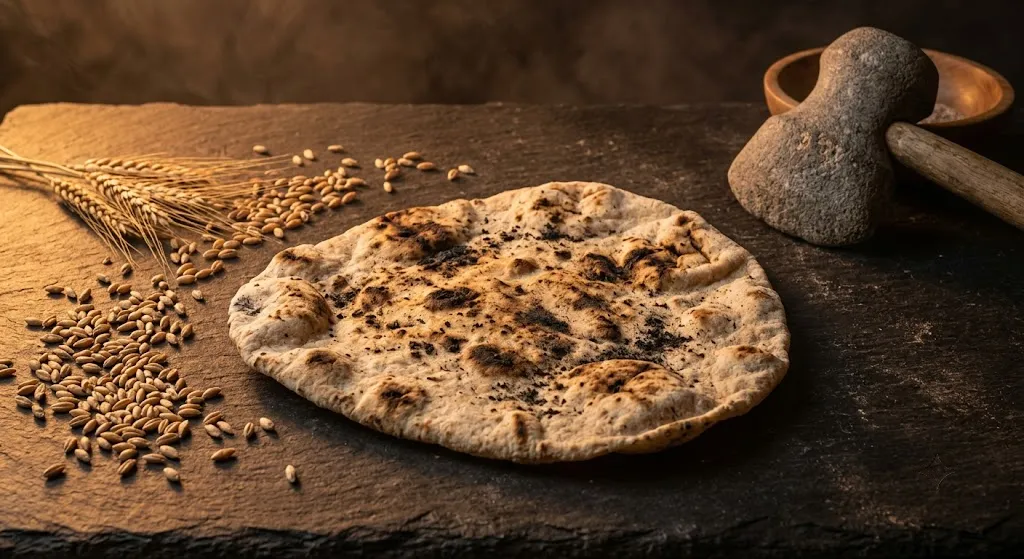
Central Italy’s dry climate and access to sheep pasture made a hard, salted sheep’s milk cheese practical long before refrigeration existed. Pecorino Romano was part of the standard ration for Roman legionaries precisely because it traveled well and did not require cold storage, a detail documented in Roman agricultural writing from the first century. That same military logistics problem shaped other durable ancient foods, which is also why bread became one of the ingredients that shaped early civilizations rather than a modern convenience food.
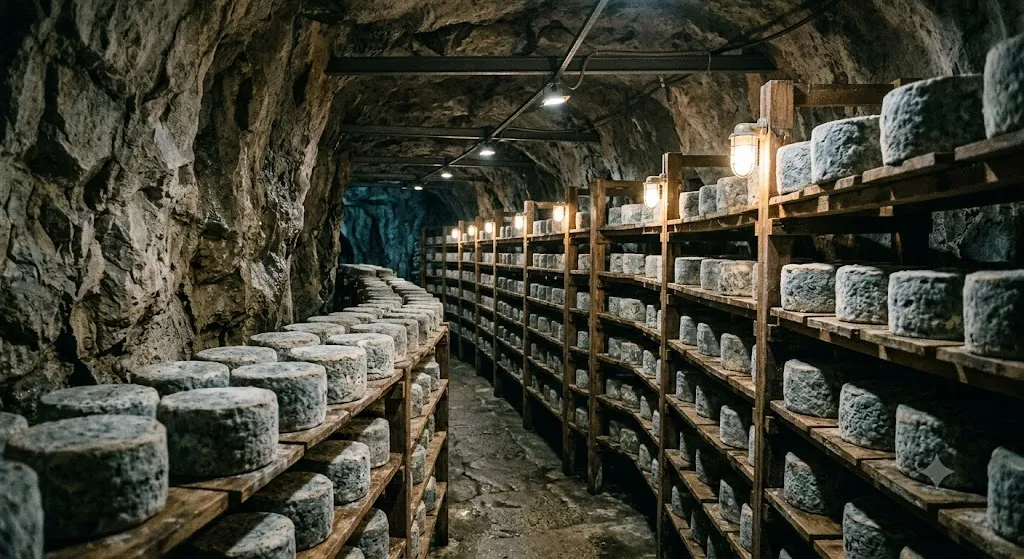
Roquefort’s origin is even more geographically specific. The caves of Combalou, near the village of Roquefort-sur-Soulzon in southern France, maintain a narrow, naturally humid microclimate that hosts a wild strain of Penicillium mold. Cheesemakers did not engineer this mold. They found a cave where it already lived and built a cheese around it, according to the Wikipedia entry on the history of cheese, which traces named European cheeses back through Roman and medieval records.
Storico Ribelle, the youngest of these three by name but arguably the most rigid in method, exists because a small group of producers in the Bergamo Alps refused to modernize when regulation pushed toward standardized feed and additives. Twelve producers still make it exactly as their predecessors did, which is the opposite of most food history, where efficiency usually wins.
What Is Actually Happening Inside a Wheel of Aged Cheese
Cheese does not get more flavorful with age by accident. Three biochemical processes are doing the work, and they are the same three processes across nearly every hard aged cheese in the world.
Proteolysis is the breakdown of milk proteins, primarily casein, into smaller peptides and free amino acids. This is the single biggest driver of flavor intensity in an aged cheese. Research on Cheddar aging published in the Journal of Dairy Science shows that younger cheese tastes milky and mild because the proteins are still mostly intact, while aged cheese develops the nutty, sharp, sometimes sulfurous notes that come from those proteins finishing their breakdown into smaller, more flavor-active molecules.
Lipolysis is the parallel breakdown of milk fat into free fatty acids. This is what gives an aged Pecorino its peppery bite and what gives blue cheeses like Roquefort their piquant edge, since the mold accelerates fat breakdown far faster than aging alone would.
Glycolysis is the slower conversion of residual lactose and lactic acid during ripening, which affects both texture and the subtle sourness under the surface of an aged cheese.

Here is the part most cheese writing skips: these three processes only produce good flavor within a narrow window of moisture, salt, and temperature. Too much moisture and you get spoilage bacteria instead of flavor development. Too little salt and the same happens. Too much salt and enzymatic activity slows to a crawl and the cheese never develops complexity. The oldest surviving cheese recipes are, functionally, centuries of trial and error that landed on the exact ratios where these three chemical processes run safely and productively for years instead of days.
That is also why the value of certain aged and preserved foods became disproportionate to their raw ingredients. The same logic that made a well-aged wheel of cheese valuable is part of why pepper was once worth more than gold: preservation and concentration of flavor were expensive, technical achievements long before industrial food science existed.
The Cheeses That Actually Prove the Point
Pecorino Romano: Built for Soldiers, Still Made the Same Way
Pecorino Romano is a hard sheep’s milk cheese, salted heavily and aged for a minimum of five months, though wheels intended for grating are often aged over a year. It was documented as a staple ration for Roman soldiers because it did not spoil on long marches and delivered concentrated protein and fat in a small volume. The production method, curdling raw sheep’s milk with rennet, pressing the curd, then dry-salting the exterior repeatedly over weeks, has not fundamentally changed. What has changed is scale, not chemistry.

Roquefort: A Cheese That Cannot Be Made Anywhere Else
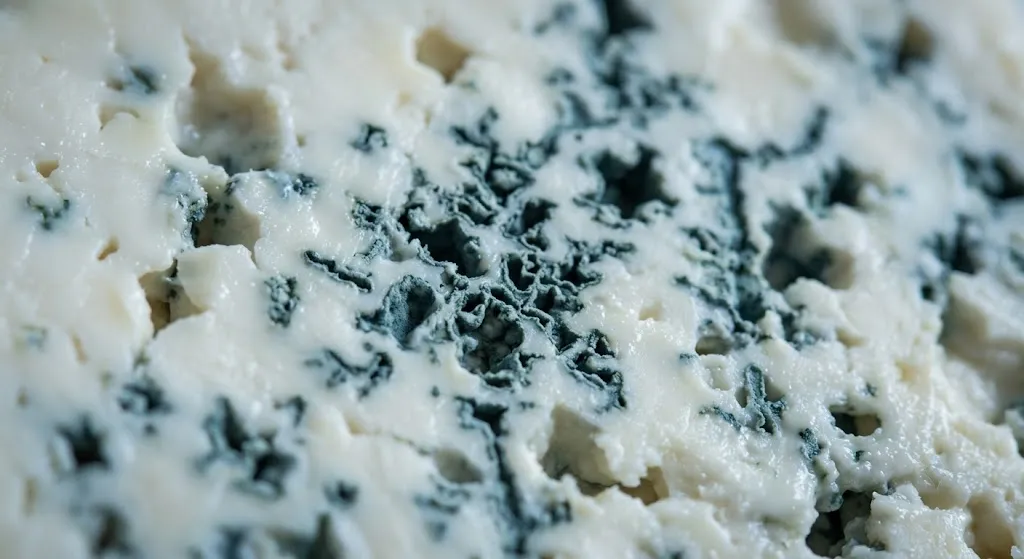
Roquefort is a raw sheep’s milk cheese aged in the natural limestone caves of Combalou, where cool, humid air moves through cracks in the rock and carries the specific Penicillium roqueforti spores that give the cheese its blue veining. Cheesemakers pierce the wheels to let air reach the interior, which lets the mold grow throughout rather than only on the surface. By law, Roquefort can only be aged in these specific caves, which means the geography is not a marketing detail. It is a legal and biological requirement.
Storico Ribelle: The Cheese That Refused to Modernize
Made in the Valtellina valley of the Bergamo Alps from a mix of cow and goat milk, Storico Ribelle is produced entirely on the mountainside during summer grazing months, cooked in copper cauldrons over wood fires, and aged for a minimum of 70 days, though most wheels are held for five to ten years. The higher the percentage of goat milk, the longer the wheel can safely age. Only twelve producers make it, all in the same valley, because the method depends on free-range grazing patterns and altitude that cannot be replicated at scale.
Gouda: A Cheese Old Enough to Predate the Printing Press
Gouda has documented references dating back to the 1100s, making it one of the oldest continuously named cheeses in Europe. Its dense, semi-hard texture comes from washing the curd in warm water during production, which removes some of the lactose and produces a milder, sweeter base flavor than most aged cheeses before ripening even begins.
Oldest Cheese by Age vs. Oldest Cheese Still in Production
| Cheese | Documented Origin | Still Produced Today | Defining Production Detail |
|---|---|---|---|
| Kefir-style cheese (Xiaohe Cemetery, China) | c. 1615 BCE | No, archaeological only | Confirmed by DNA sequencing in 2024, not an edible modern product |
| Pecorino Romano | c. 1st century BCE (Roman era) | Yes | Raw sheep’s milk, dry-salted, minimum 5 months aging |
| Gouda | Documented from the 1100s | Yes | Curd washed in warm water before pressing |
| Roquefort | Documented from Roman times, formalized in the Middle Ages | Yes | Aged only in Combalou limestone caves near Roquefort-sur-Soulzon |
| Storico Ribelle | Traditional method predates DOP regulation (formal name since 2016) | Yes, by only 12 producers | Copper cauldron, wood fire, minimum 70-day aging, up to 18 years |
How This Compares to Other Ancient Preserved Foods
Cheese is not the only ancient food that survived because of chemistry rather than nostalgia. Cured meats, fermented fish sauces, and dried grains all solved the same basic problem: how to keep food edible without refrigeration. What makes cheese different is that its preservation method also actively improves the flavor over time, rather than just slowing decay.
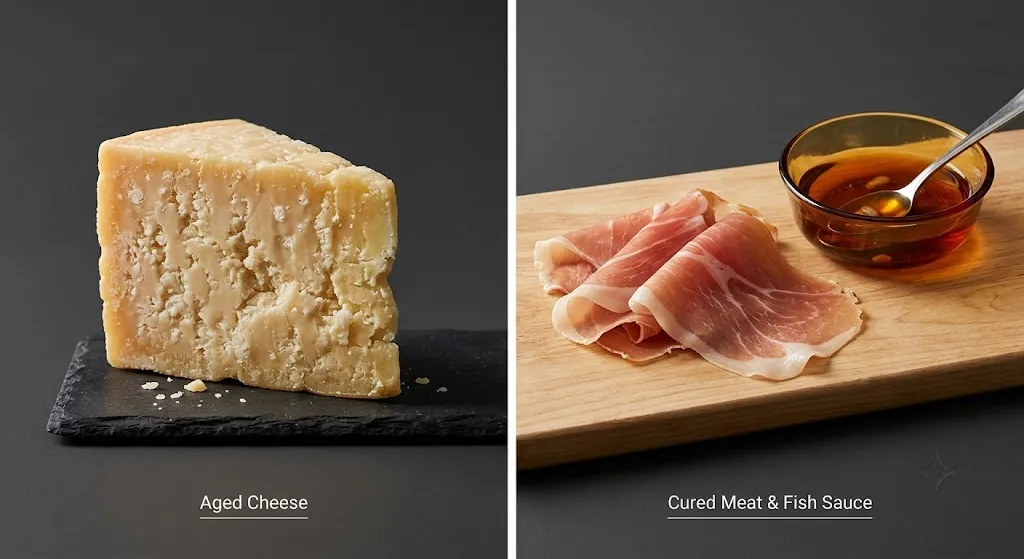
Roman food culture in particular treated preservation as a form of engineering, not an afterthought, which is visible in the street food culture of ancient Rome, where salted, cured, and aged foods were everyday staples rather than luxury items. France took a different path with its dairy traditions, building an entire culinary identity around fat and aging rather than salt alone, which is part of why French food developed such a rich, layered flavor profile centuries later.
Why the Origin Stories Get Complicated
Almost none of these cheeses have a single clean origin story, and cheese history is full of disputed claims. Gouda is named for the Dutch town where it was traded, not necessarily where it was first made. Roquefort’s exact discovery is more legend than record, with a popular but unverifiable story about a shepherd forgetting his lunch in a cave.
This pattern of a food being credited to the wrong place, or the wrong century, is common enough in food history that it is worth treating skeptically by default, the same way the true origin of the croissant turns out to be more complicated than the country most associated with it. The chemistry of these cheeses is well documented. Their exact founding legends usually are not.
What This Means Next Time You Buy Aged Cheese
If a wedge of Pecorino Romano or a wheel of aged Gouda seems expensive relative to a young, mild cheese, the price difference is not really about branding. It reflects months or years of storage, monitored humidity, and the labor of turning and salting wheels repeatedly during aging, all of which costs money and carries real spoilage risk the whole time.
One practical takeaway: a cheese labeled with a specific minimum aging period, rather than a vague marketing term like “aged,” is generally the more reliable signal of quality, because proteolysis and lipolysis need a defined minimum window to produce real flavor complexity rather than just texture change.
People Also Ask
What is the oldest cheese still being made today?
Pecorino Romano and Roquefort are both strong candidates, with production methods documented back to the Roman era. Storico Ribelle uses an unbroken traditional method as well, though its formal name is more recent. The oldest cheese ever physically found, dating to around 1615 BCE in China, is not edible or in production today; it exists only as an archaeological sample.
Why do some cheeses last for years without spoiling?
Salt, low moisture, and a controlled aging environment prevent the bacteria that cause spoilage while allowing beneficial enzymes and molds to continue breaking down proteins and fats. This combination is what makes long aging safe rather than risky.
Is older cheese always better cheese?
Not automatically. Aging past a cheese’s ideal window can produce excessive bitterness from over-broken-down proteins, or textural problems from moisture loss. Each cheese has an optimal aging range rather than a simple rule of “older is better.”
Why can Roquefort only be made in one region of France?
The specific strain of mold responsible for Roquefort’s blue veining occurs naturally in the limestone caves of Combalou. Producing the cheese anywhere else means using a different mold strain and cave environment, which legally and practically makes it a different cheese.
Do these ancient cheese-making methods still matter for modern cheese production?
Yes. Nearly all industrially produced aged cheese today still relies on the same three core processes, proteolysis, lipolysis, and glycolysis, that these older methods discovered through trial and error. Modern production just controls the variables more precisely.
The Bottom Line
The oldest cheeses still in production survived not because anyone was protecting tradition for its own sake, but because salt, specific molds, and controlled aging solved a real preservation problem better than almost anything else available at the time. The next time you cut into a wedge of Pecorino Romano or a wheel of Roquefort, what you are actually tasting is a multi-century experiment in food chemistry that never needed to be improved on, because it already worked.
Sources and References
- Chinese Academy of Sciences DNA analysis confirming the world’s oldest cheese, Xiaohe Cemetery, China (2024 study)
- Discriminating aging and protein-to-fat ratio in Cheddar cheese, Journal of Dairy Science
- History of cheese, general reference on named European cheeses and Roman-era cheesemaking records (search directly via Wikipedia)
- Bitto Storico / Storico Ribelle production details (search directly via Slow Food Foundation or regional Valtellina tourism sources)