Six months ago I bought a carbon steel skillet because someone on a cooking forum said it was better than cast iron. I already owned three cast iron pans at the time, two of them inherited and one I had seasoned myself over years of use. Buying a fourth pan to compete with cookware I already trusted felt a little unnecessary, but I wanted to know if that forum comment was actually true or just another internet opinion dressed up as fact. So I used both pans, every single day, for six months straight, and made myself figure out the answer instead of just repeating what I had read.
Why I Spent Six Months Using Both Pans Every Day
I had used cast iron for years and never questioned it. It was just the pan I reached for without thinking. Then I kept running into people online insisting carbon steel was lighter, heated faster, and was basically cast iron without the downsides. That is a big claim, and it did not match my own experience with either material well enough for me to just take it on faith.
So instead of reading five more articles about it, I decided to force both pans into daily rotation and see which one I actually reached for once the novelty of a new pan wore off. Going in, I expected cast iron to win on searing and carbon steel to win on convenience, and I expected the whole thing to be a fairly quick, obvious result. It was not that simple.
The Conditions of the Test
I cooked with both pans nearly every day for six months, alternating which one I used for a given meal so neither pan got an easier workload than the other. Both pans were seasoned the same way to start, using the same oil and the same stovetop method, so the seasoning itself was not a variable I had to account for separately.
What stayed consistent: the same stovetop, the same range of dishes, from searing meat to cooking eggs to finishing things in the oven. What was not controlled for, and I will admit this upfront, is that I did not weigh or measure heat-up time with a stopwatch every single day. Some of what follows is based on repeated, consistent observation rather than lab-level precision, and I think that is a fair way to test a pan that is actually going to live in someone’s kitchen rather than a lab.
The Results, Category by Category
Heat-Up Time: Carbon Steel Wins, Clearly
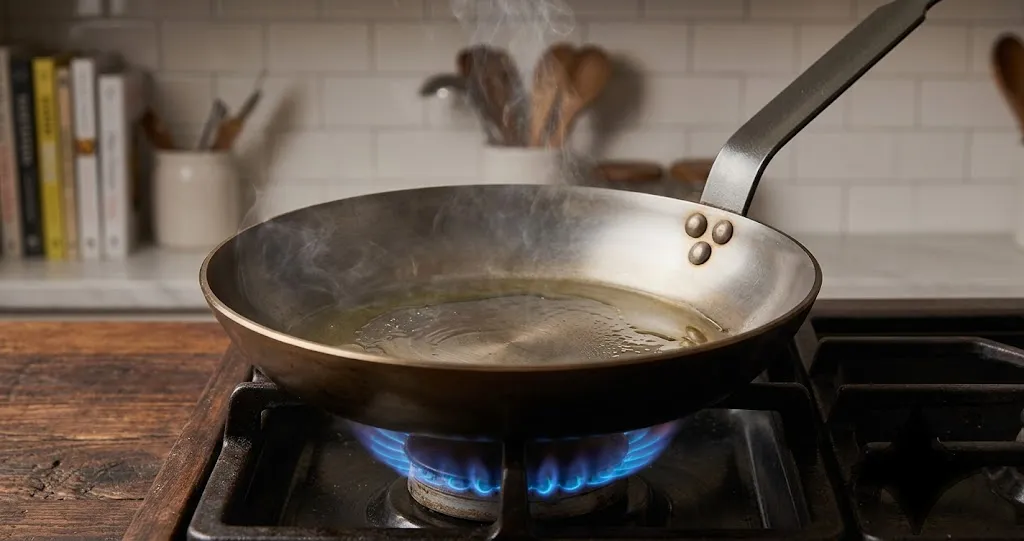
Carbon steel got hot noticeably faster every single time, and this was the most consistent result of the entire six months. Carbon steel is thinner than cast iron, which means less mass to heat through before the surface is actually ready to cook on. Cast iron takes real patience. You can rush it, but you will pay for that in uneven heat and a worse sear.
Carbon steel reached cooking temperature in roughly a third of the time cast iron did, based on how long I stood there waiting before either pan felt ready. That difference showed up every day, not just once.
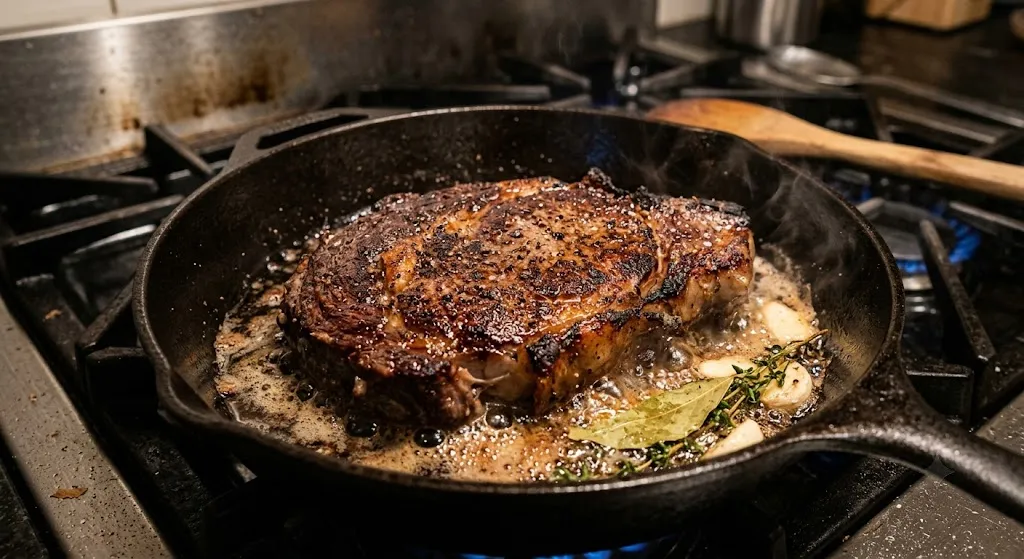
Searing Performance: Cast Iron Wins, Slightly
Cast iron produced a more consistent, deeper crust on meat, and I think that comes down to its heat retention rather than its heat-up speed. Once cast iron is hot, it stays hot even when a cold piece of meat hits the surface, because the extra mass holds temperature better than carbon steel does.
Carbon steel still seared well once it was fully preheated, but it lost heat faster the moment food touched it, which occasionally meant a slightly less even crust if I was not paying attention. This is the kind of result that shows up in a lot of cuisines built around aggressive high heat searing, and it is part of why Korean food gets so much of its flavor from fast, high-heat cooking in the first place. Heat retention matters as much as heat speed once food actually hits the pan.
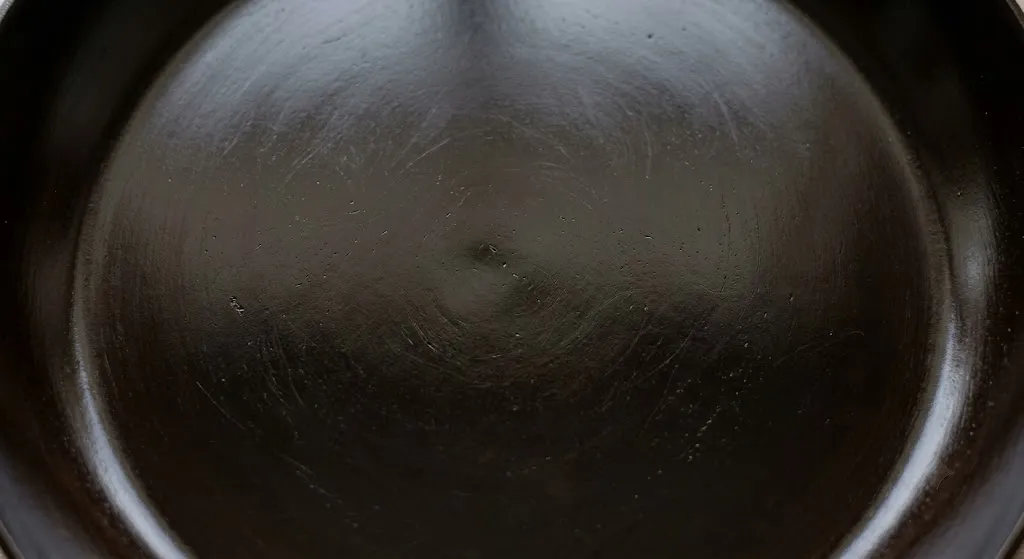
Seasoning Maintenance: Carbon Steel Wins
I did not expect this one. Carbon steel’s seasoning built up faster and felt more forgiving of small mistakes, like a slightly-too-long soak in soapy water or forgetting to dry it immediately. Cast iron, especially the older inherited pans, seemed to punish any lapse in care more severely, with visible dull or slightly rough patches showing up if I was not consistent.
I am not entirely sure if this difference comes down to the specific pans I own rather than the materials themselves, since seasoning quality can vary a lot pan to pan. But over six months, carbon steel was simply easier to keep looking and performing well.
Weight and Handling: Carbon Steel Wins, Clearly
This is the one where the forum comment was completely right. Carbon steel is noticeably lighter, and after six months of daily use, that difference stopped being a minor convenience and started being something I actually factored into which pan I grabbed on a busy weeknight. Flipping food, tilting the pan to move oil around, one-handed movements in general, all of it was easier with carbon steel.
Cast iron’s weight is part of what gives it that heat retention advantage, so this is not really a flaw. It is a tradeoff, and depending on your wrists and your patience, it might matter more or less to you than it did to me.
Oven Performance: Tie
Both pans performed almost identically in the oven, which makes sense since neither one has anything on the handle to melt or warp at high, sustained heat. I did not find a meaningful difference here worth overstating.
Long-Term Durability: Too Early to Fully Call, Leaning Cast Iron
Six months is not enough time to properly judge decades of durability, and I want to be honest about that rather than pretend this test settled it. What I can say is that my inherited cast iron pans have survived far longer than six months already, in some cases longer than I have been alive, which is a kind of evidence in itself even if it is not from this specific test. Carbon steel has a reputation for similar longevity, but I have not personally had one long enough to confirm it firsthand.
The Head-to-Head Comparison
| Category | Carbon Steel | Cast Iron | Winner |
|---|---|---|---|
| Heat-up time | Roughly a third of the time | Slow, needs patience | Carbon Steel |
| Searing performance | Good once preheated, loses heat faster | Deeper, more consistent crust | Cast Iron |
| Seasoning maintenance | Forgiving, builds up fast | Punishes inconsistent care | Carbon Steel |
| Weight and handling | Noticeably lighter, easier one-handed use | Heavy, more effort to maneuver | Carbon Steel |
| Oven performance | No meaningful difference | No meaningful difference | Tie |
| Long-term durability | Reputation is strong, unconfirmed personally | Proven over generations in my own kitchen | Cast Iron (early lean) |
So Which One Actually Won
Carbon steel won more categories, but cast iron won the one that matters most to me personally, which is searing. That is the honest, slightly unsatisfying answer, and I think it is the correct one rather than picking a side just to have a clean headline.
If you cook a lot of eggs, vegetables, and quick weeknight meals where speed and lighter handling matter, carbon steel is going to feel like the better pan almost immediately. If a deep, reliable sear on meat is the thing you care about most, cast iron still has an edge, and that edge comes directly from its extra mass rather than anything carbon steel is doing wrong.
What I actually use now is both, which is probably an unsatisfying answer if you were hoping I would tell you to get rid of one. Carbon steel has become my default for most weeknight cooking, and cast iron comes out specifically for steaks and anything I want a hard crust on.
What I Wish I Had Known Before Starting
I wish I had known that carbon steel needs a slightly different seasoning rhythm than cast iron, especially early on, rather than assuming the same routine that worked for years of cast iron would transfer directly. The first few weeks with the new pan were rougher than they needed to be because I treated it like a lighter cast iron pan instead of its own thing.
I also wish I had not gone into this expecting one clear winner. The more honest framing from the start would have been asking which pan fits which job, not which pan is simply better.
The Bottom Line
Carbon steel and cast iron are not really competing for the same job, even though they get compared constantly. Carbon steel wins on speed, weight, and everyday convenience. Cast iron wins on raw heat retention and the kind of sear that a lighter pan struggles to fully match. After six months of using both every day, I did not end up with a favorite. I ended up with two pans that earned different spots in the same kitchen.
People Also Ask
Is carbon steel actually better than cast iron?
It depends on what you are cooking. Carbon steel heats faster and is lighter, which makes it better for everyday cooking, while cast iron holds heat longer and tends to produce a deeper sear on meat.
How long does it take for carbon steel to season properly?
In my experience, carbon steel built up a usable, non-stick seasoning layer faster than cast iron did, often within the first few weeks of regular use, though a fully mature seasoning still takes months of consistent cooking and care.
What is the actual difference between carbon steel and cast iron?
The core difference is thickness and mass. Carbon steel is thinner and lighter, so it heats up and cools down faster, while cast iron is thicker and heavier, giving it stronger heat retention once it gets hot.
Which pan is easier to maintain, carbon steel or cast iron?
In my six months of daily use, carbon steel was more forgiving of small maintenance mistakes, while cast iron seemed to show wear more quickly if the seasoning routine slipped even slightly.
Do I need both carbon steel and cast iron in my kitchen?
Not necessarily, but after using both daily for six months, I ended up keeping both because they genuinely serve different purposes. If you can only choose one, think about whether speed and weight or heat retention and searing matter more to your everyday cooking.
If you have used both pans yourself, or you are stuck deciding between them, I want to hear about it. Tell me in the comments which one you reached for first once the honeymoon phase wore off, and whether your experience matched mine or completely contradicted it.