I grew up eating rice almost every single day and somehow still could not tell you, with any real confidence, what actually separates a good pulao from a mediocre one, or why my jeera rice never tastes quite like my mother’s. So I gave myself one week, seven days, one rice dish a day, no repeats, to actually understand what I had been eating my whole life instead of just eating it.
Why I Decided to Cook Every Major Rice Variety in One Week
The idea came from a fairly small, slightly embarrassing moment. I was trying to explain to a friend who does not cook Indian food why biryani and pulao are not the same thing, and I realized halfway through the explanation that I was not actually sure I could defend the difference beyond “one has more spices.” That bothered me more than it probably should have.
India has an enormous range of rice dishes, and most of them are treated, from the outside, as basically interchangeable versions of “Indian rice.” I wanted to actually cook a real spread of them back to back, close enough together that the differences in technique and flavor would be obvious rather than something I was recalling from memory. Going in, I expected biryani to be the hardest and khichdi to be the easiest. I was mostly right about that, but not for the reasons I expected.
The Setup and Conditions
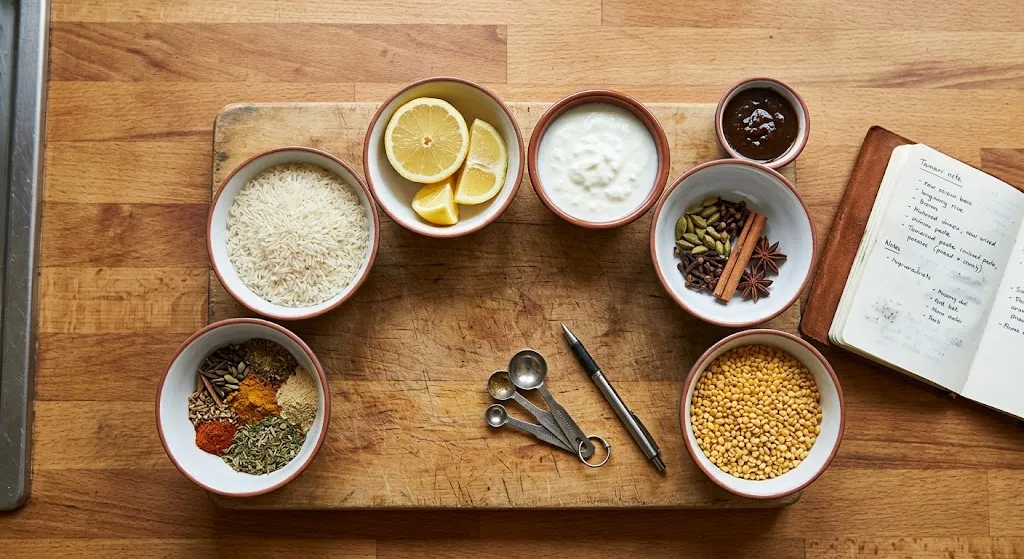
I picked seven dishes meant to span different regions and different techniques rather than seven variations on the same idea: Hyderabadi-style biryani, a basic vegetable pulao, jeera rice, South Indian curd rice, lemon rice, tamarind rice, and khichdi. One dish a day, cooked fresh each time rather than batching anything in advance, so each one got my full attention on its own day.
I used the same brand and grade of basmati rice throughout wherever the dish called for basmati, and a shorter-grain rice for the dishes that traditionally use it, like curd rice. I did not standardize spice quantities across dishes, since half the point was letting each dish be itself rather than forcing them into one template. What I did keep consistent was cooking each dish from scratch, including whole spice tempering where relevant, rather than shortcuts like pre-made spice mixes.
I will say upfront that seven days is not really enough time to master seven completely different techniques. Some of what follows is a first honest attempt rather than a polished, repeated result, and I think that is actually a more useful thing to read than if I had quietly practiced each dish five times before writing about it.
What Actually Happened, Day by Day
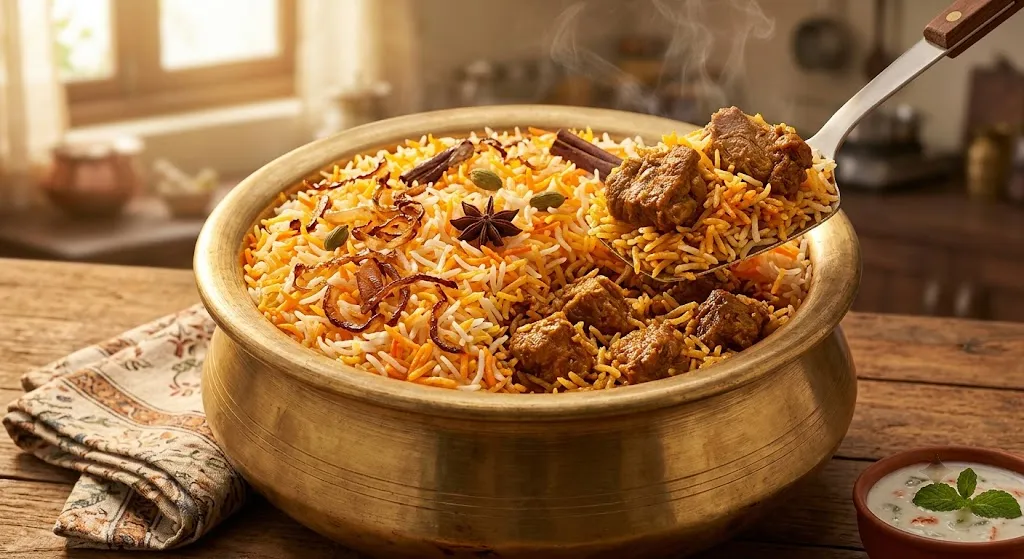
Day 1: Hyderabadi Biryani
I started with the hardest one on purpose, mostly because I did not want six easier days to build false confidence before hitting the dish I was most nervous about. Layering partially cooked rice over marinated meat and getting the dum right, sealing the pot so the steam does everything without burning the bottom layer, is genuinely a technique that takes real attention. My first attempt had a slightly scorched layer at the very bottom of the pot, which told me my heat was a touch too high during the final sealed cooking stage.
Even with that flaw, the top two thirds of the pot were genuinely excellent, with rice that had taken on flavor without turning mushy. It became obvious very quickly why biryani has such a specific and debated history behind it. This is not a dish that happens by accident.
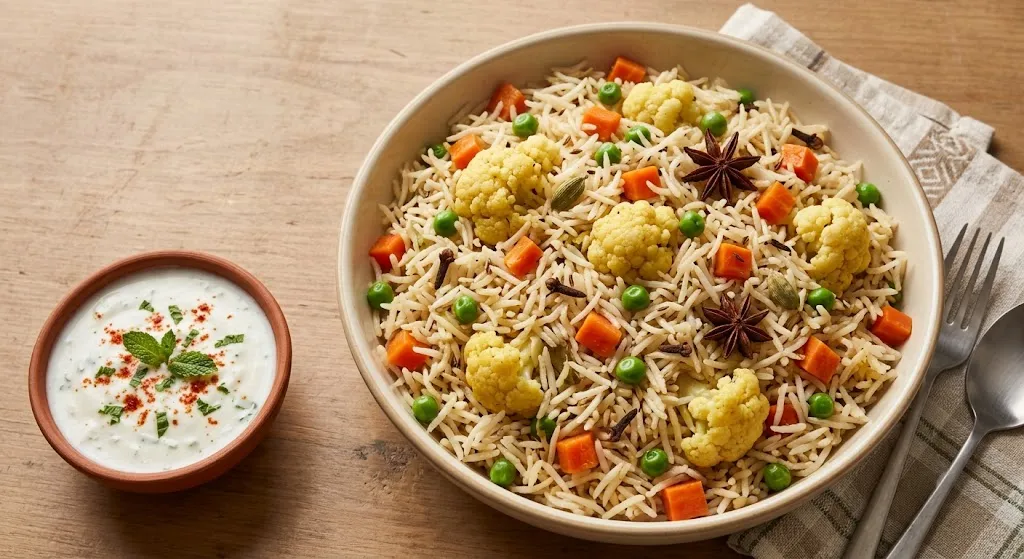
Day 2: Vegetable Pulao
After the intensity of biryani, pulao felt almost relaxed by comparison, and that contrast is exactly what made the difference between the two dishes click for me. Pulao is built around the rice and vegetables cooking together in one step, with a lighter hand on spicing, rather than biryani’s separate layers and final steam-sealed finish.
The result was good, comforting, straightforward, and noticeably less labor intensive. I understood, cooking it, why pulao is the dish people make on a regular weeknight and biryani is the dish people make for an occasion.
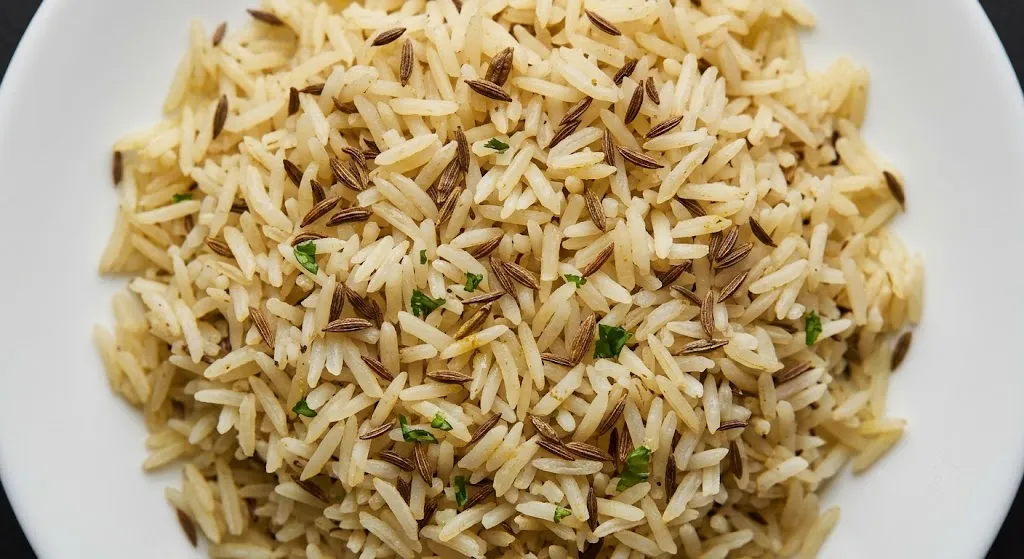
Day 3: Jeera Rice
This is the dish I went in most confident about, since it is about as simple as Indian rice gets, just rice, ghee, and roasted cumin seeds. I somehow still managed to slightly undercook the cumin, pulling it off the heat before it had properly bloomed in the ghee, which left the final dish tasting a little flat compared to what I know it should taste like.
It was a small mistake and an easy one to fix on a second attempt, but it was a useful reminder that a simple dish still has a technique to get right, and skipping that technique shows up immediately in the final flavor.
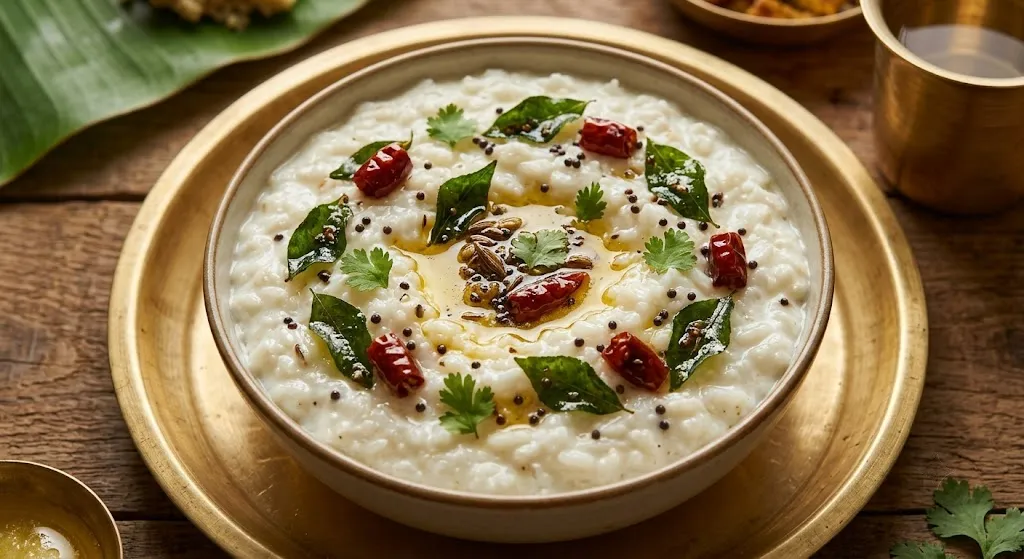
Day 4: Curd Rice
Curd rice was the first dish that fully depended on something I could not control precisely, which is the quality and tang of the curd itself. The curd I had on hand that day was fairly mild, which made for a gentler, creamier result than the sharper, more tangy version I remembered from South Indian meals growing up.
I am not entirely sure whether a more matured curd would have closed that gap completely or whether there is a specific ratio or resting time I was missing. What I can say honestly is that curd rice, done well, is far more comforting than its simplicity suggests, and I underestimated it going in.
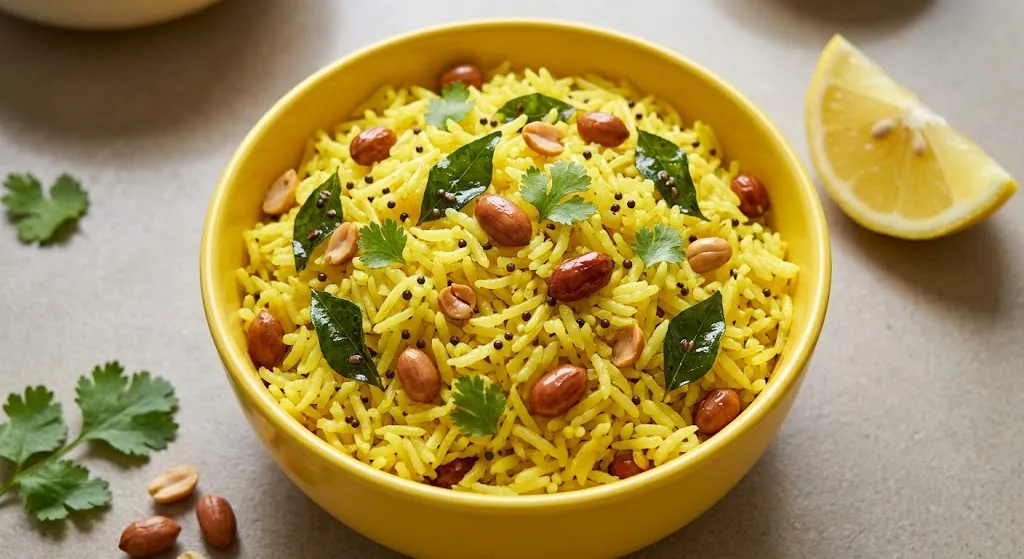
Day 5: Lemon Rice
Lemon rice came together faster than any other dish in the week, and the tempering of mustard seeds, curry leaves, and peanuts in oil before the lemon juice goes in is genuinely satisfying to listen to and smell. The sound of mustard seeds popping in hot oil is one of those small kitchen moments that never gets old no matter how many times I have heard it.
The final dish was bright, a little sharp from the lemon, and honestly one of the easiest wins of the entire week. If someone wanted one dish from this whole experiment to start with at home, this would be it.
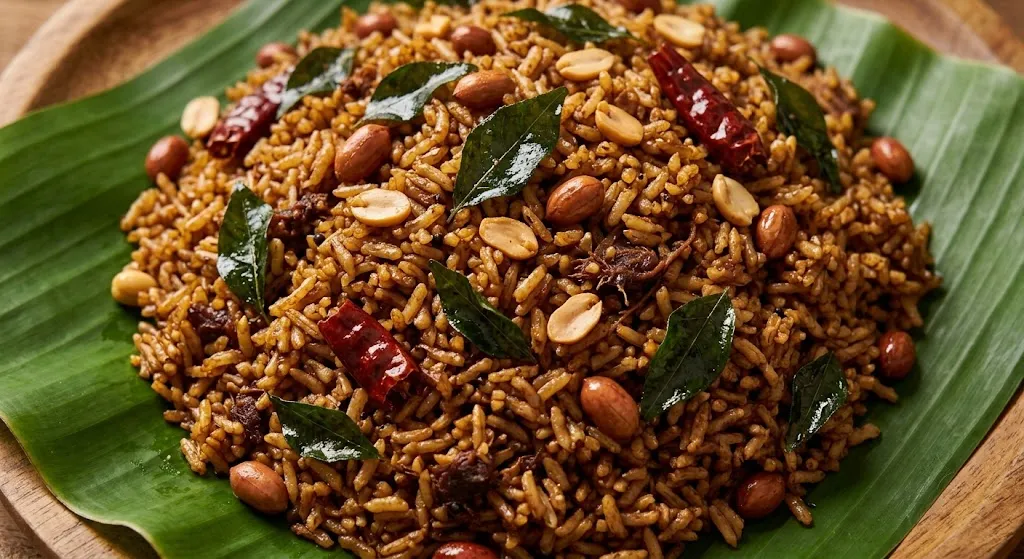
Day 6: Tamarind Rice
Tamarind rice was the dish I had the least prior experience with, and it showed. Balancing the tartness of the tamarind against the underlying sweetness that a lot of traditional recipes build in took more adjustment than I expected, and my first attempt came out noticeably too sour before I corrected it partway through cooking.
Once balanced, it was genuinely one of the most complex flavors of the entire week, layered in a way that plain jeera rice or lemon rice simply are not trying to be. It made a strong case for why so much of the wider conversation about Indian food’s complexity tends to focus on exactly this kind of layered sweet, sour, and spiced balance rather than heat alone.
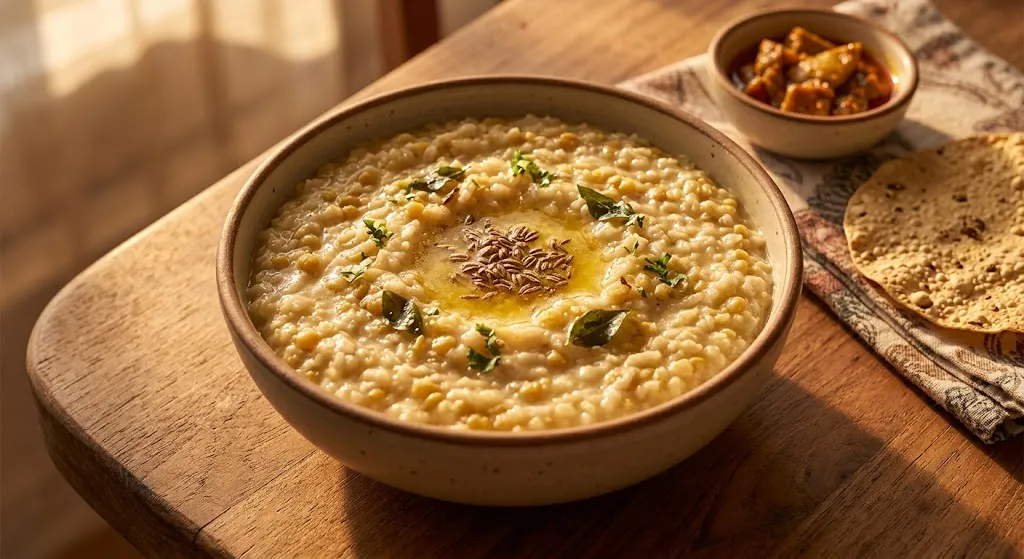
Day 7: Khichdi
I ended the week with khichdi on purpose, since it felt like the right dish to land on after six days of increasingly bold flavors. Khichdi is rice and lentils cooked together into something soft and mild, the kind of dish that shows up in Indian households specifically because it asks so little of the body and the cook.
By day seven, tired from a week of concentrated cooking, khichdi’s simplicity felt less like a limitation and more like the actual point of the dish. It was the one meal all week that felt like it was taking care of me rather than testing me.
Did It Work
Every dish came out recognizably itself, which was the real bar I had set for the week rather than restaurant-perfect execution on the first attempt. Biryani had the one scorched layer, jeera rice was slightly under-bloomed, and tamarind rice needed a mid-cook correction, but nothing across the seven days was a genuine failure. The clearest thing that came out of actually cooking all seven back to back, rather than eating them on separate unconnected occasions over years, is how differently each one treats rice as an ingredient. Biryani makes rice the vehicle for meat and spice. Khichdi makes rice the vehicle for comfort. Lemon rice and tamarind rice make rice the vehicle for a specific, punchy flavor profile that has almost nothing to do with the other five dishes on the list.
Was It Actually Worth a Full Week
Yes, without much hesitation, though I would not necessarily recommend doing all seven in seven consecutive days the way I did. The value was genuinely in the comparison, in cooking biryani on Monday and pulao on Tuesday and immediately feeling the difference in technique and intent rather than trying to recall it from separate memories. That side-by-side clarity is something you simply do not get eating these dishes months apart.
What I would not repeat is the pace. Seven intensive cooking days in a row, several of them involving multiple steps and long tempering processes, left me more tired by day six and seven than I expected, and I think that fatigue is part of why khichdi felt so specifically like relief rather than just another dish on the list.
What I Would Do Differently
If I did this again, I would spread it across two weeks instead of one, cooking three or four dishes per week rather than all seven back to back, so each dish got a fresher, less fatigued version of my attention. I would also make biryani twice, once early and once at the very end, specifically to see whether the mistakes from day one would have disappeared with the experience gained from the other six days.
I would also spend more time upfront actually tasting the curd I was using before starting curd rice, rather than discovering its mildness only once the dish was already assembled. Small preparation choices like that ended up mattering more than I expected across a week built around comparison.
The Bottom Line
Cooking every major Indian rice variety back to back in one week did what I actually wanted it to do, which was replace a vague, half-remembered sense of “Indian rice dishes are all kind of similar” with a real, specific understanding of how differently each one treats the same base ingredient. Biryani and khichdi are barely related once you have actually made both in the same week. I do not think I will ever eat any of these seven dishes again without noticing the specific technique behind it, which might be the most useful thing that came out of this whole experiment.
People Also Ask
What is the difference between biryani and pulao?
Biryani is built around layering partially cooked rice with marinated meat and finishing everything together in a sealed pot using steam, while pulao cooks rice and vegetables together in one step with a lighter hand on spicing. Biryani generally takes more time and technique, which is part of why it is treated as more of an occasion dish.
How many types of rice dishes does India actually have?
There are far more regional rice dishes across India than most lists cover, but seven that span different techniques and regions, biryani, pulao, jeera rice, curd rice, lemon rice, tamarind rice, and khichdi, give a genuinely representative sense of how differently rice gets treated across the country.
Is curd rice actually good, or is it just a filler dish?
Done well, curd rice is far more comforting and satisfying than its simple reputation suggests, and the quality and tang of the curd used makes a real, noticeable difference to the final result.
What is the easiest Indian rice dish to start cooking at home?
Lemon rice is one of the fastest and most forgiving of the seven I cooked, built around a quick tempering step of mustard seeds, curry leaves, and peanuts before lemon juice is added at the end.
Why does Indian food use so many different rice preparations?
A lot of it comes down to region, occasion, and what the rest of the meal needs from the rice, whether that is a mild base for spicy curries like khichdi or a standalone flavor-forward dish like tamarind rice. The pattern connects to a much wider story about how curry and rice traditions moved and adapted across different regions rather than staying fixed in one form.
If you grew up with a specific one of these dishes at home, or you think I got the technique wrong on any of them, tell me in the comments. I want to know which one you would have started with and whether your family’s version matches what I made.