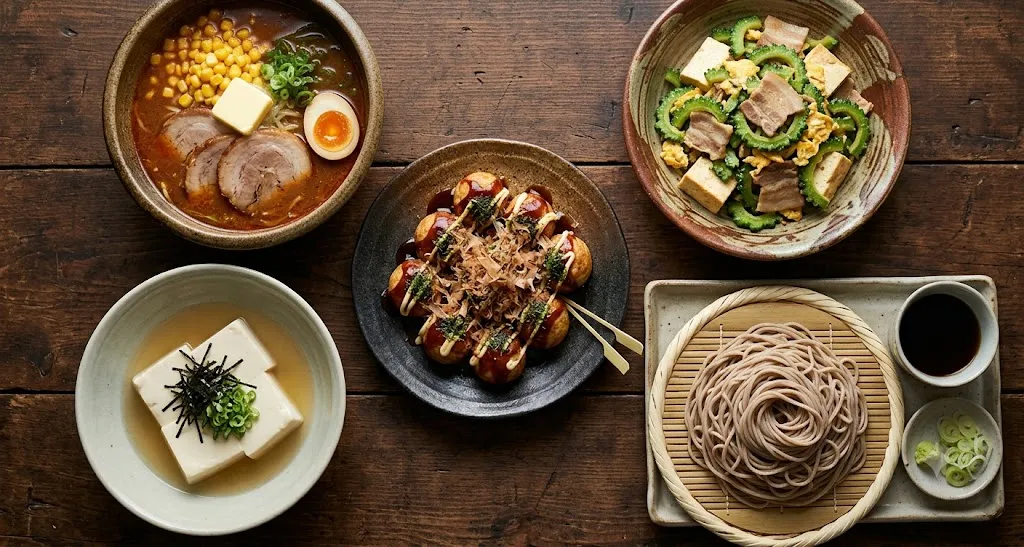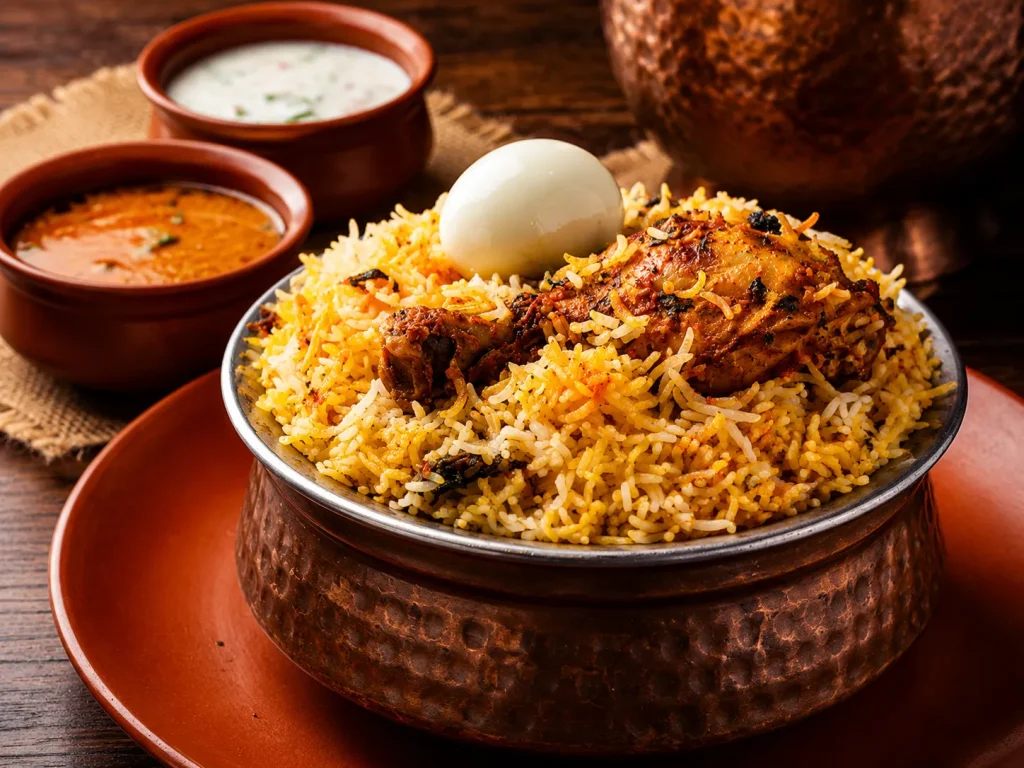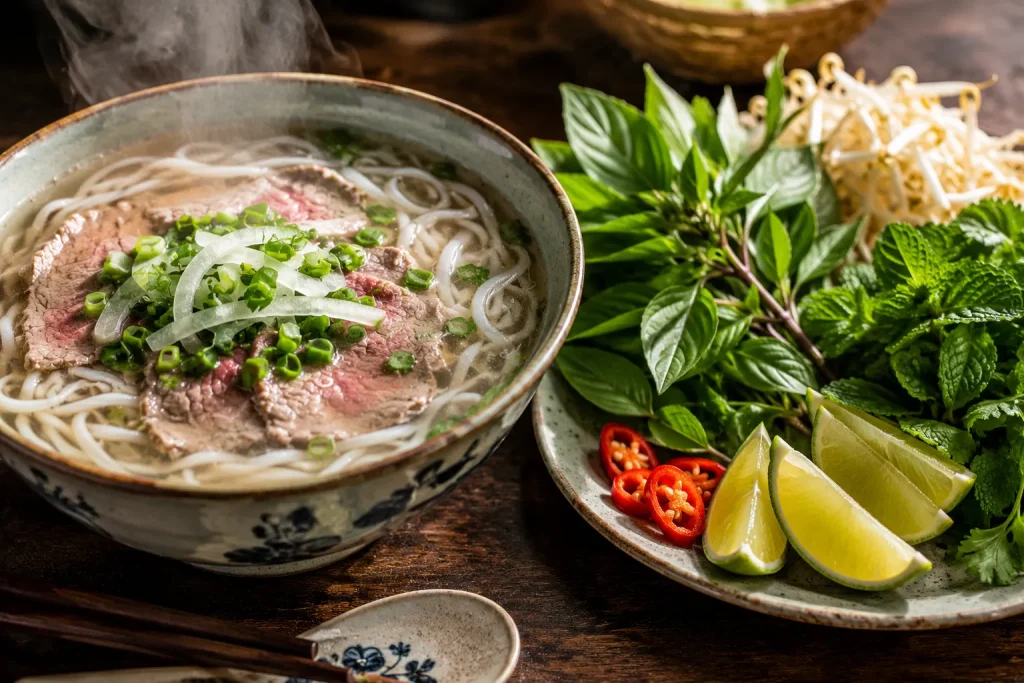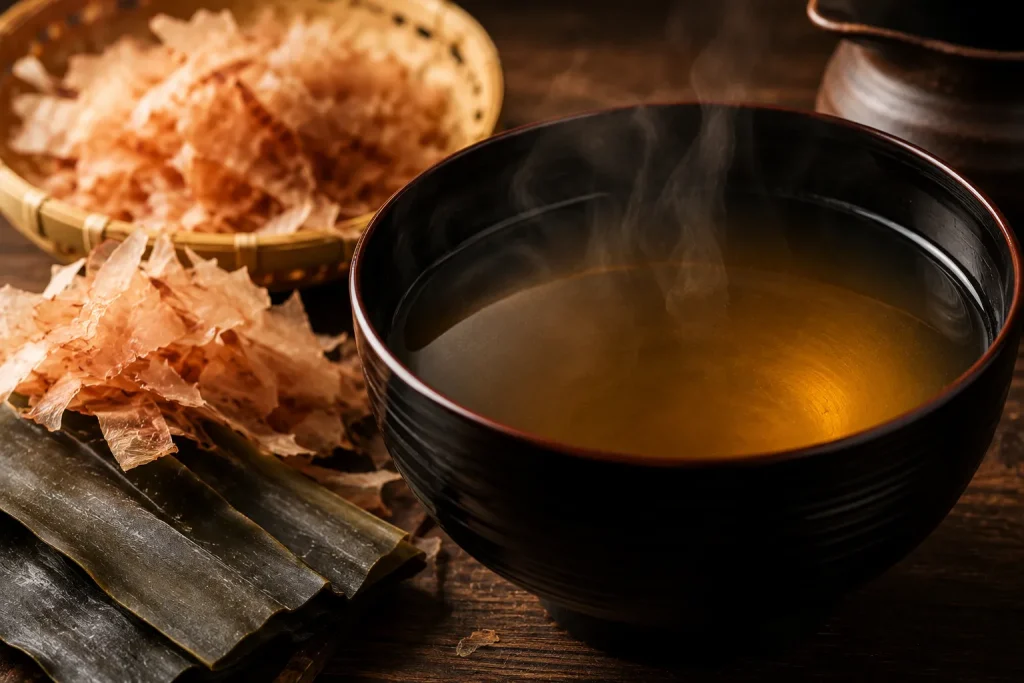
Thai cuisine doesn’t just happen to taste balanced — it is engineered to be balanced, one splash of fish sauce and squeeze of lime at a time. Every serious Thai cook tastes a dish not once but continuously, nudging sweet against sour, salty against spice, until no single flavor is winning. That process isn’t intuition. It’s a systematic flavor philosophy that most other cuisines simply never developed.
Most food cultures have a dominant note. French cooking leans on fat and salt. Indian cooking layers spice. Chinese cooking chases umami. Thai cooking does something stranger and harder: it tries to make all five tastes — sweet, sour, salty, spicy, and umami — show up simultaneously in a single bowl without any of them shouting. Understanding why that works, and why it’s genuinely difficult to pull off, is what makes Thai flavor so worth knowing about.
What Is Actually Happening on Your Tongue
- Thai cuisine builds every savory dish around five simultaneous tastes: sweet, sour, salty, spicy, and umami — and authentic Thai cooking requires all five to be present and proportional, not just present.
- No single flavor dominates. The goal isn’t “spicy with sweet notes.” It’s a dish where each flavor briefly takes the foreground before giving way to the next, creating a rolling sequence of sensation rather than a single impression.
- Fish sauce delivers both the salt and the umami in one ingredient, which is why Thai food achieves a depth that pure salt can never replicate.
- Tamarind provides a slower, rounder sourness than lime — its tartaric acid registers more gradually on taste receptors than the citric acid in lemons, giving Thai sauces a sustained acidity rather than a sharp sting.
- The balancing act is done by taste, not by recipe. Thai cooks adjust to the specific batch of fish sauce, the ripeness of the lime, the heat of the particular chilies — which is why the same dish can taste slightly different every time and still be perfectly balanced.
How Thailand’s Geography Made This Philosophy Inevitable
Thailand sits in the middle of Southeast Asia’s most productive agricultural belt. The central plains produce jasmine rice in enormous quantities. The rivers and coastline deliver fish and shellfish year-round. The tropical climate grows fresh herbs, citrus, galangal, lemongrass, and chilies with minimal effort. From the lush jungles of the north to the coastal regions in the south, Thailand’s geography shaped its culinary landscape with rice at the center, freshwater fish, herbs, and vegetables forming the early diet.
That abundance of fresh ingredients created a cuisine that had no reason to rely heavily on any single flavor. When you have lime trees in the yard, fish sauce fermenting in the back, fresh chilies on every market stall, and palm sugar from the palms outside, you cook with all of them. Balance wasn’t a philosophy someone invented — it was the natural result of having an embarrassment of flavor riches.
Then the trade routes arrived. As the Ayutthaya Kingdom (1350–1767) emerged as a major power in Southeast Asia, foreign emissaries and merchants brought new ingredients like chilies from the Americas via Portuguese traders, tomatoes, and peanuts — all of which eventually became staples of Thai cooking. Before the Portuguese arrived in 1511, Thai food had no chili heat at all. The spice that now seems inseparable from Thai cooking was adopted, absorbed, and balanced into the existing flavor system within a few generations.
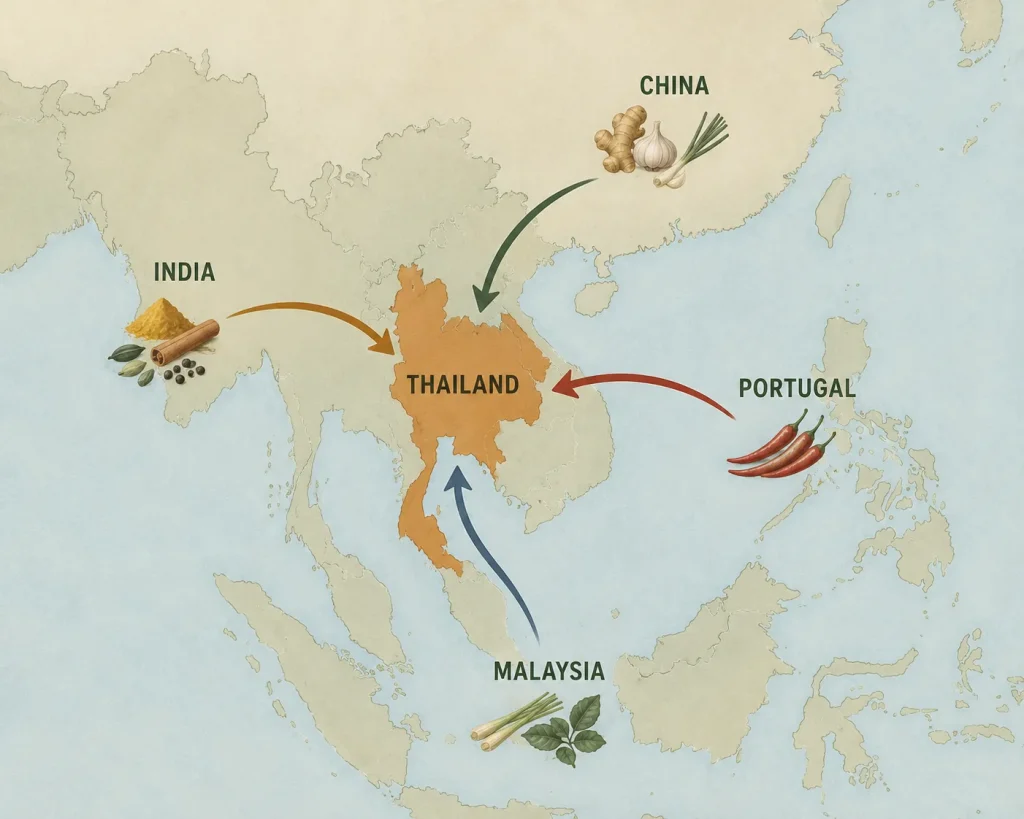
Thailand was the only Southeast Asian country never colonized by a Western power, which allowed it to cultivate its eating habits on its own terms. That independence matters for flavor. Thai cuisine absorbed Chinese noodles, Indian spices, Malay coconut techniques, and Portuguese chilies — but always on Thai terms, filtering each influence through the existing framework of balance rather than surrendering to it. The result is a cuisine that is simultaneously the most internationally influenced and the most distinctly itself in all of Southeast Asia.
The Chemistry Behind Why Thai Food Tastes Different From Everything Else
When you eat a bowl of tom yum or a plate of pad thai, your brain is processing five distinct chemical signals at the same time, and the reason it feels so satisfying rather than chaotic comes down to how those signals interact.
Sweetness (from palm sugar or coconut milk) triggers receptors that release dopamine — the same reward chemical that makes ripe fruit feel satisfying. Its job in a Thai dish is to soften the edges of everything aggressive around it. A dish that’s too spicy or too salty immediately feels more manageable when a small amount of sweetness enters the picture.
Sourness works through a different mechanism. Hydrogen ions from acidic foods bind to taste receptors, and controlled acidity enhances flavor complexity and brightens dishes. Tamarind, the primary souring agent in many Thai dishes, delivers its acidity through tartaric acid. Unlike citric acid, which delivers bright, sharp acidity, tartaric acid is slower to register on the tongue and leaves a longer, more rounded sourness with subtle astringency. This is why tamarind-based dishes feel deep and rich rather than sharp and abrasive.
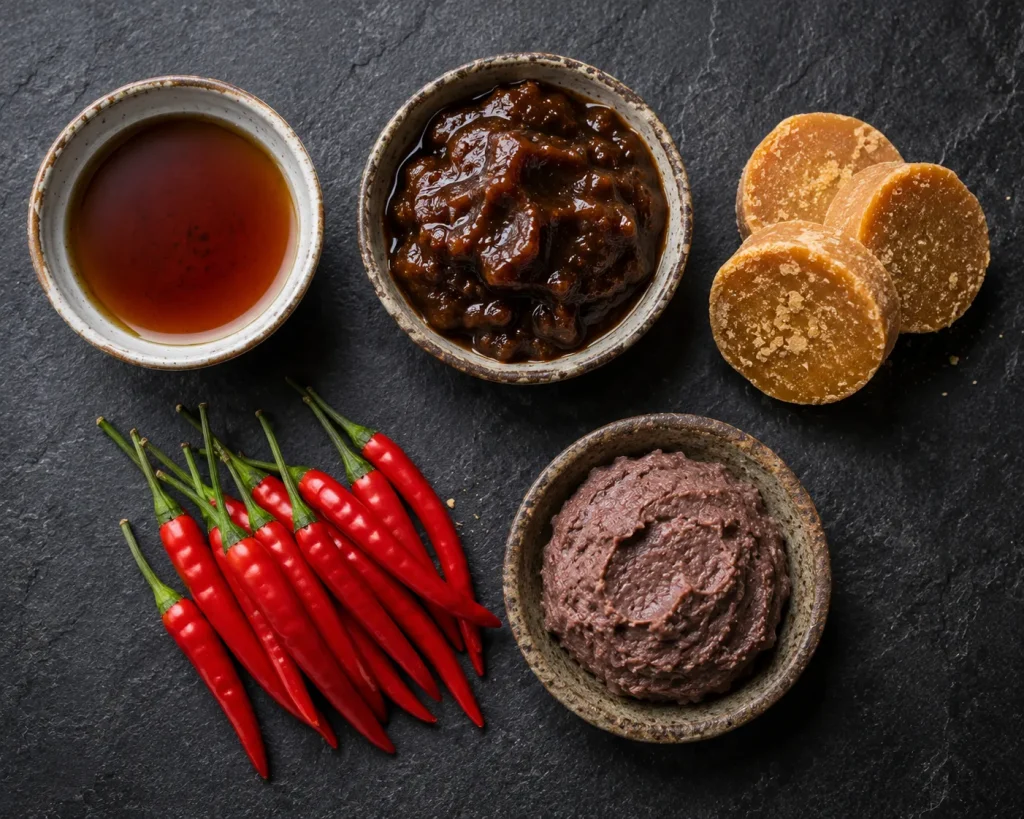
Umami — the savory depth signal triggered by glutamate, an amino acid — is where Thai cooking gets genuinely clever. The umami flavor in fish sauce is due to its glutamate content. Fish sauce delivers both salt and umami simultaneously, which means Thai food achieves a richness that cuisines relying on plain salt simply cannot match at the same ingredient volume.
Capsaicin, the compound responsible for chili heat, doesn’t actually activate taste receptors. Tasting and ingesting capsaicin activates regions of the insula known as the primary gustatory area, inducing physiological responses including perspiration, salivation, and cardiovascular activity. In plain terms: chili heat wakes the body up. It increases salivation, which means everything else in the dish registers more intensely. Thai cooking uses this as a tool — spice doesn’t just add heat, it amplifies the perception of every other flavor in the bowl.
When all five interact simultaneously, the brain doesn’t experience confusion. It experiences completeness. Every taste receptor is engaged, every neural pathway is firing, and the dish feels simultaneously exciting and satisfying rather than flat or overwhelming.
The Five Ingredients That Make Thai Balance Work
Fish Sauce Is Doing Two Jobs at Once
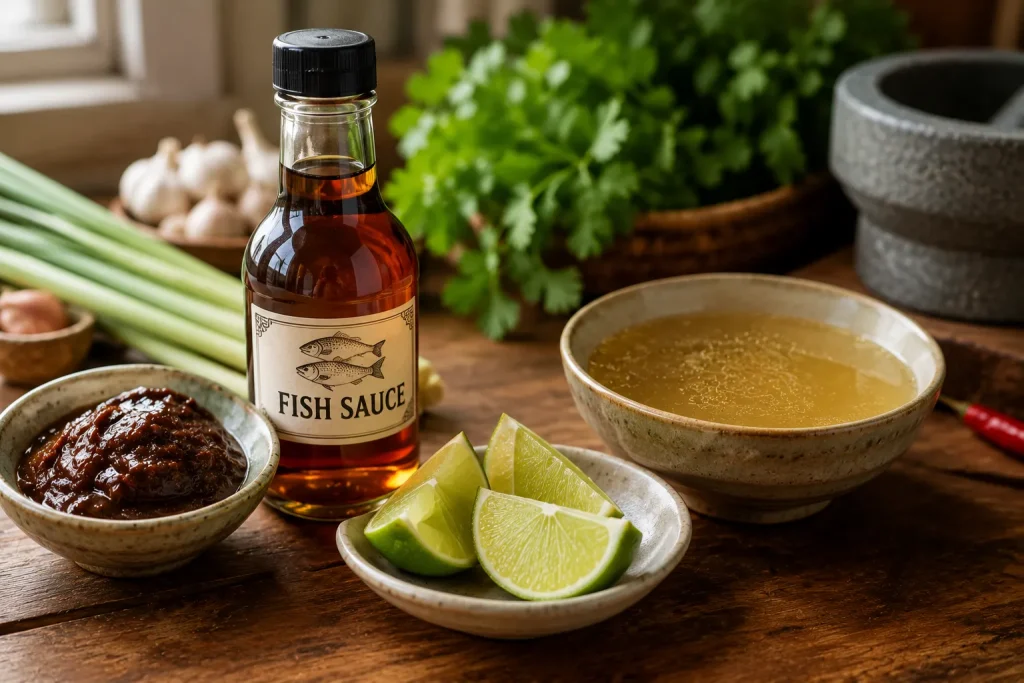
Fish sauce is the structural backbone of Thai savory cooking — and it’s doing something that no other single ingredient in world cuisine does quite as efficiently. It provides salt and umami from the same bottle. Glutamate occurs naturally at high levels in fermented products like fish sauce, acting as a natural flavor enhancer. The fermentation process breaks down fish proteins into free amino acids including glutamate, which gives fish sauce its characteristic depth that outlasts the initial salty hit. A Thai cook who grabs fish sauce isn’t just seasoning — they’re also building savory complexity that would otherwise require a separately prepared stock or broth.
Tamarind Provides the Sour That Stays
Tamarind is the reason Thai sauces have depth rather than brightness. Most cuisines use citrus as their primary acid — lime, lemon, vinegar. These deliver clean, sharp sourness that fades quickly. Tamarind works differently because its dominant acid is tartaric acid, which is slower to register on the tongue and leaves a longer, more rounded sourness with subtle astringency — this is why tamarind water doesn’t sting like lime juice, it coats, deepens, and balances. In pad thai, the tamarind in the sauce is still present on your palate after the heat from the chilies has subsided, giving the dish a long, layered finish. That’s not something lime alone can achieve.
Palm Sugar Isn’t There to Make Things Sweet
Palm sugar’s job in Thai cooking is suppression, not sweetness. It reduces the sharpness of fish sauce, rounds the acidity of tamarind, and cuts the aggressive heat of fresh chilies — all without making the dish taste sugary. Sweetness in Thai cooking acts as a counterpoint to spice, salt, and acidity rather than being sugary or overpowering, often coming from palm sugar, coconut milk, or caramelized onions. The reason this works is that sweet signals at lower concentrations don’t read as “dessert sweet” — they read as “balance.” A small amount of palm sugar in a savory dish doesn’t make it sweet; it makes it feel complete.
Shrimp Paste (Kapi) Is the Hidden Foundation
Shrimp paste is the ingredient most non-Thai cooks underestimate — and the one that contributes the most umami density below the surface. Commercial shrimp paste boasts an average amino-acid-nitrogen content of 1.22g/100g, twice that of fish sauce or soy sauce. That extraordinary concentration of free amino acids is why a small spoonful of kapi transforms a curry paste from a collection of aromatics into something with genuine depth. The fermentation process converts the shrimp proteins into pure flavor compounds, meaning the paste contains far more savory intensity per gram than the raw ingredients ever could. It smells alarming. It tastes essential.
Fresh Herbs Close the Loop
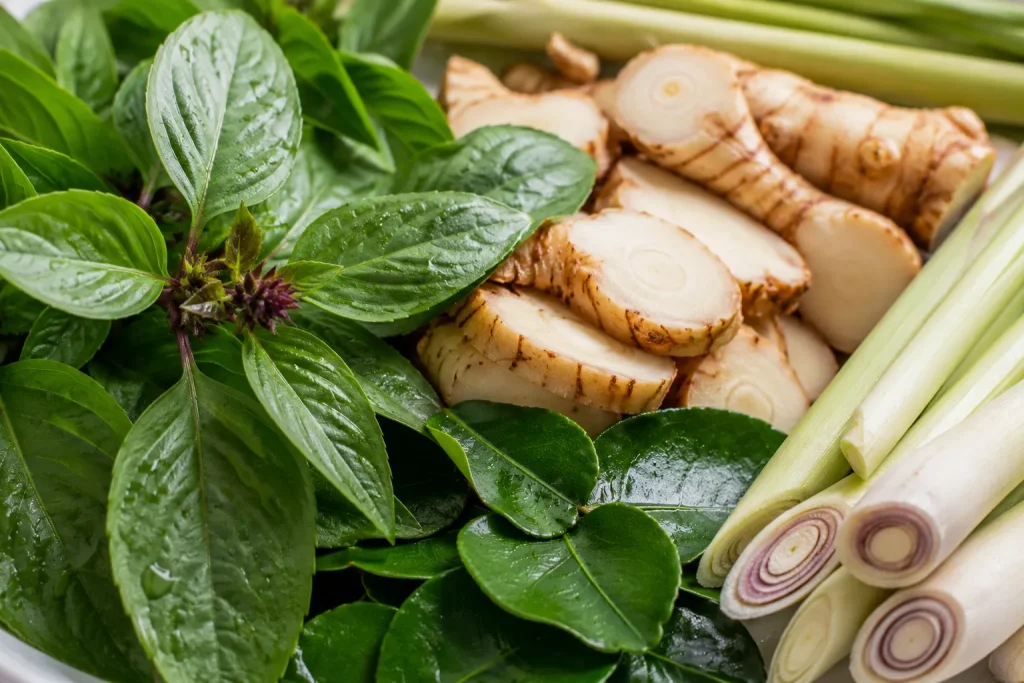
Thai cooking uses fresh herbs not as garnish but as a fifth flavor dimension. Lemongrass, kaffir lime leaves, galangal, Thai basil, and fresh cilantro contribute volatile aromatic compounds that interact with olfactory receptors, not taste buds — meaning they add flavor through smell rather than through the tongue. Since the vast majority of what we experience as “flavor” is actually aroma, fresh herbs in Thai cooking are doing structural flavor work that the five core tastes alone cannot accomplish. Removing the kaffir lime leaves from a green curry doesn’t reduce the flavor — it changes the entire character of the dish.
Thai Flavor Balance Compared to How Other Cuisines Handle the Same Challenge
| Cuisine | Primary Sour Source | Primary Salt/Umami Source | Primary Sweet | Spice Approach | Balance Philosophy |
|---|---|---|---|---|---|
| Thai | Tamarind, lime | Fish sauce, shrimp paste | Palm sugar, coconut milk | Chili fresh + dried | All five flavors simultaneous |
| Vietnamese | Lime, vinegar | Fish sauce | Minimal | Fresh chili, black pepper | Bright, herb-forward, lighter |
| Indian | Tamarind, amchur | Salt, fermented condiments | Jaggery | Spice blends layered | Spice complexity first, balance secondary |
| Chinese | Vinegar, fermented black bean | Soy sauce, MSG | Sugar | Minimal in most regions | Umami-forward, regional variation wide |
| Mexican | Lime, tomatillo | Salt | Agave, fruit | Dried chili depth | Heat and acid primary, sweet support |
| Japanese | Rice vinegar | Soy sauce, dashi | Mirin, sugar | Wasabi, mild | Umami primary, extreme restraint |
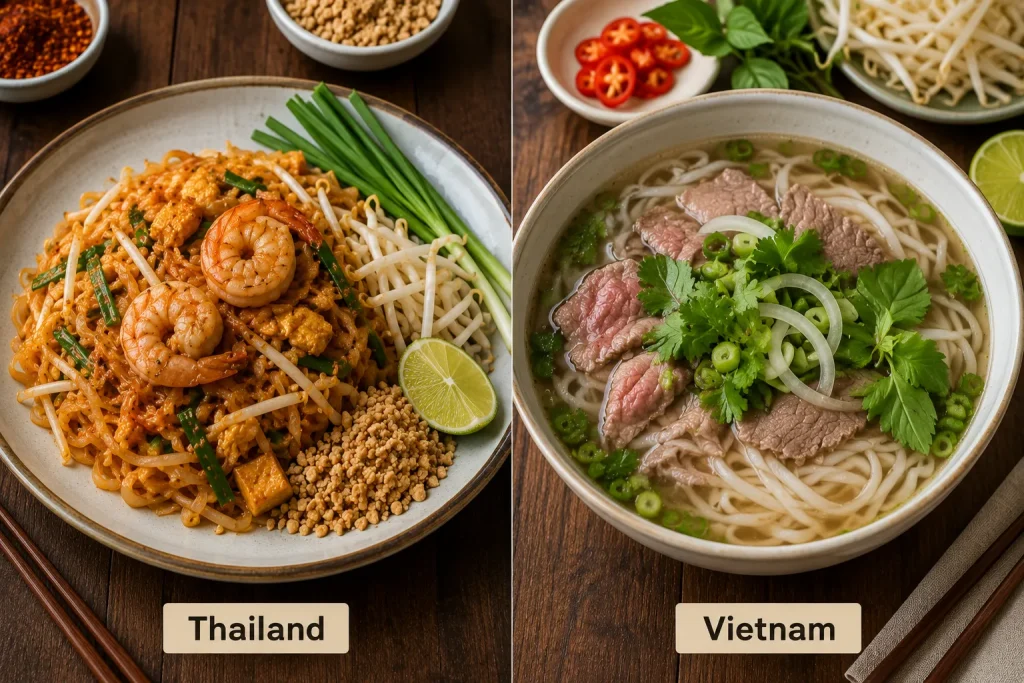
The comparison reveals something instructive. Vietnamese cuisine shares many ingredients with Thai but prioritizes brightness and freshness over depth — the flavor balance leans forward rather than sitting still. Indian cuisine uses tamarind and jaggery in similar proportions but typically in service of a dominant spice profile rather than as equals at the table. Japanese cuisine achieves extraordinary umami depth but does so through subtraction and restraint, not simultaneous layering.
One can speak of Chinese heritage in that Thai dishes are based on five fundamental tastes — salty, sweet, sour, bitter, and hot — while from nearby India came not only Buddhism but also fragrant spices like cumin, cardamom, and coriander. Thai cuisine absorbed both influences and then systematized them into something neither Chinese nor Indian cooking ever quite arrived at: the formal expectation that every dish achieves balance across all five tastes, every time.
What Understanding This Changes in Your Kitchen
The single most transferable lesson from Thai flavor philosophy is this: salt doesn’t fix a flat dish — umami does. When a soup or sauce tastes dull, the instinct in most Western kitchens is to add more salt. Thai cooking suggests asking a different question: is there enough depth? A splash of fish sauce in a Western chicken soup, a pasta sauce, or a braised meat dish adds glutamate-driven umami that salt alone cannot replicate. You won’t taste fish. You’ll taste a dish that finally has a backbone.
The second lesson is acid timing. Thai cooking uses both tamarind (slow, rounded sourness) and lime (bright, sharp sourness) in the same cuisine because they do different things at different moments in a dish. If your cooking tastes flat at the end, lime brightens it. If it tastes one-dimensional throughout, tamarind deepens it. These aren’t interchangeable.
The third lesson is the most practical: taste in sequence, not all at once. Thai cooks evaluate a dish by tasting it and asking, in order: is it salty enough? Is there enough acid? Is there sweetness to soften? Is the heat correct? That sequential check is faster and more precise than just tasting and adding more of whatever’s in your hand.
Next time you eat pad thai, try tasting one element at a time. Notice the tamarind’s rounded sourness first, then the fish sauce’s savory depth, then the palm sugar barely holding the heat at bay. That progression isn’t accidental. Someone tasted it four times and adjusted until it ran in exactly that order.
The Regional Variations That Complicate the Story
Thai food is not one thing. The balance principle is real, but which five flavors get prioritized shifts dramatically by region.
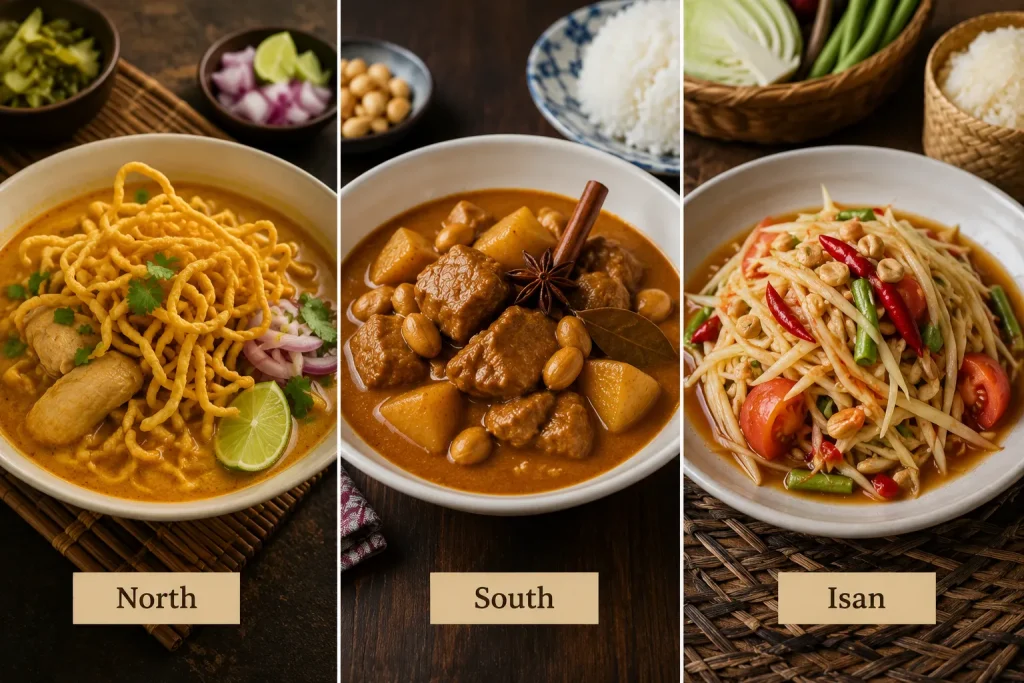
Northern Thai cuisine (Chiang Mai and surrounding areas) was strongly influenced by Burmese and Yunnan Chinese cooking. Dishes here are less sweet, less coconut-heavy, and often more bitter — ingredients like bitter melon and neem leaves appear regularly. The Khao Soi of the north, a curry noodle soup with Burmese roots, uses less lime and fish sauce than central Thai preparations and leans more on dried spices. Balance is still the goal, but the flavor palette starts in a different place.
Southern Thai cuisine sits close to Malaysia and uses more turmeric, fresh galangal, and coconut milk than anywhere else in the country. The spice levels run significantly hotter, the sourness tends to come from local sour fruits rather than tamarind, and the Muslim south adds further layers of Indian and Malay influence through dishes like massaman and satay. In some foods sweetness dominates — the thick, sweet, coconut cream-based curries made with pork, chicken, or beef — while others put the stress on chili heat. The south puts the stress on heat.
Northeastern Thai cuisine (Isan) reflects its Lao and Khmer roots with a flavor profile that’s funkier, more fermented, and more aggressively sour than central Thai cooking. Fermented fish (plara) replaces fish sauce as the primary umami-salt source, creating a deeper, earthier base. Larb and som tum in their Isan versions are harder, rawer, and less restrained than their Bangkok counterparts. It’s the same philosophy, pushed further.
The Bottom Line
Thai cuisine’s balance isn’t a happy accident of geography or a cultural value that happened to produce good food. It’s a systematic flavor methodology that requires real skill to execute — the ability to taste across five dimensions simultaneously and adjust each one without disrupting the others. That’s harder than it sounds, which is why pad thai made outside Thailand so often tastes like something’s missing. Something is. Usually three things.
When you eat Thai food now, you’re not eating a spicy dish with some sweetness. You’re eating a dish where someone made a series of deliberate decisions about how much tamarind offsets how much fish sauce, how much palm sugar keeps the chili from taking over, and whether the fresh lime at the end is bringing brightness or just sharpness. The fact that it tastes effortless is the point. That effortlessness took centuries to build.
People Also Ask
Why does thai food taste so balanced even when it’s really spicy?
Because spice and balance aren’t opposites in Thai cooking — they’re designed to coexist. Capsaicin (the compound in chili peppers that creates heat) doesn’t compete with the other four tastes; it amplifies them by increasing salivation and activating sensory pathways more broadly. Thai cooks match chili heat with palm sugar to soften it, fish sauce to deepen the savory base beneath it, and tamarind to provide a sustained sour note that outlasts the heat. The spice feels intense because it’s meant to. But it never feels out of control because the other four flavors are there to contain it.
What is the secret ingredient in thai cooking that makes it taste so different?
Fish sauce is the single ingredient that most separates Thai flavor from Western cooking. It provides salt and umami simultaneously through its glutamate content — the result of fermenting small fish for months until the proteins break down into free amino acids. This gives Thai dishes a savory depth that pure salt cannot replicate. Most Western recipes that taste close to Thai but not quite right are missing the fish sauce’s umami backbone, often replaced by salt alone, which seasons but doesn’t deepen.
Why does thai food taste better at restaurants than at home?
Usually because of two things: cooking temperature and tasting frequency. Thai restaurant wok cooking reaches temperatures that home stoves rarely achieve, creating Maillard reactions (the browning of sugars and proteins under high heat) that add roasted, complex flavors impossible to replicate at lower heat. The second reason is that professional Thai cooks taste and adjust continuously — adding a splash here, a pinch there — rather than following a recipe to the letter. Home cooks tend to trust the recipe over their palate, which is the opposite of how Thai cooking is taught.
Is thai food actually sweet? It doesn’t seem like a sweet cuisine.
Thai food uses sweetness as a balancing tool rather than a flavor feature, which is why it doesn’t read as a “sweet cuisine” even though palm sugar and coconut milk appear in dozens of dishes. At the concentrations used in savory Thai cooking, sweetness functions as a suppressor — it reduces the perceived sharpness of fish sauce and the aggressive edge of fresh chilies without making the dish taste like dessert. You notice when it’s missing (the dish tastes harsh or one-dimensional) more than you notice when it’s there.
Why does thai food use so many fresh herbs compared to other asian cuisines?
Fresh herbs in Thai cooking are delivering flavor through aroma rather than taste — and most of what we experience as “flavor” is actually olfactory, not tongue-based. Lemongrass, kaffir lime leaves, galangal, and fresh Thai basil contribute volatile aromatic compounds that interact with smell receptors in the nose, adding a dimension of flavor that the five core tastes simply can’t provide. Thai cuisine uses fresh herbs more aggressively than, say, Chinese or Japanese cooking partly because of tropical growing conditions that make these aromatics available year-round, and partly because the cuisine evolved to treat aroma as a sixth flavor pillar.
What makes thai food different from other southeast asian cuisines?
The defining difference is the formal expectation of simultaneous five-flavor balance in a single dish. Vietnamese cuisine shares many ingredients but prioritizes brightness and freshness, leaning more heavily on acid and herbs. Indonesian cuisine emphasizes spice complexity and fermented depth without the same systematic sweet-sour-salt balancing. Thai cooking treats all five tastes as equal partners in every dish — not one dominant flavor with supporting notes, but genuine equilibrium. That expectation runs from street food to royal cuisine and is the organizing principle behind how every Thai cook evaluates a dish before serving it.
Does the spiciness in thai food serve a purpose beyond just heat?
Yes — capsaicin, the compound in Thai chilies, increases salivation and activates sensory pathways more broadly, which means it makes every other flavor in the dish register more intensely. In a well-balanced Thai dish, spice functions as a flavor amplifier, not just a heat source. It also creates contrast: the momentary intensity of chili heat makes the subsequent wave of sweetness and sourness feel more pronounced by comparison. Thai cooking uses this contrast deliberately, which is why a dish that seems too spicy on first bite often reveals more complexity as you keep eating.
Sources and References
The scientific and historical claims in this article draw on the following verified sources. Search for them directly rather than following any URL — food science citations frequently move between journal platforms.
- Rolls, E.T. (2006). Brain mechanisms underlying flavour and appetite. Philosophical Transactions of the Royal Society B. Available at PubMed Central
- Imaizumi, M. et al. (2015). The brain mechanisms underlying the perception of pungent taste of capsaicin and the subsequent autonomic responses. Frontiers in Human Neuroscience. Available at PubMed Central
- Hajeb, P. & Jinap, S. (2013). Fermented Shrimp Products as Source of Umami in Southeast Asia. Journal of Nutrition and Food Sciences. Available at Longdom Publishing
- ScienceDirect. Tamarind — Tartaric acid and sugar content overview. Available at ScienceDirect Topics
- Chaudhari, N., Landin, A.M., and Roper, S.D. (2000). A metabotropic glutamate receptor variant functions as a taste receptor. Nature Neuroscience, 3(2): 113–9. Referenced in Tandfonline umami review
- Wikipedia contributors. Thai cuisine. Wikipedia. Available at Wikipedia